
Blog Archive
September 6, 2026
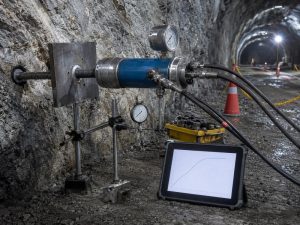
A rock bolt pull out test procedure applies a controlled axial load to an installed bolt or anchor while recording movement. Engineers use the result to check installation quality, bond behavior, proof-load response, or ultimate resistance, depending on the test type. The test is only
Read More
September 3, 2026
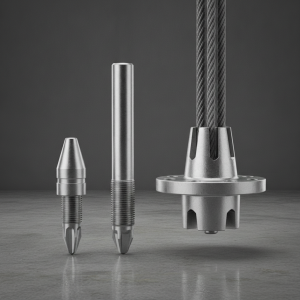
The rock bolt vs rock anchor decision starts with the load path. A rock bolt reinforces the rock mass around an excavation, while a prestressed rock anchor transfers a structural tensile load through a free length to a bonded zone in competent ground. The terms
Read More
September 3, 2026
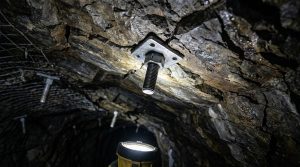
A safe rock bolt installation procedure uses six controlled steps: inspect and scale the face, mark the pattern, drill and clean each borehole, install the specified bolt, tension it, and verify capacity. Each step controls a different failure mode. The documented rock bolt installation procedure
Read More
September 2, 2026
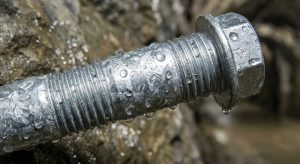
In practice, a hollow rock bolt combines drilling, flushing, grouting, and anchoring in one threaded steel bar. It is used where fractured rock, running ground, weathered shale, gravel, or groundwater can collapse a pre-drilled hole before a conventional bolt is inserted. The hollow rock bolt
Read More
August 26, 2026
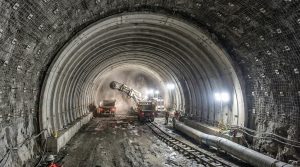
What is rock bolting in construction? Rock bolting in construction is a specialized geotechnical stabilization technique that reinforces unstable geological strata by anchoring high-strength steel rods deep into rock masses. If you manage an active tunneling project, open-pit mine, or steep highway excavation, you frequently
Read More
August 26, 2026
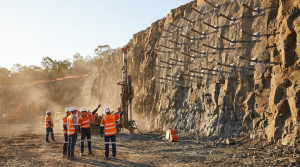
Rock bolts are long, high-strength reinforcing steel rods designed to stabilize underground excavations by transferring tension from unstable outer strata to deeper, consolidated rock masses. When working in underground mining or tunneling, loose, shifting geological formations pose a constant threat of sudden collapse, risking both
Read More
August 26, 2026
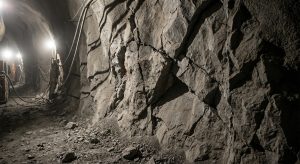
Why Does Ground Stability Matter in Construction? The primary difference between a rock bolt and a rock anchor is that a rock bolt is a shorter, active reinforcement system designed to stabilize localized fractured rock mass, whereas a rock anchor is a longer, high-capacity system
Read More
August 26, 2026
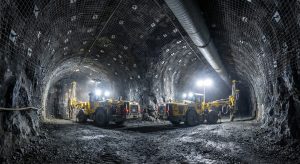
A tunnel rock bolt is a high-tensile steel reinforcing rod specifically designed to stabilize underground excavations by anchoring fractured or weak rock strata back into a competent rock mass. In modern tunneling and underground mining, ground instability and structural failures represent major geotechnical hazards that
Read More
August 23, 2026
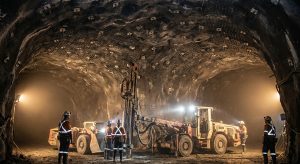
Slotted friction stabilizer-style friction rock bolts work by utilizing a high-strength steel tube slotted along its length that is driven into a slightly smaller borehole, generating immediate, full-length radial friction against the surrounding rock mass. Underground mining and civil tunneling operations face constant, unpredictable shifts
Read More