
Blog Archive
October 3, 2026
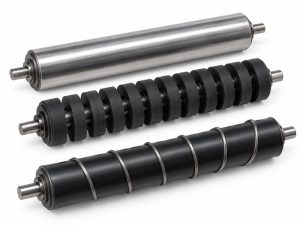
Compare plain steel, disc and spiral return rollers by belt contact, material buildup, direction limits and complete assembly construction.
Read More
October 3, 2026
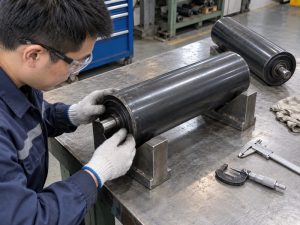
Follow a safe inspection route, clear carryback, inspect return roller surfaces and mounts, then verify fit and guarding before release.
Read More
October 3, 2026
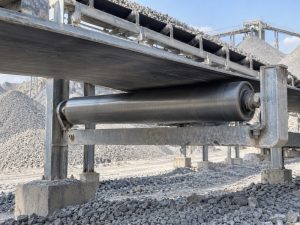
Match return roller construction with belt geometry, carryback behavior, moisture and cleaning conditions before approving a replacement.
Read More
October 3, 2026
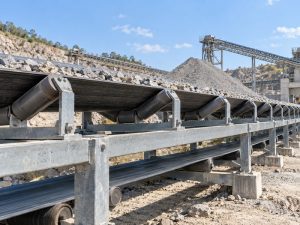
Collect belt load, tension, sag and station geometry before changing conveyor idler spacing. Loading zones and pulley transitions need separate review.
Read More
October 3, 2026
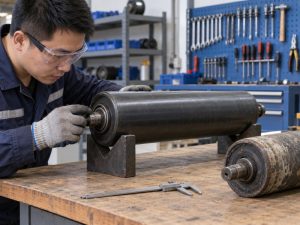
Use safe observation and isolated checks to identify carrying idler wear, roller resistance and mounting faults before planning complete repairs.
Read More
October 3, 2026
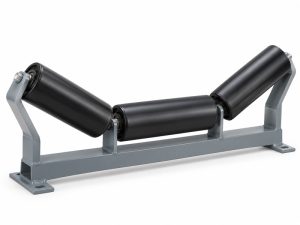
Check carrying roller load, mounting fit, bearings, seals and shell condition before approving replacements for your bulk belt conveyor.
Read More
September 12, 2026
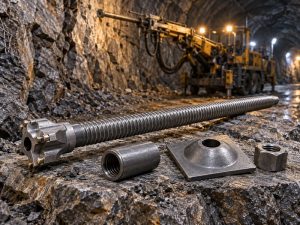
A practical guide to self-drilling rock bolt components, installation, applications, ground selection, grout, corrosion protection, and supplier review.
Read More
September 6, 2026
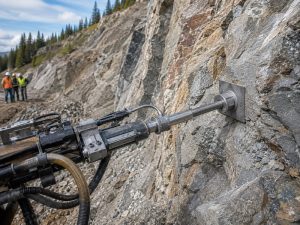
A self-drilling rock bolt combines the drill string, load-bearing tendon, and grout conduit in one permanent element. It is especially useful when a conventional borehole would collapse before a solid bar could be inserted. However, the system only performs as designed when the bar, bit,
Read More
September 6, 2026
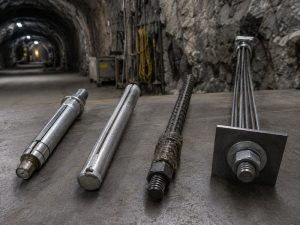
The main rock bolt types differ in how they develop load: mechanical bolts grip at a point, friction stabilizers press against the borehole wall, grouted bars bond along their length, and yielding bolts accommodate controlled movement. Rock anchors usually serve a different purpose. They carry
Read More