What Is a Return Roller
The key supporting component for the return side of a belt conveyor system
Belt Conveyor Return Side Position
A return roller is installed on the return side (non-loaded side) of a belt conveyor. It supports the empty belt after material discharge, reduces running resistance, maintains belt stability, and ensures smooth operation in mining, ports, cement plants, power plants, and bulk material handling systems.
Core Highlight: Return Roller is installed on return side to support empty belt.
Support the Empty Belt
Prevents return side sagging and deformation under heavy operations.
Reduce Running Resistance
Minimizes friction loss, significantly increasing system conveying efficiency.
Maintain Belt Alignment
Ensures stable operation while reducing the risk of belt tracking deviation.
Improve Conveyor Lifespan
Protects the system by reducing overall wear and mechanical system load.
Return rollers are essential components ensuring stable and efficient operation of conveyor return systems.
Learn More About Roller FunctionsWhy Return Rollers Matter
Why return rollers determine conveyor system stability and long-term performance
Return rollers directly influence belt stability, running resistance, alignment accuracy and overall conveyor reliability. Poor-quality or mismatched return rollers can cause belt deviation, higher energy consumption, abnormal wear and unexpected downtime in heavy-duty conveyor systems.
1. Belt Stability
Poor roller rotation causes belt vibration and deviation during high-speed return.
2. Running Resistance
High friction increases power consumption and total system mechanical load.
3. Belt Service Life
Uneven support accelerates belt wear and critical edge damage.
4. Conveyor Efficiency
Unstable return side reduces overall conveying volume and operational efficiency.
5. Downtime Risk
Bearing failure or roller jamming may cause sudden and costly system shutdown.
Return rollers play a critical role in maintaining conveyor stability, reducing energy loss, and preventing system failure.
Optimize Your Return System NowFeatured Return Roller Products
6 Core Return Roller Types for Conveyor Return System Applications
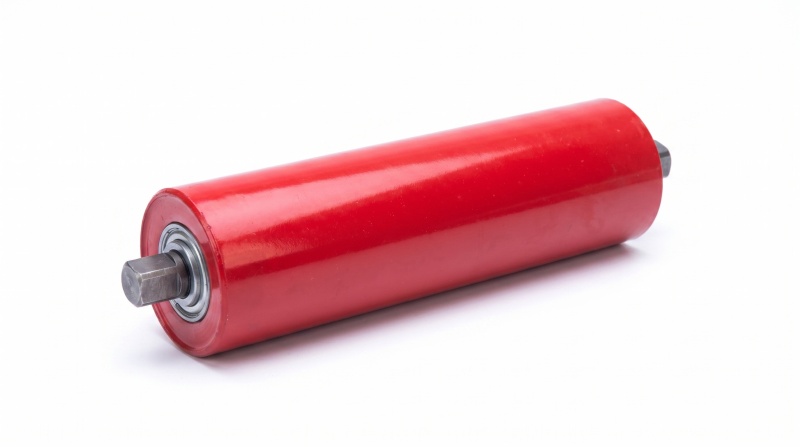
Standard Parallel Return Roller
The most common return roller type, designed to support the empty belt smoothly on the return side of the conveyor.
View Details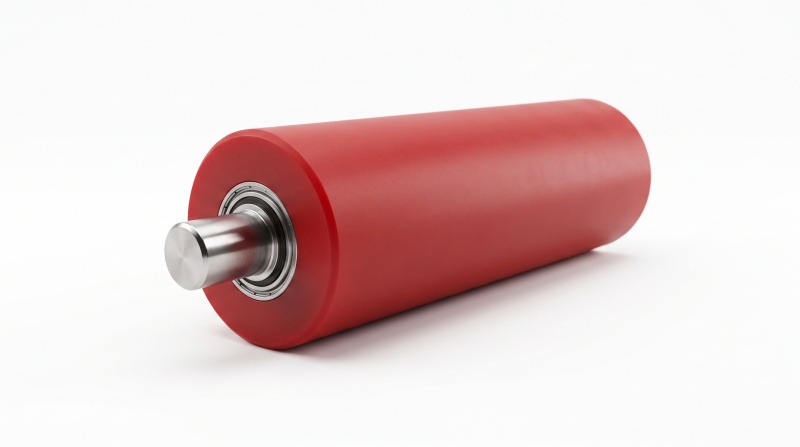
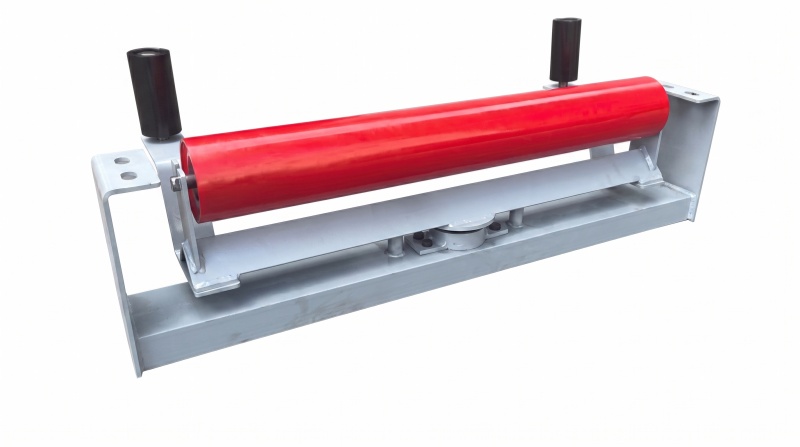
V-Return Roller
Designed with a V-shaped structure to help center the belt and improve return side stability.
View Details
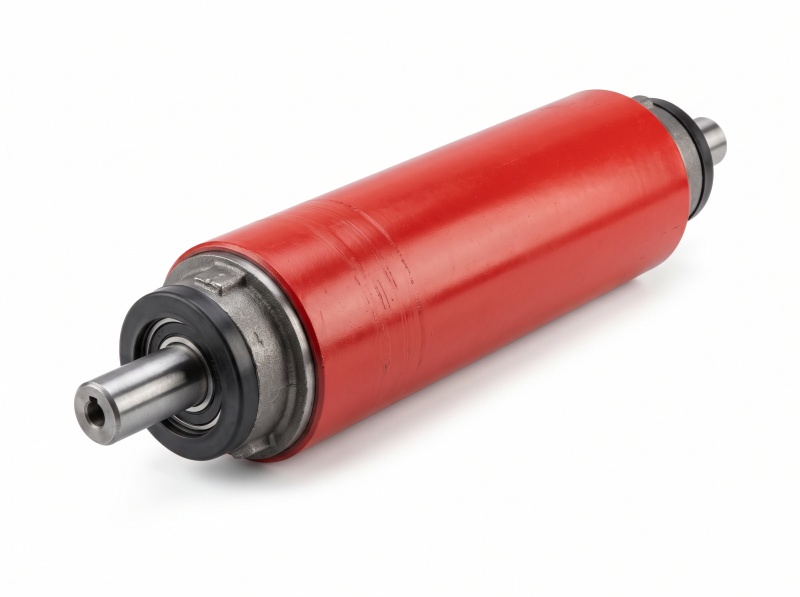
Self-Aligning Return Roller
Used to automatically correct belt deviation and keep the return belt running in the correct path.
View Details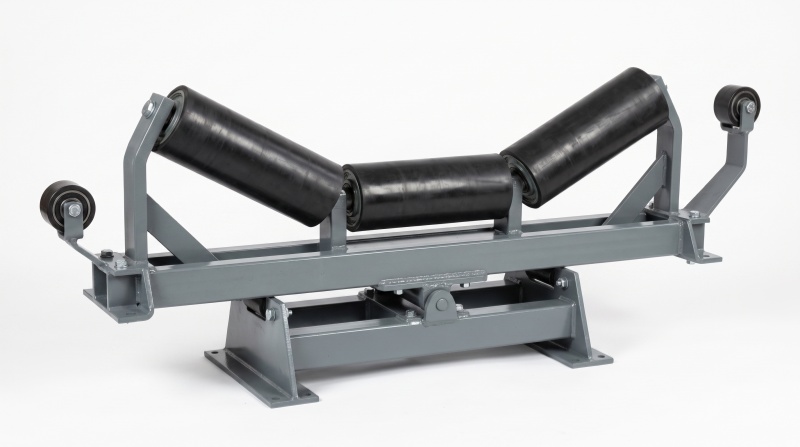
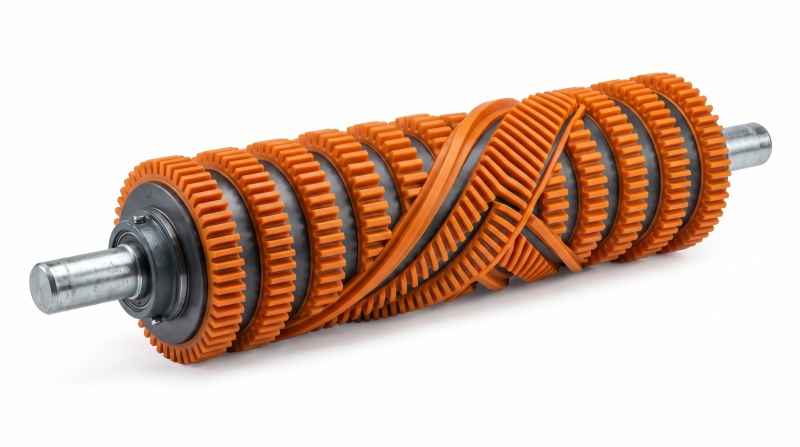
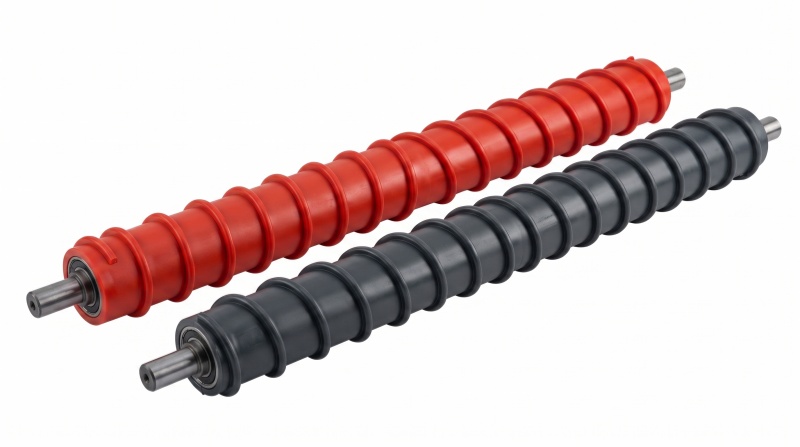
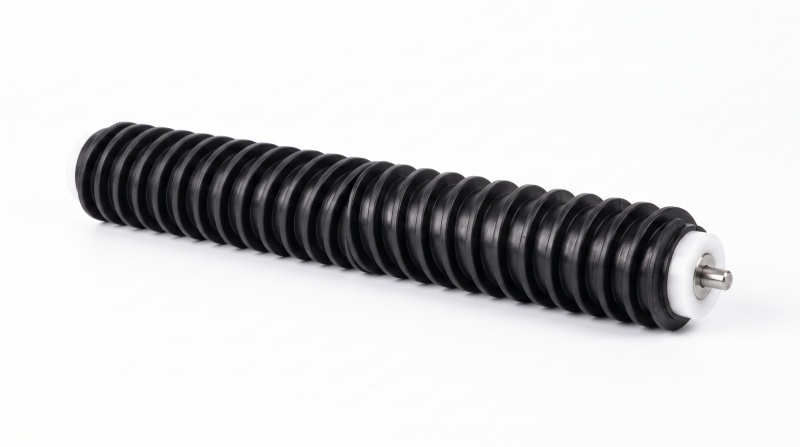
Spiral Return Roller
Designed with spiral rings to help remove sticky material from the belt and reduce build-up.
View Details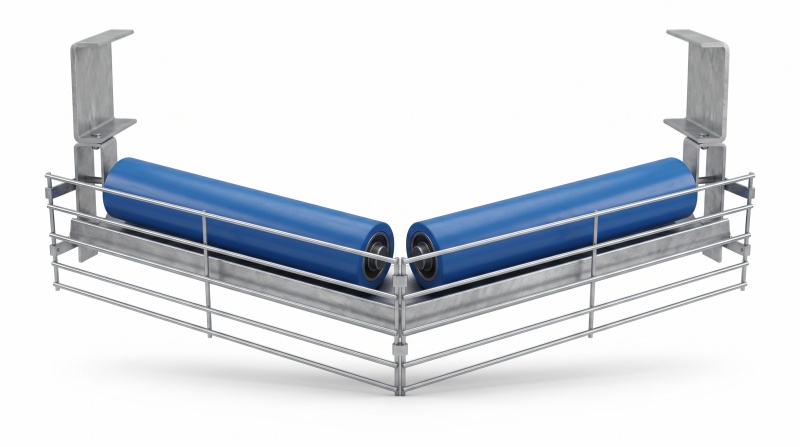
Rubber Disc / Comb Return Roller
Designed to reduce material build-up and improve self-cleaning performance on return side applications.
View Details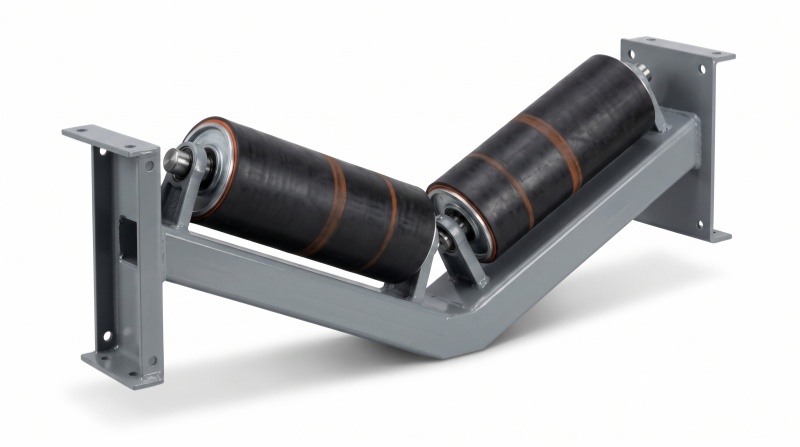
Polymer / Corrosion-Resistant
Used for corrosive or humid environments where lightweight, corrosion resistance and reliability are required.
View DetailsReturn Roller Functions & Working Principle
How return rollers support, stabilize and reduce resistance in conveyor return systems
1. Belt Support Function
Return rollers provide continuous support to the empty belt, preventing excessive sagging and structural deformation during return travel.
2. Resistance Reduction
Smooth roller rotation replaces sliding friction with rolling friction, significantly reducing energy consumption and system wear.
3. Anti-Deviation Function
Strategic roller arrangement and specialized structures help maintain belt tracking stability, preventing costly downtime due to misalignment.
Working Principle: From Friction to Flow
Discharge Point
The belt leaves the discharge point and enters the return side.
Contact & Support
The belt contacts return rollers along the engineered return path.
Rolling Rotation
Rollers rotate freely to replace sliding friction with rolling motion.
Stable Operation
System maintains stable belt alignment and efficient smooth operation.
Return Roller Types by Structure
Structural classification of return rollers for different conveyor operating conditions
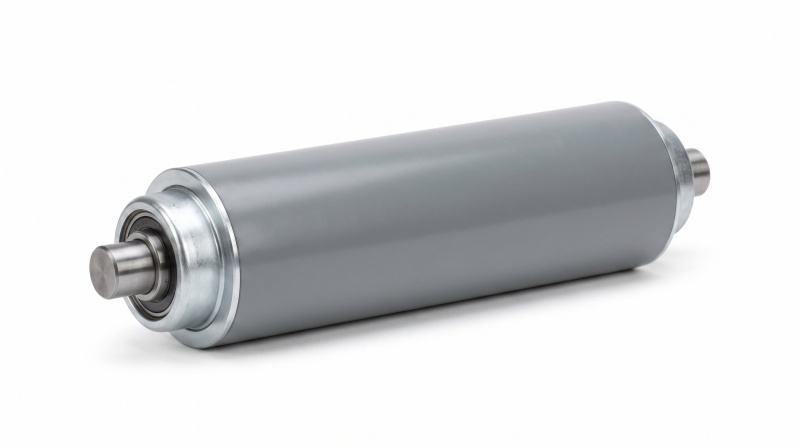
1. Flat Return Roller
Basic support type for general conveyor return systems.
- Simple structure
- Stable support
- Low cost solution
2. V-Type Return Roller
Designed to improve belt tracking stability on the return side.
- Better belt alignment
- Reduced deviation risk
- Improved return stability
3. Self-Aligning Roller
Automatically corrects belt deviation during high-speed operation.
- Automatic adjustment
- Anti-deviation performance
- Long-distance suitable
4. Self-Cleaning Roller
Reduces material build-up on belt and roller surfaces.
- Anti-sticking design
- Spiral / comb structures
- Cleaner return system
5. Special Purpose
Engineered for harsh environments and special industrial needs.
- Corrosion resistant
- Flame-retardant (mining)
- Heavy-duty reinforced
Return Roller Core Structure
Key components that determine performance, durability and reliability of return rollers
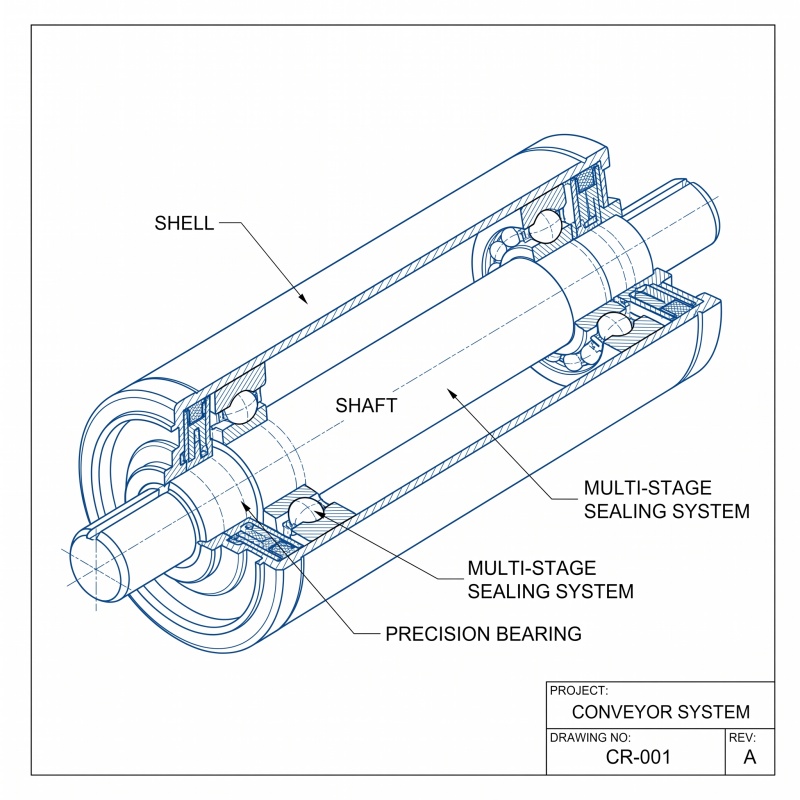
A return roller is composed of multiple precision components including roller shell, shaft, bearing, sealing system and bracket. The performance of each part directly affects rotation resistance, service life, sealing capability and overall conveyor stability in harsh working environments.
Every component is engineered to withstand high loads and industrial debris, ensuring the return belt remains aligned and friction-free.
1. Roller Shell
Main outer body that contacts the conveyor belt.
- Supports belt movement
- Reduces friction
- Transfers load
2. Shaft
Central structural component supporting rotation.
- Provides strength
- Ensures rotation stability
3. Bearing
Core rotating element of the roller.
- Smooth rotation
- Low friction loss
- Supports load
4. Sealing System
Protection system for internal components.
- Prevents dust ingress
- Prevents water intrusion
- Protects grease
5. Bracket / Frame
External mounting structure for installation.
- Fix roller position
- Maintain alignment
- Support layout
Key Technical Parameters
Core engineering parameters that define performance, stability and service life of return rollers
1. Roller Diameter
Defines load capacity and conveyor compatibility.
2. Roller Length
Matched to belt width for stable support.
3. Rotational Resistance
Lower resistance improves energy efficiency.
4. Radial Runout
Indicates rotation accuracy and vibration level.
5. Axial Movement
Affects belt stability and roller alignment.
6. Service Life
Determined by bearing, sealing and material quality.
7. Load Capacity
Maximum load under working conditions.
8. Operating Speed
Ensures compatibility with conveyor system speed.
How to Select the Right Return Roller
Selection guide based on belt width, working conditions, load requirements and environment factors
1. Belt Width
Roller length and diameter must match conveyor belt width for uniform support.
2. Working Conditions
Different environments require different roller types and specialized materials.
3. Load Requirements
Load level determines roller diameter and internal structural strength.
4. Environmental Factors
Temperature, humidity, and dust levels affect material and sealing selection.
Working Conditions & Application Industries
Where return rollers are used in mining, ports, power plants, cement, and industrial conveying systems
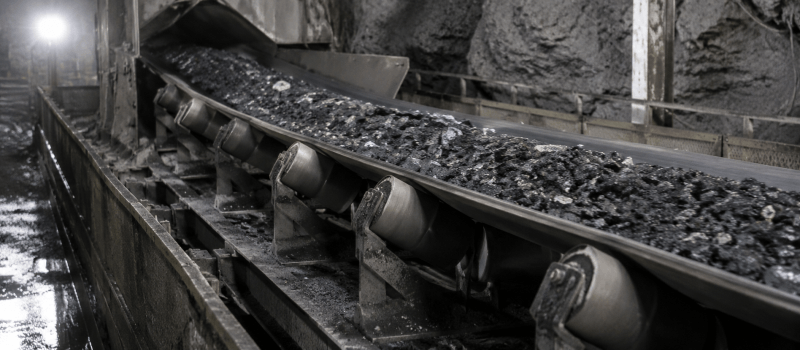
1. Mining Industry
High impact, heavy load conveyor systems for ore and coal transport.
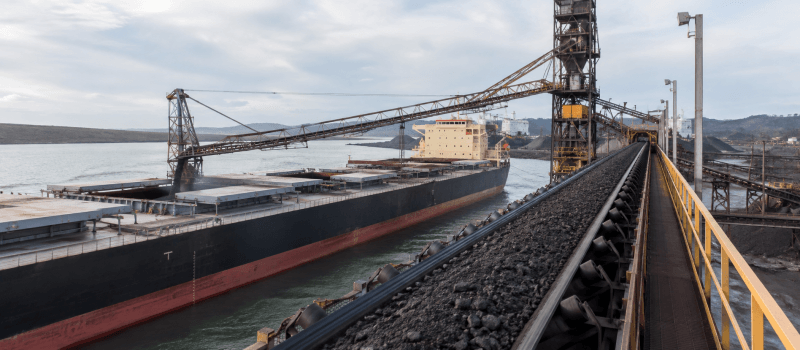
2. Port & Terminal
Bulk material loading and unloading systems in coastal or river environments.

3. Power Industry
Coal handling and fuel conveying systems for thermal power generation.
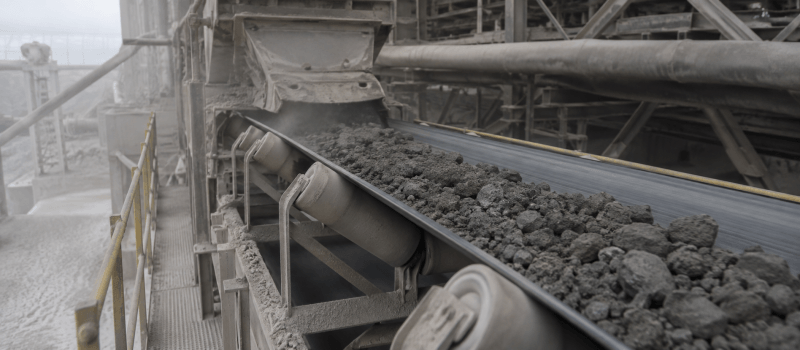
4. Cement Industry
Dust-heavy and continuous production lines for raw materials and clinker.
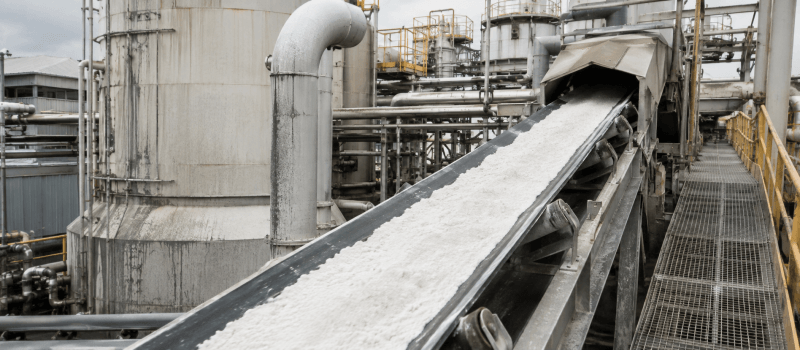
5. Chemical Industry
Corrosive and special environment conveyors for fertilizer and chemical handling.
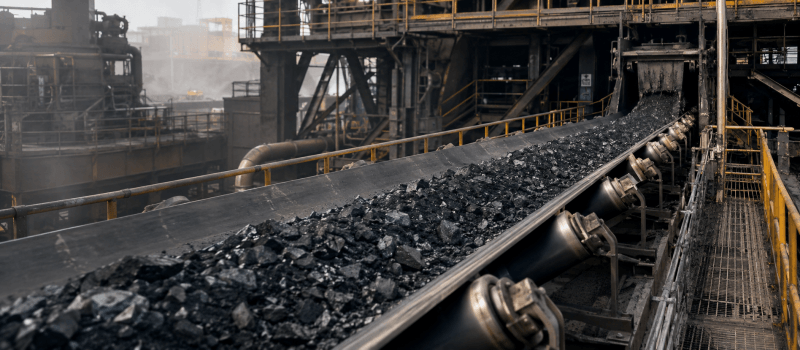
6. Industrial Bulk Handling
General heavy-duty material handling for steel, metallurgy, and recycling.
Installation & Commissioning Standards
Standard installation and commissioning guidelines for stable conveyor return roller performance
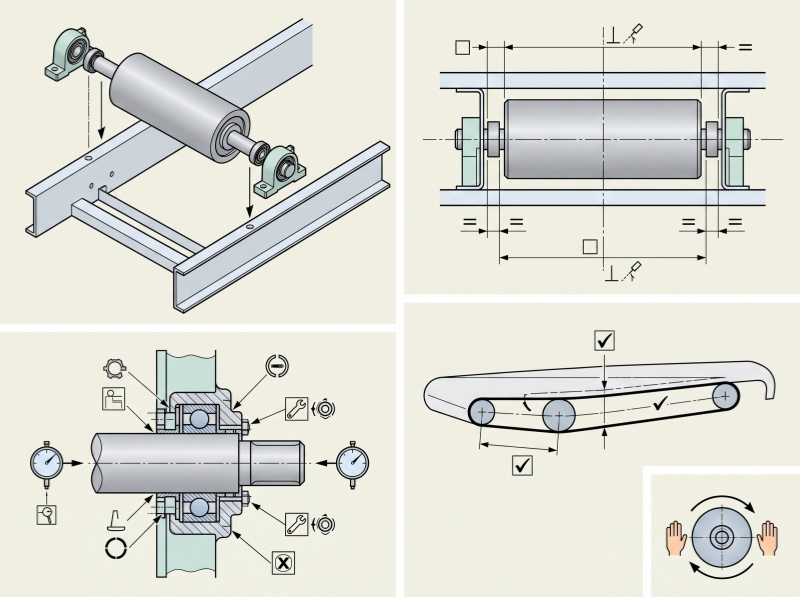
Proper installation and commissioning of return rollers is essential for ensuring stable conveyor belt operation. Incorrect alignment, spacing or adjustment can lead to belt deviation, increased wear, vibration and premature failure of conveyor components.
Standardized engineering protocols ensure that the return system operates with minimal friction and maximum alignment from day one.
Alignment Check
Ensure all rollers are aligned with conveyor centerline to avoid skew.
Spacing Control
Correct spacing prevents belt sagging and component overload.
Frame Leveling
Ensure consistent frame and support angle across the system.
Anti-Deviation
Adjust rollers and track stability before final trial run.
Trial Operation
Run empty and loaded belt to verify performance and noise levels.
Maintenance & Troubleshooting
Maintenance guidelines and common failure diagnosis for return roller systems
1. Daily Inspection
Routine checks to ensure stable operation of the conveyor return system.
- Roller rotation status
- Abnormal noise levels
- Belt tracking condition
2. Regular Maintenance
Preventive maintenance cycles to maximize component service life.
- Bearing lubrication check
- Seal condition inspection
- Removal of dust/debris
3. Long-Term Storage
Standards for protecting spare components before system installation.
- Climate-controlled storage
- Avoid pressure deformation
- Anti-rust surface protection
Common Failure Diagnosis
Roller Jamming
Cause: Bearing damage or internal dust intrusion
Abnormal Noise
Cause: Bearing wear or insufficient lubrication
Roller Vibration
Cause: Radial runout or installation misalignment
Belt Deviation
Cause: Uneven roller alignment or system imbalance
Quality Control & Standards Compliance
Strict quality control system and compliance with international conveyor industry standards
Material Inspection
Verification of steel, bearing, and sealing materials against performance standards.
Dimensional Accuracy
Precision control of roller diameter, length, and concentricity via CNC machining.
Assembly Quality
Automated assembly line ensuring consistent bearing press-fit and sealing integration.
Performance Testing
Full rotational tests for resistance, radial runout, and vibration levels.
Industry Standards
GB/T Standards
Chinese national standards for conveyor components.
MT Standards
Specialized standards for mining safety and performance.
ISO Standards
Global quality and manufacturing excellence standards.
DIN Standards
German precision engineering and manufacturing standards.
CEMA Standards
Conveyor Equipment Manufacturers Association (US) standards.
JB Standards
Mechanical industry technical and safety standards.
Get Custom Return Roller Solutions from China Factory
Factory Direct Supply
Eliminate middlemen and secure direct manufacturer pricing and lead times.
Custom Engineering Support
Our engineers adapt products to your specific environmental and load constraints.
Full Roller Range Available
Standard, V-return, self-aligning, and self-cleaning spiral options for any conveyor belt width.
Strict Quality Control
ISO certified manufacturing process with comprehensive pre-shipment inspections.
Request Direct Factory Quotation
Connect directly with our engineering team to get custom-designed solutions that minimize downtime and cut procurement costs.