China Carrying Roller Manufacturer for Heavy-Duty Belt Conveyor Systems
XINYONGDUO supplies carrying rollers, trough rollers and related conveyor components for mining, quarry, cement, power plant, port and heavy-duty bulk material handling applications.
Factory-direct supply for mining, quarry, cement, power plant and heavy-duty conveyor projects.
What Is a Carrying Roller?
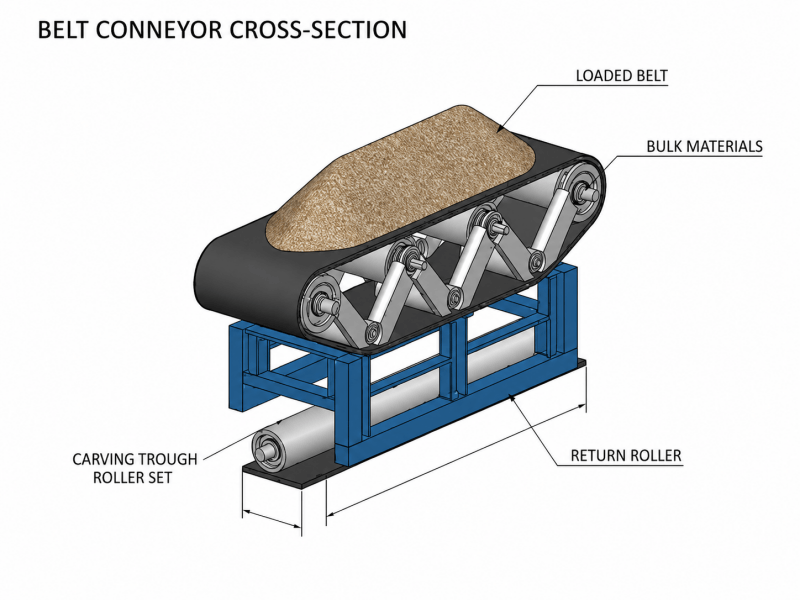
The carrying roller is a critical component of a belt conveyor system, positioned on the carrying side to support the loaded belt and the transported material. XINYONGDUO's precision-engineered carrying rollers are designed to withstand the harsh environments of mining and heavy industry, ensuring smooth operation under extreme load conditions.
"The carrying roller is not just a small conveyor part. It directly affects belt support, running resistance, conveyor stability and long-term system performance."
Discover more details and technical parameters of our rollers.
Why Carrying Rollers Matter
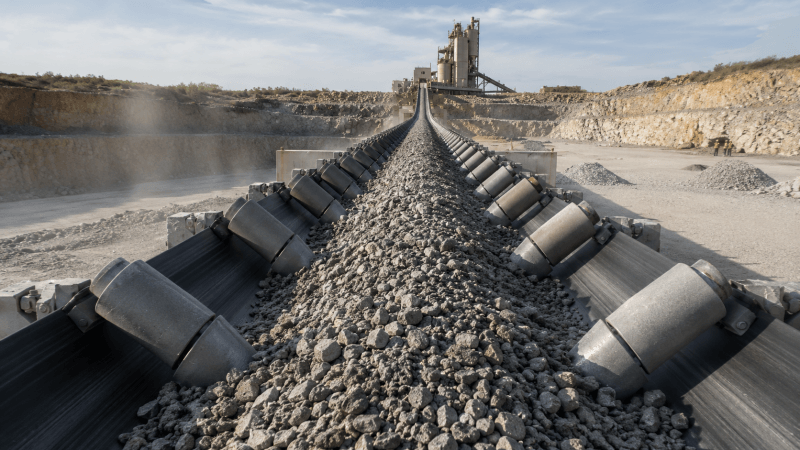
Carrying rollers directly support the loaded conveyor belt. Their quality affects load capacity, energy consumption, belt life, running stability, belt alignment and overall conveying efficiency.
Load Capacity
High-strength structural design ensures rollers handle heavy bulk materials without deformation.
Energy Consumption
Precision bearings and low-resistance seals significantly reduce the motor power required to drive the belt.
Belt Service Life
Smooth, balanced rotation minimizes surface wear and impact fatigue on expensive conveyor belts.
Running Stability
Dynamic balancing ensures vibration-free operation even at high belt speeds over long distances.
Belt Alignment Control
Precision trough angles and consistent roller diameters keep the belt centered and prevent spillage.
Conveying Efficiency
Optimized roller placement and reliability maximize uptime and hourly throughput for the operation.
"A good carrying roller helps the conveyor system run with stronger support, lower resistance, better belt protection and more stable long-term performance."
Featured Carrying Roller Products
TITAN ROLLERS supplies practical carrying roller types for belt conveyor systems used in mining, quarry, cement, power plant, port and heavy-duty bulk material handling projects.
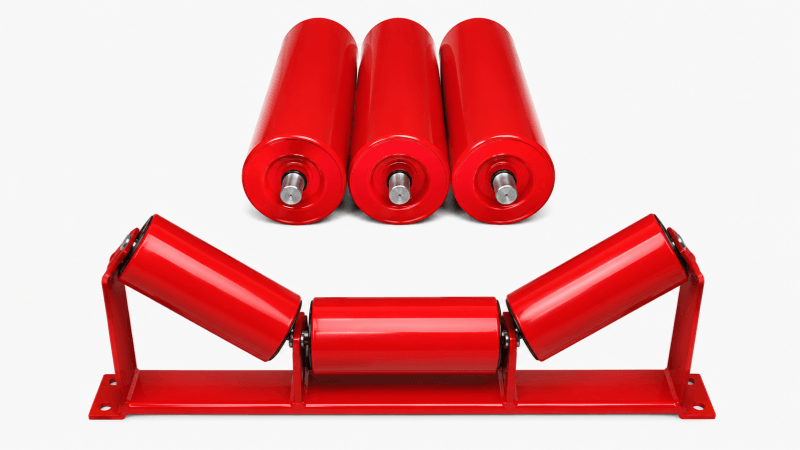
The primary support roller for bulk material handling with high structural integrity.
Send Inquiry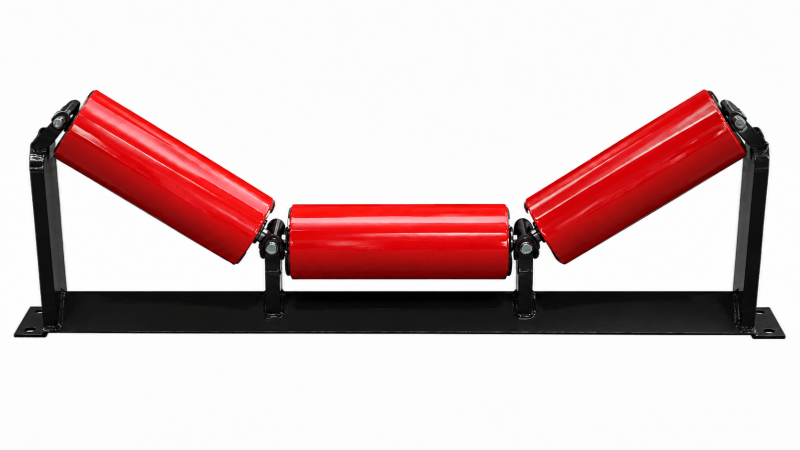
Engineered to prevent belt deviation through precision angular alignment.
Send Inquiry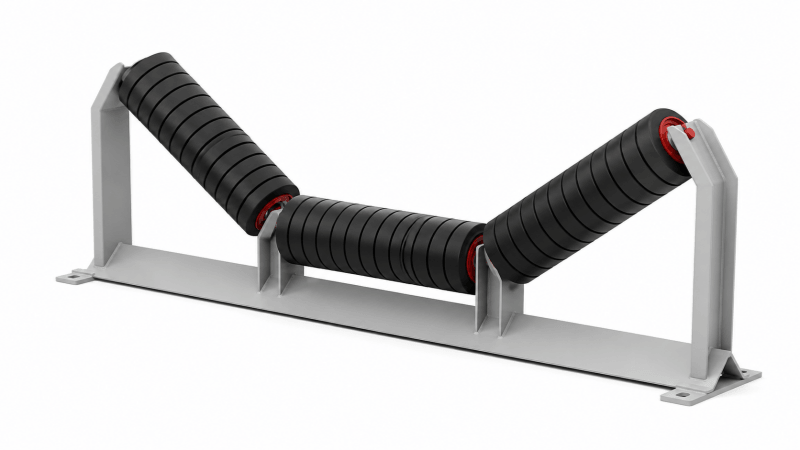
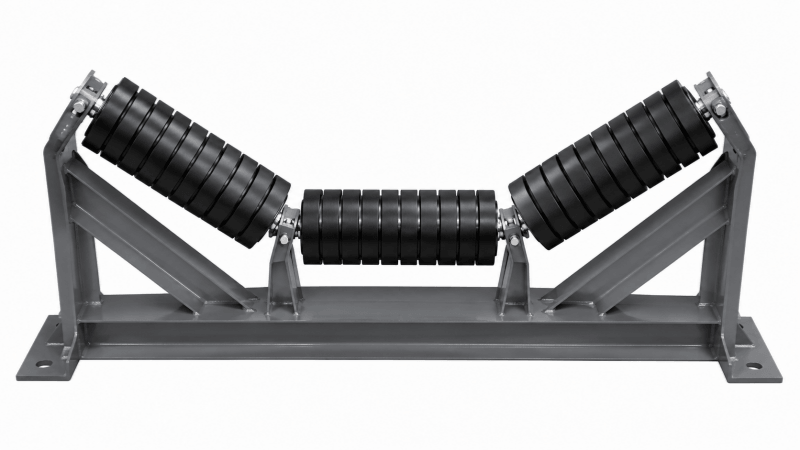
Fitted with rubber rings to absorb heavy shock loads at belt loading zones.
Send Inquiry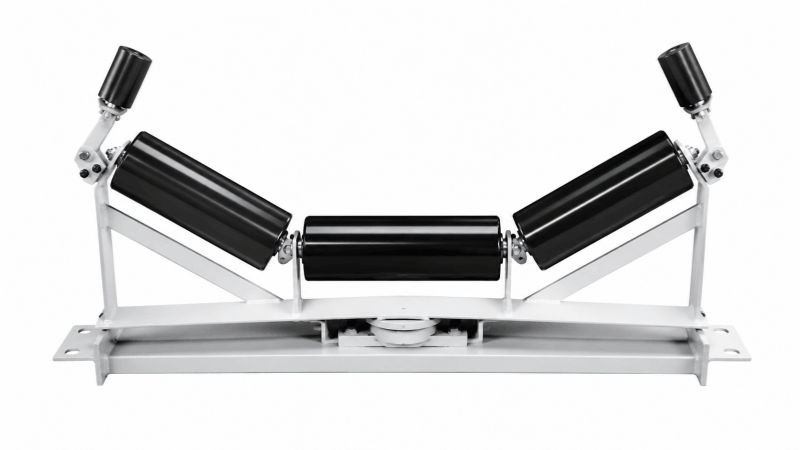
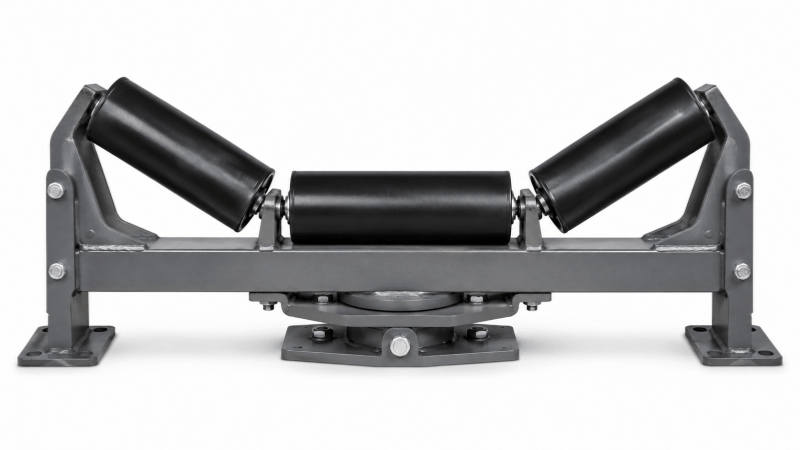
Automatically adjusts to correct belt mistracking during heavy operations.
Send Inquiry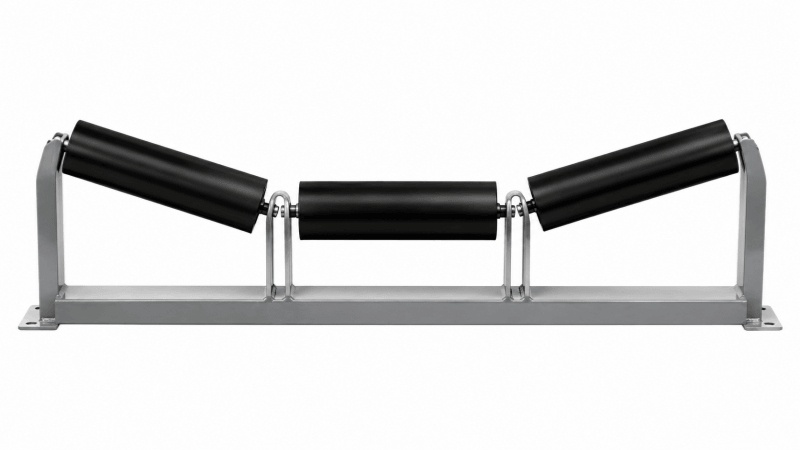
Facilitates smooth belt profile change from flat pulley to troughed idlers.
Send Inquiry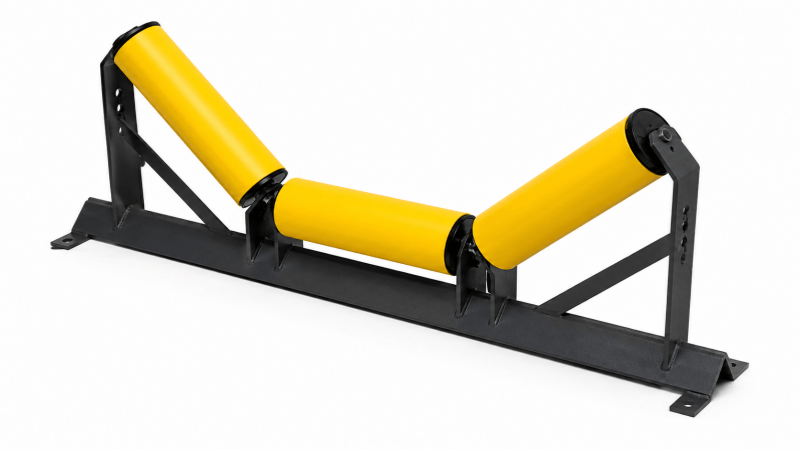
High-capacity rollers designed for extreme bulk density and steep angles.
Send InquiryStandard and customized carrying rollers are available for all conveyor widths.
Request Carrying Roller CatalogCarrying Roller Types by Structure
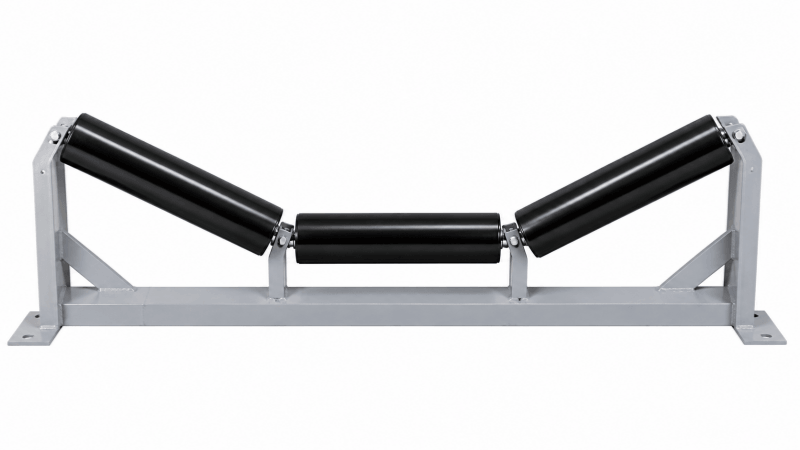
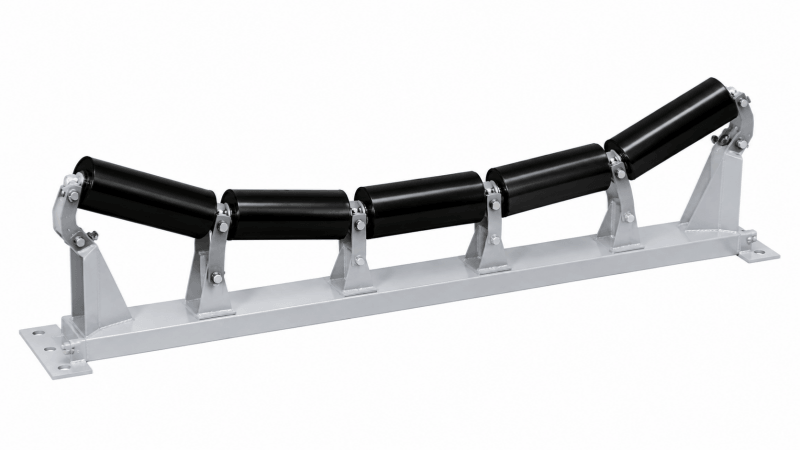
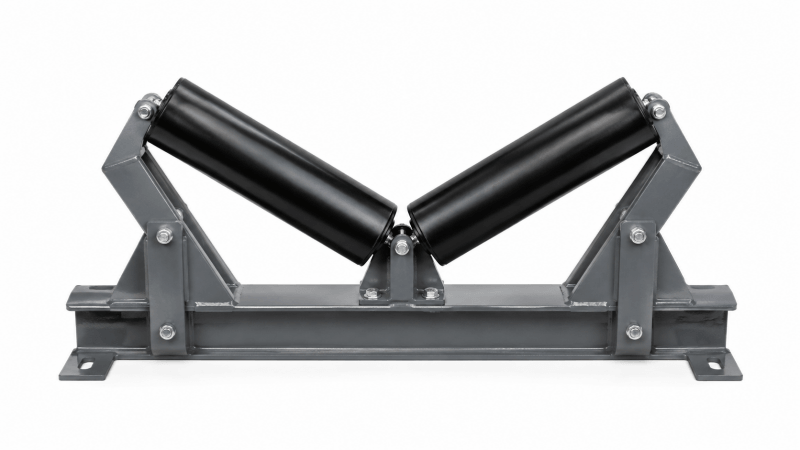
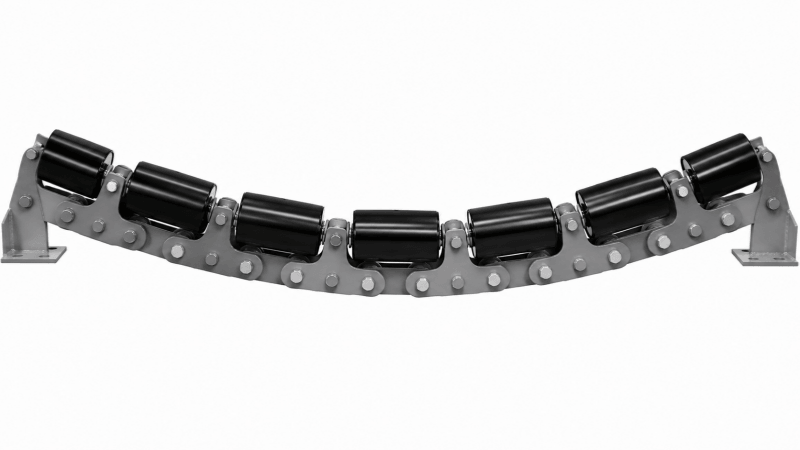
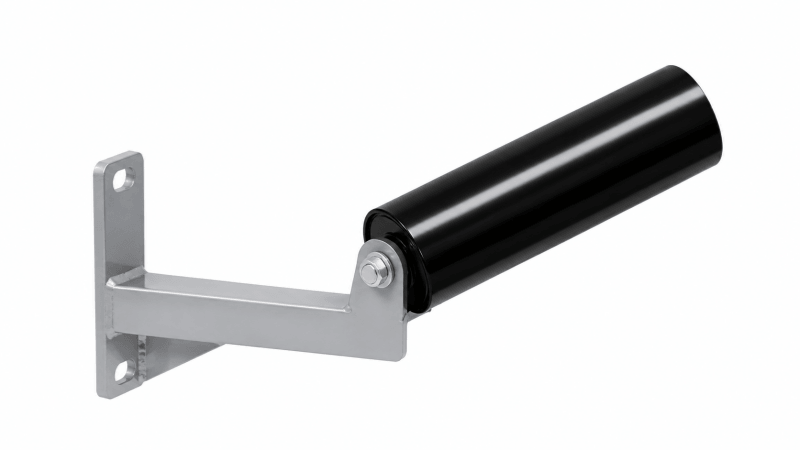
Different conveyor positions and working conditions require different carrying roller structures. Choosing the right roller type helps improve belt support, impact protection, belt alignment and conveying stability.
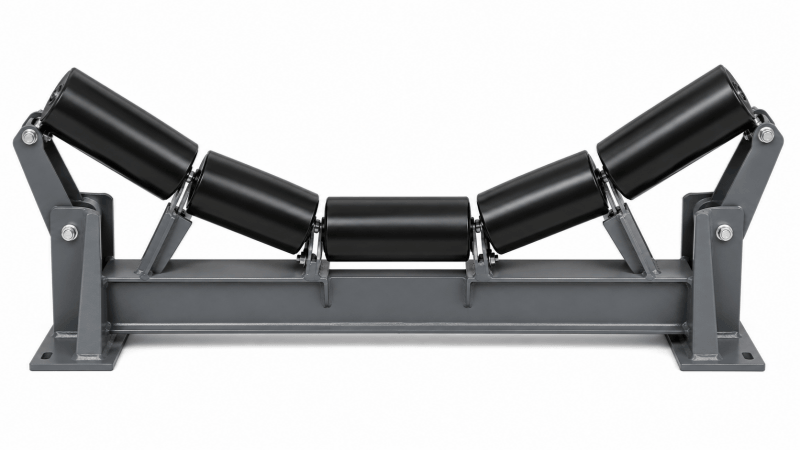
Not sure which structure fits your conveyor framework?
Ask for Roller Structure RecommendationRoller Materials for Different Working Conditions
Different conveyor environments require different roller materials. Choosing the right roller body material helps improve wear resistance, corrosion resistance, running stability and service life.
Get expert advice on selecting the most suitable roller material for your specific environment.
Ask for Material Selection AdviceCore Structure of Carrying Rollers
Precision-engineered components integrated into a high-performance
system designed for maximum load distribution and minimal rotational friction.
Titan Industrial Rollers utilize a proprietary four-layer structural assembly. Each component is manufactured to aerospace tolerances, ensuring that the carrying roller can withstand extreme belt tension and corrosive environments without compromising structural integrity.
The synergy between the high-grade steel shell and the multi-stage sealing system defines our industry-leading MTBF (Mean Time Between Failures).
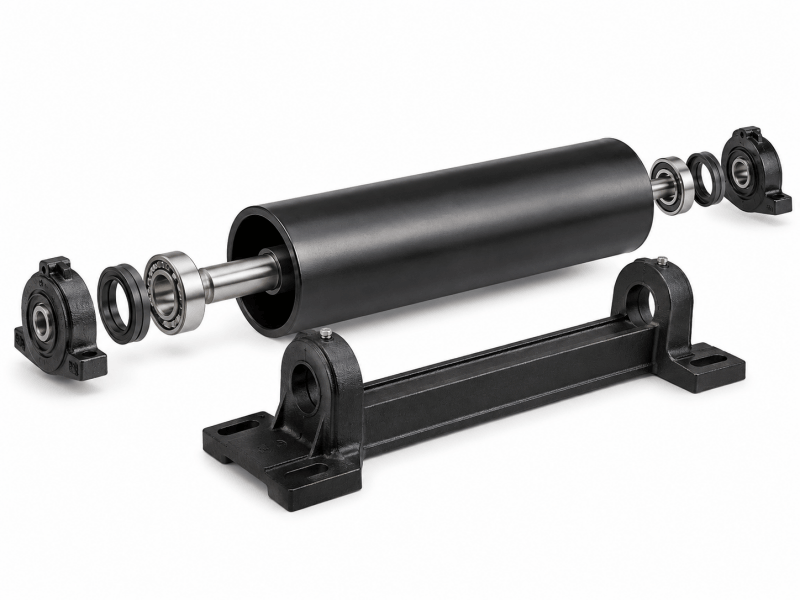
Roller Shell
ERW high-precision longitudinal welded pipes. Minimized eccentricity for reduced vibration.
Bearing Housing
Deep-pressed steel housing, robotically welded to the shell for absolute concentricity.
Rolling Bearing
C3 clearance deep groove ball bearings with large internal volume for lubricant retention.
Sealing System
Multi-stage labyrinth seals (DTII/TKII) effectively blocking dust, moisture, and fine particulates.
Need custom engineering drawings?
Request Roller Structure DetailsKey Technical Parameters
Performance benchmarks that define the reliability and operational efficiency of your conveyor system.
| Parameter | Effect on System | Buyer Action |
|---|---|---|
| Roller Diameter | Determines belt speed compatibility and bearing life. | Select based on conveyor capacity. |
| Trough Angle | Affects material cross-sectional area and spillage. | Match to conveyor frame geometry. |
| Radial Runout | High runout causes belt vibration and noise. | Verify tolerance is ≤ 0.5mm. |
| Rotation Resistance | Directly impacts motor power consumption. | Require low-friction start-up test. |
| Static Load | Maximum weight capacity before deformation. | Calculate peak load per roller. |
Diameter range
Available from φ60mm to φ219mm for varied industrial load profiles.
Troughing Angles
Standard 20°, 35°, and 45° configurations for optimal material handling.
Rotational Limits
Tested up to 600 RPM with minimal heat generation at bearing contact.
Ready to provide your specifications?
Send Your Roller SpecificationsHow to Select the Right Carrying Roller
A systematic approach to choosing the ideal roller configuration based on environmental and mechanical variables.
1. Conveyor Params
Belt width, speed, and troughing angle dictate the core geometry.
2. Material Characteristics
Bulk density, lump size, and abrasiveness influence shell thickness.
3. Environment
Temperature extremes, humidity, and chemical exposure dictate seal type.
4. System Requirements
Operational hours per day and desired service life (L10 life).
Calculate idler pitch based on belt sag limits.
Match diameter to belt speed to limit RPM.
Verify static and dynamic load ratings.
Selection Logic Summary
The goal is to find the intersection of durability and cost-efficiency. Over-specifying increases initial CAPEX, while under-specifying leads to catastrophic OPEX via downtime.
Information Needed Checklist
- Belt Width (mm)
- Belt Speed (m/s)
- Throughput (t/h)
- Working Temperature Range
Unsure about your requirements?
Get Roller Selection SupportWorking Conditions & Application Industries
Titan Rollers are engineered to withstand the most demanding industrial environments across global resource and logistics chains.
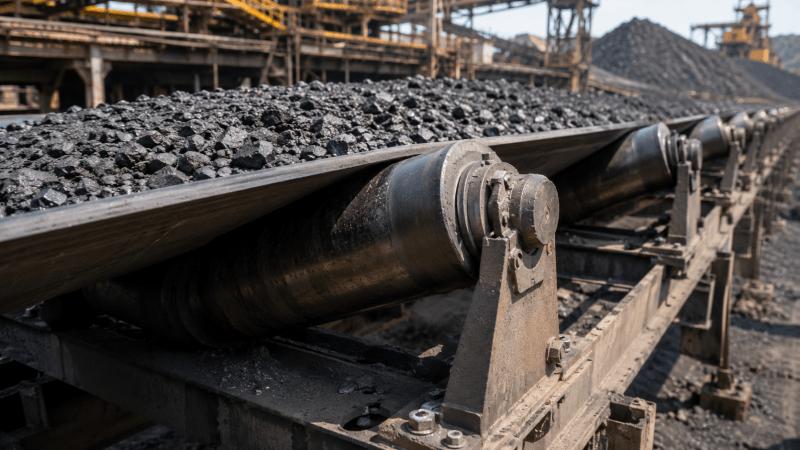
Iron Ore & Coal
Materials: Abrasive ore, coal dust
Problems: Bearing contamination, shell wear
Focus: Triple-labyrinth sealing system
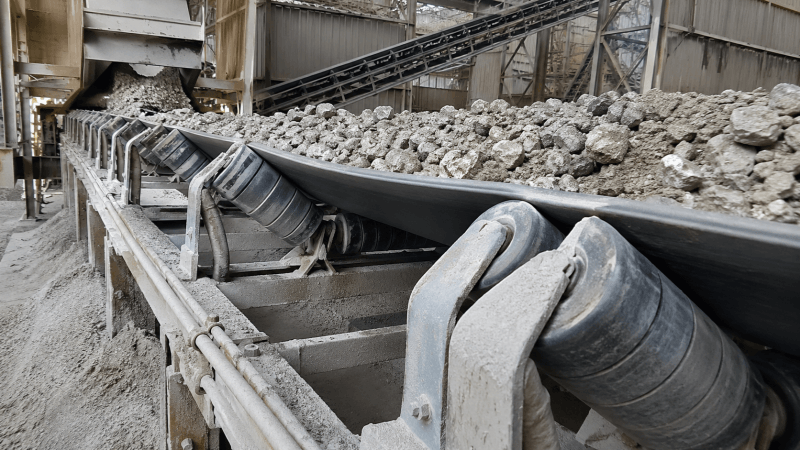
Cement & Aggregates
Materials: Limestone, clinker, sand
Problems: High dust penetration, impact
Focus: Reinforced impact roller shells
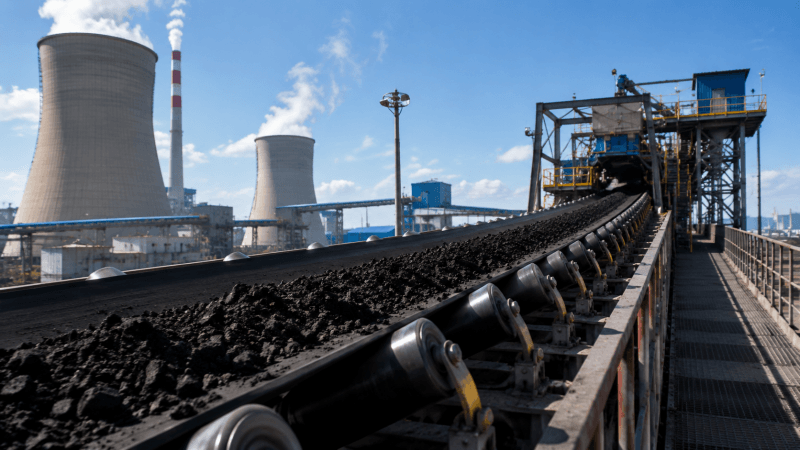
Coal Handling
Materials: Pulverized coal, fly ash
Problems: Corrosive ash, static buildup
Focus: Anti-static and flame retardancy
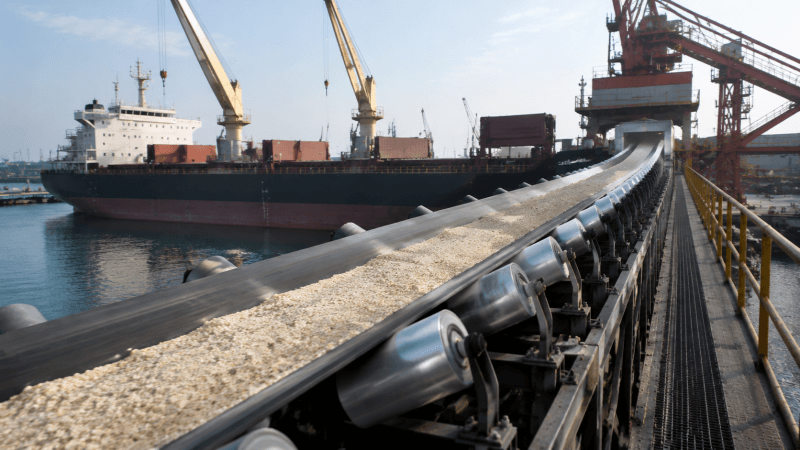
Bulk Cargo Terminal
Materials: Salt, grain, minerals
Problems: Salt-spray corrosion, high speed
Focus: Specialized C3 anti-corrosion coating
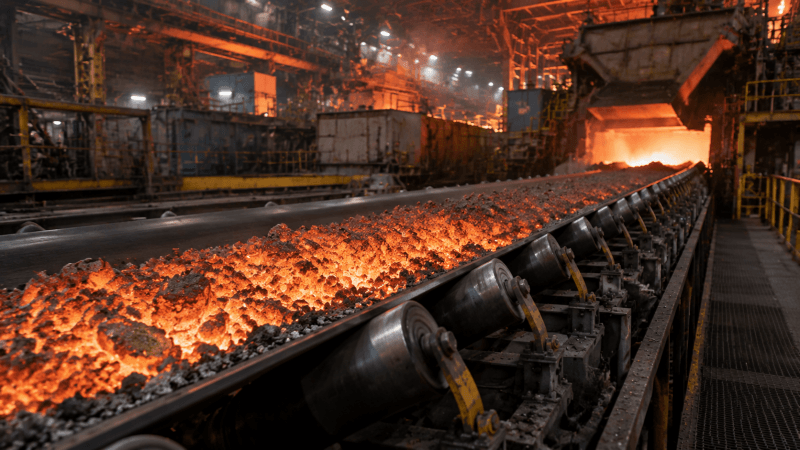
Steel & Iron Mills
Materials: Hot sinter, steel scrap
Problems: Extreme high temperatures
Focus: High-temp resistant grease & seals
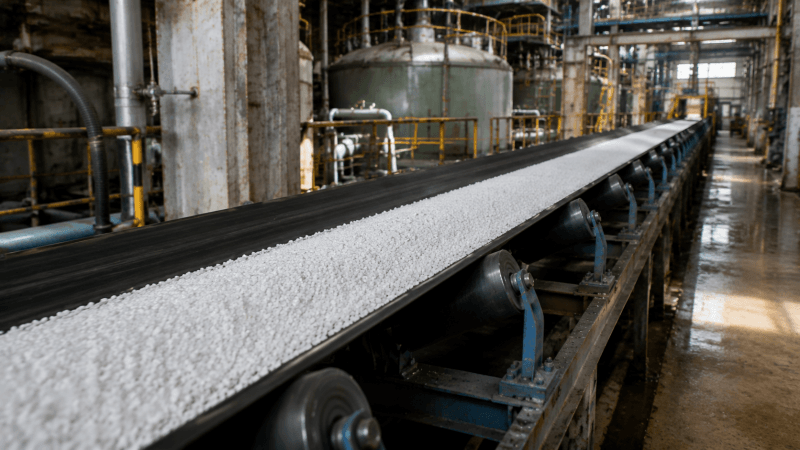
Fertilizer Production
Materials: Acidic/alkaline chemicals
Problems: Chemical corrosion, material caking
Focus: UHMWPE or Nylon roller options
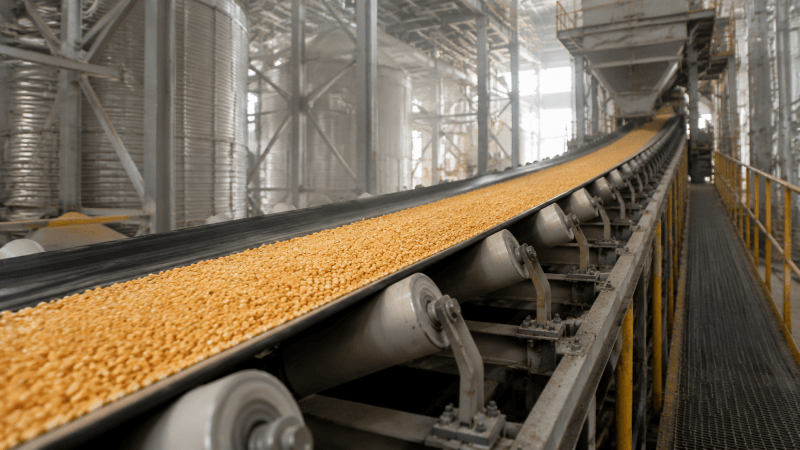
Agri-Logistics
Materials: Wheat, corn, soybeans
Problems: Dust explosions, belt slippage
Focus: Spark-proof and low-noise design
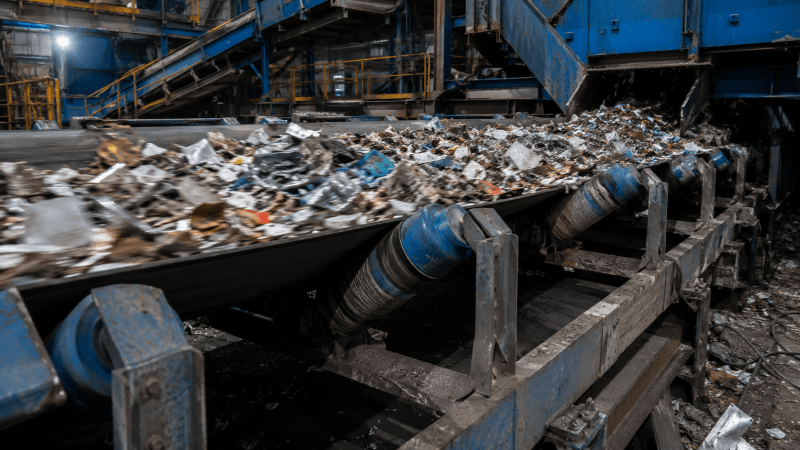
Waste Recycling
Materials: Municipal waste, scrap
Problems: Complex impact, irregular shapes
Focus: Heavy-duty shock absorption
Match Roller Design Strategy
Calculate peak dynamic loads to determine wall thickness requirements.
Ensure TIR is <0.5mm for high-speed belts.
Select between labyrinth, contact, or hybrid seals based on particle size.
Rubber versus PVC belts dictate the required roller surface finish.
Specify lubrication grease grade for extreme temps.
Ask for material advice from our engineering team.
Tell Us Your Working ConditionInstallation & Commissioning Standards
Follow strict alignment and testing protocols to ensure maximum longevity and prevent premature belt or roller failure.
Pre-Installation
Site verification of frame alignment and component inventory check.
Correct Installation
Physical mounting of idler sets with precision laser leveling tools.
Commissioning
Stepwise testing under increasing load conditions and speed.
Centerline Alignment
Roller centerline must be perpendicular within ±3mm.
Level Consistency
Height difference on same frame must be <0.5mm.
Trough Angle
Must match design trough angle (35° or 45°) exactly.
Forward-Inclination
Directional idlers tilt 2°-3° for automatic tracking.
Self-Aligning Flex
Pivots must rotate freely without friction.
Impact Height
Max allowed impact gap from chute is 5mm.
Transition Sequence
Gradual adjustment near pulleys prevents edge stress.
Secure Fastening
All bolts must be tightened to specified torque.
Commissioning Checklist
- • Run for 2 hours continuously
- • Check for abnormal vibration
- • Verify belt tracking center
- • Incremental load from 50% to 100%
- • Monitor roller start-up torque
- • Check for material spillage
- • Measure bearing cap heat after 8h
- • Max delta over ambient: 40°C
- • Confirm seal thermal expansion
Ensure your system is perfectly aligned and safe for operation.
Request Installation GuidanceMaintenance & Troubleshooting
Extend the lifespan of your conveyor components through proactive monitoring and prompt issue resolution.
Daily Maintenance
Visual inspection during operation. Monitor for strange noises, loose bolts, and material buildup.
Key Metric: Visual DeviationRegular Maintenance
Quarterly inspections. Measure shell thickness, check seal integrity, and test rotation.
Key Metric: TIR & Wear RateLong-Term Storage
Rotate rollers 90 degrees every 6 months. Keep in a dry, shaded area.
Key Metric: Grease Stability| Problem Identification | Probable Causes | Engineering Focus | Recommended Action |
|---|---|---|---|
| Roller Not Rotating | Bearing seizure; Foreign material blockage | Seal integrity | Immediate replacement; Check chute sealing |
| Abnormal Noise / Whistling | Insufficient lubrication; Damaged cage | Internal friction | Re-grease if applicable or check bearing type |
| Uneven Shell Wear | Belt misalignment; Abrasive buildup | Surface hardness | Adjust tracking; Install primary belt cleaners |
| Overheating End-Caps | Overloaded bearings; Thermal seal friction | Thermal clearance | Verify load rating; Check radial play (C3/C4) |
| Roller Loosening | Severe vibration; Improper torque | Fastening stability | Retighten bolts; Install vibration dampeners |
Professional Maintenance Tips
Clear Debris
Never allow material to accumulate between roller and belt.
Zero-Lubrication
Titan rollers are Sealed-for-Life. Do not inject grease.
Acoustic Monitoring
Use ultrasonic detectors to identify early-stage fatigue.
Smart Sparing
Keep a 5% critical inventory for high-impact zones.
Heat Checks
Include rollers in thermal imaging rounds.
Service Logging
Track replacement dates to identify high-stress zones.
Need expert maintenance advice for your system?
Ask for Roller Maintenance SupportQuality Control & Standards Compliance
Reliable carrying rollers require controlled dimensions, suitable materials, effective sealing, and standard-based inspection to ensure operational longevity in high-stress environments.
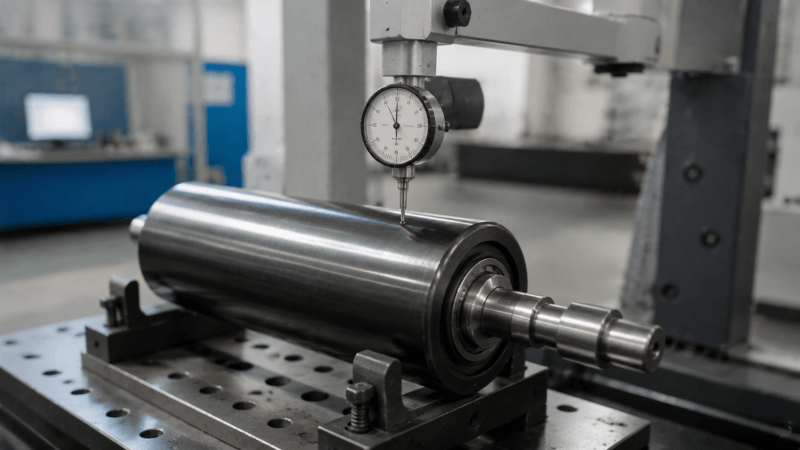
Dimensional Accuracy
Tolerance checks on tube diameter, shaft length, and bearing seat alignment within 0.05mm precision.
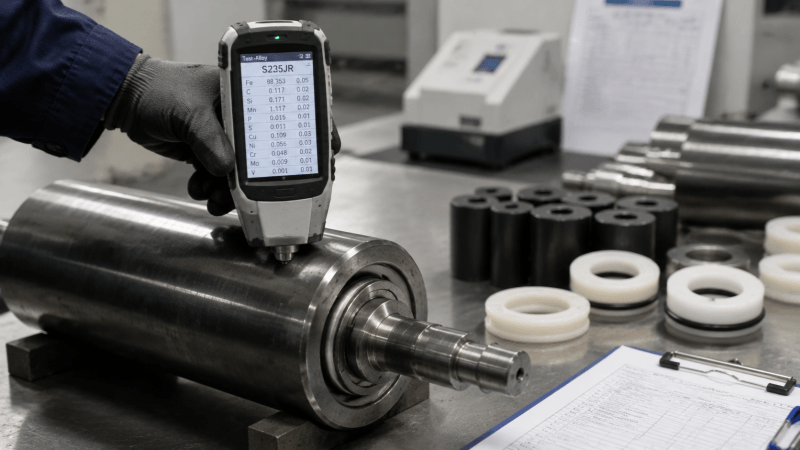
Material Standard
Strict verification of S235JR steel grades and reinforced nylon sealing components for structural integrity.
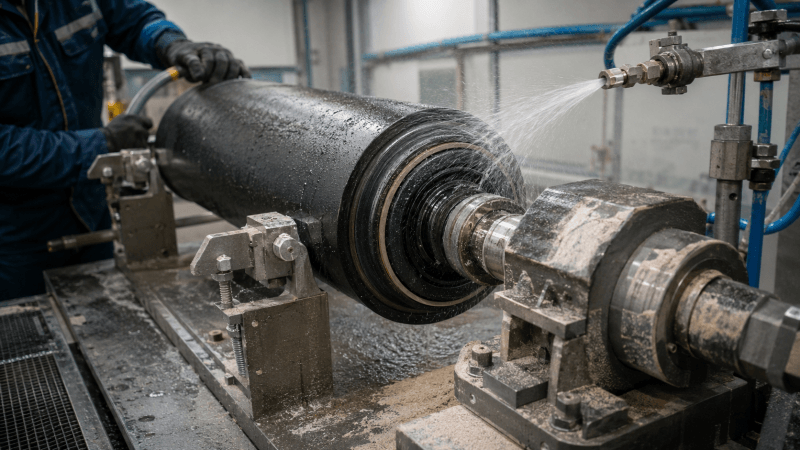
Sealing Performance
Triple-labyrinth seal testing to prevent water ingress and dust contamination in subterranean environments.
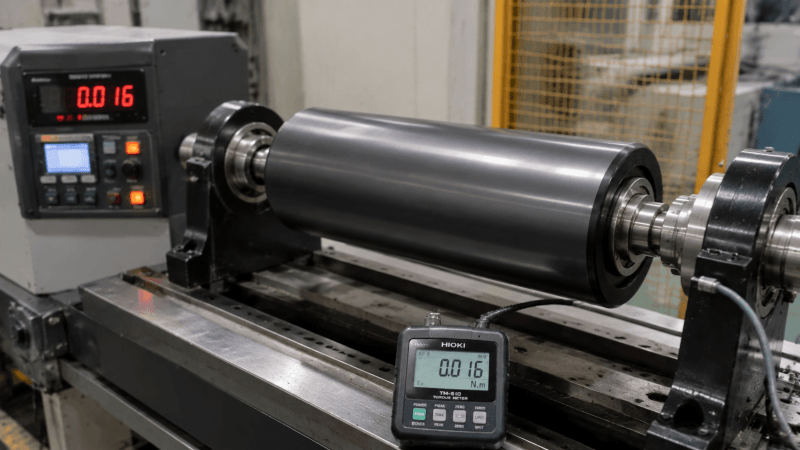
Rotation Resistance
Low-friction coefficient verification to minimize energy consumption on heavy-duty conveyor belts.
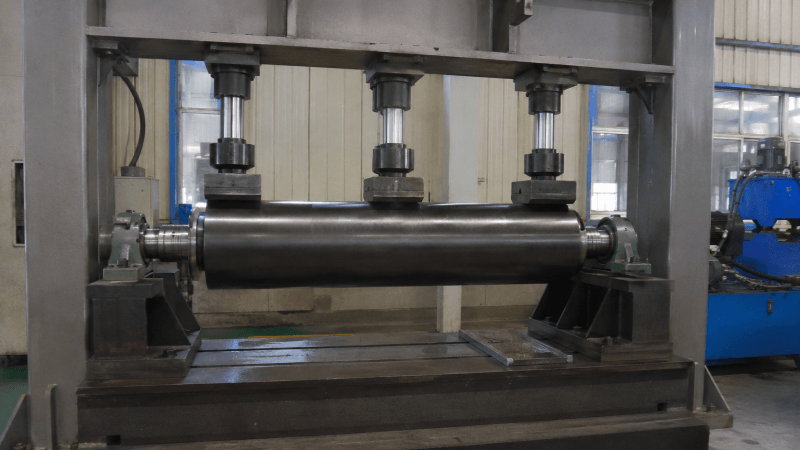
Static Load
Pressure testing to ensure rollers maintain axial and radial load capacities under peak material weight.
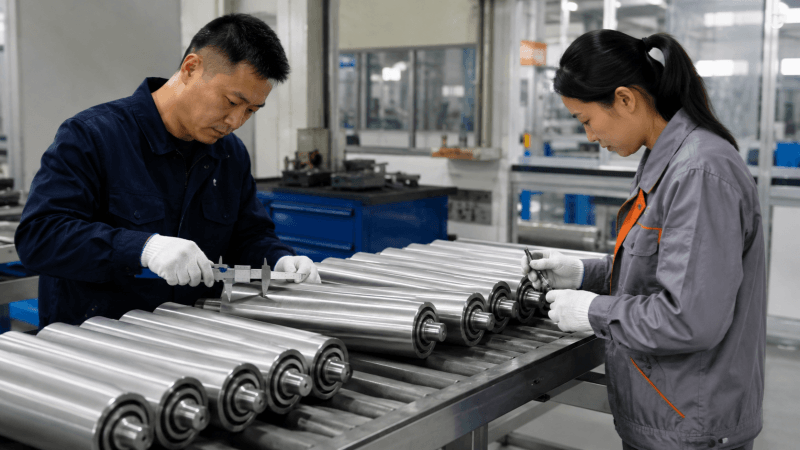
Batch Sampling
Rigorous AQL inspections for consistent quality across high-volume industrial manufacturing runs.
Standards Framework
Domestic Standards
International Standards
Manufacturing Pipeline
Raw Material Sourcing
Testing chemical composition of steel tubes.
Automated Dimension Check
In-line laser scanning for precision diameter.
Precision Assembly
Robotic welding and bearing press-fitting.
Performance Testing
Dynamic balance and rotation resistance checks.
Pre-Shipment Audit
Final QC stamp and export documentation packaging.
Ensure your infrastructure meets global safety and durability benchmarks.
Request Quality DocumentsFuture-Ready Roller Solutions
Next-generation carrying roller innovations engineered for digital monitoring, extreme energy efficiency, and extended service life in heavy industry.
IoT Smart Monitoring
Embedded temperature and vibration sensors transmit real-time telemetry to predict bearing fatigue before failure occurs.
Ultra-Low Resistance Design
Advanced low-friction seal geometries and optimized grease formulations reduce conveyor motor power consumption by up to 15%.
Sustainable Composite Shells
Lightweight composite and HDPE alternatives minimize rotational inertia while offering immune protection against acid corrosion.
Multi-Stage Non-Contact Sealing
Next-gen labyrinth seal architecture guarantees zero dust and water ingress even during high-pressure washdown cycles.
Modular End-Cap Assemblies
Rapid-disassembly cartridge systems allow fast on-site maintenance without discarding the precision steel tube body.
High-Speed Dynamic Balancing
Precision balancing tolerances designed specifically for modern long-distance overland belts exceeding speeds of 6.0 m/s.
Explore next-generation carrying roller technology for your plant.
rocket_launch Upgrade Your Conveyor SystemGet Custom Carrying Roller Solutions Directly from China Factory
Direct OEM & ODM manufacturer of heavy-duty conveyor idlers and carrying rollers. Contact our engineering team for custom drawings, technical specifications, and factory-direct wholesale pricing.
-
Custom Technical Fabrication
Engineered precisely according to CEMA, DIN, AS, or ISO standards with full CAD drawing support.
-
Strict Quality Guarantee
100% dynamic balance testing, seal leak tests, and material certifications with every shipment batch.
-
Direct Factory Pricing
Eliminate middleman costs with competitive OEM bulk pricing and scalable manufacturing capacity.
-
Global Logistics & Support
Door-to-door project delivery and technical engineering support for global conveyor systems.
Request Direct Factory Quotation
Connect directly with our engineering team to get custom-designed solutions that minimize downtime and cut procurement costs.