
Blog Archive
October 3, 2026
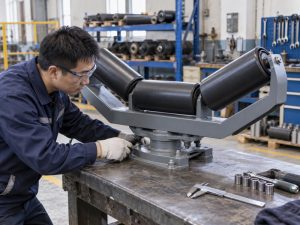
Compare tracking mechanisms only after checking belt drift, then define support, pivot and acceptance requirements for your application.
Read More

October 3, 2026
Understand how curved roller conveyors move packages, then review feeding, drive, support and transfers before approving a system.
Read More
October 3, 2026
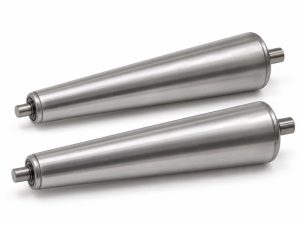
Match tapered roller geometry with your curve conveyor and confirm mounting, support and drive interfaces before purchase.
Read More

October 3, 2026
Separate passive web support from active steering, then define alignment, rotation and surface checks for your paper or film process.
Read More

October 3, 2026
Use belt-path observations and mounting checks to choose guide rollers without hiding loading, alignment or return-run problems.
Read More
October 3, 2026
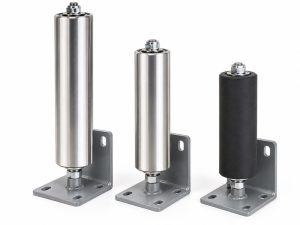
Check guide roller mating surfaces, mounting fit, runout and service limits. Distinguish rail guidance from controlled conveyor belt guidance.
Read More
October 3, 2026
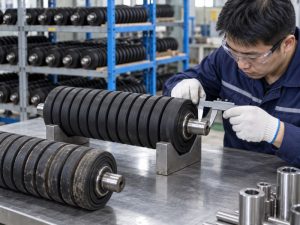
Verify impact roller shaft interfaces, ring wear, working diameter and support frames before installation or repeat spare orders.
Read More

October 3, 2026
Compare rolling and sliding impact support using transfer duty, belt stability, frame fit, resistance and safe maintenance access.
Read More
October 3, 2026
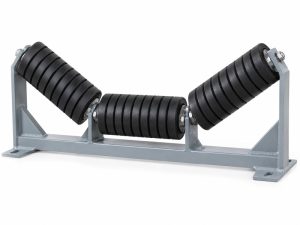
Define transfer geometry, material conditions, rubber-ring construction and mounting fit before selecting conveyor impact rollers.
Read More