
Check shaft fit, rubber-ring condition, rotation and frame geometry before approving an impact roller for belt conveyor replacement. A worn sample can hide its original diameter or mounting shape. If you copy those damaged dimensions, a new roller may repeat poor belt contact. Use approved drawings where available, then compare measured wear with your site’s replacement criteria.
1. What should you check before ordering a replacement?
Before ordering an impact roller for belt conveyor service, check its position, drawing reference and observed defect. A damaged roller and a damaged frame can produce similar contact problems. So record both before purchasing. Your replacement should restore an approved arrangement, with any proposed design change reviewed separately from a routine spare order.
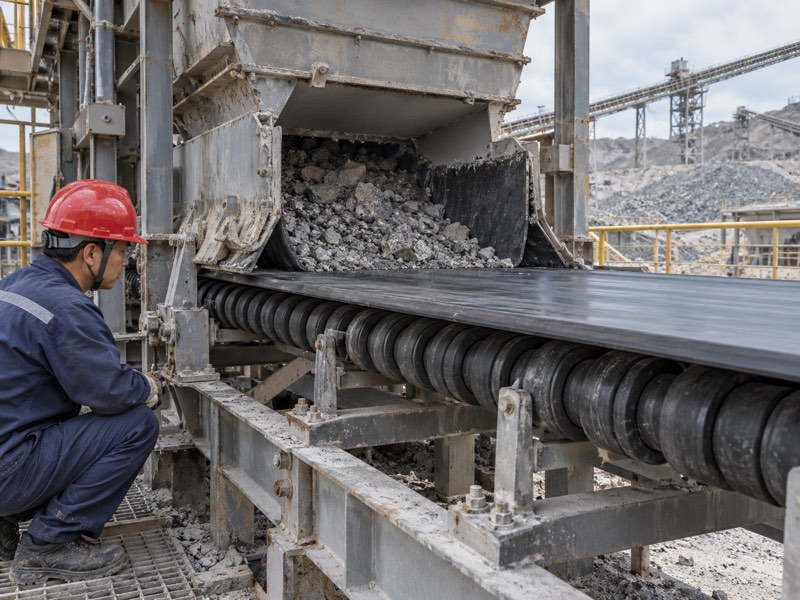
How should you identify the failed assembly?
Name the station and roller position. Center and wing rollers may use different working lengths or mounting orientations. If your inventory includes several variants, connect each with its drawing revision. Clear location records help purchasing avoid ordering a visually similar part for the wrong position.
- Record conveyor, station and center or wing position.
- Attach current drawing and part references.
- Describe ring, rotation and frame defects separately.
What evidence should accompany the enquiry?
Use photographs showing the complete assembly and its interfaces. Then provide dimensions from approved records or reliable measurements. Pictures help explain condition, but perspective and wear make them unsuitable as the sole basis for fit.
| Record | Identifies | Purchasing use |
|---|---|---|
| Position reference | Intended installation | Correct variant |
| Approved drawing | Original geometry | Fit confirmation |
| Defect photographs | Observed condition | Duty and repair review |
Key Takeaway: Identify the exact position and separate roller defects from frame faults before requesting a replacement.
2. Can you use a worn roller as your dimensional sample?
A worn impact roller for belt conveyor service can provide useful context, but it may not preserve original working dimensions. Ring wear changes diameter, while damaged flats can alter mounting shape. If drawings are unavailable, compare several representative samples. Flag differences and obtain approval of the resulting interface drawing before ordering a production batch.
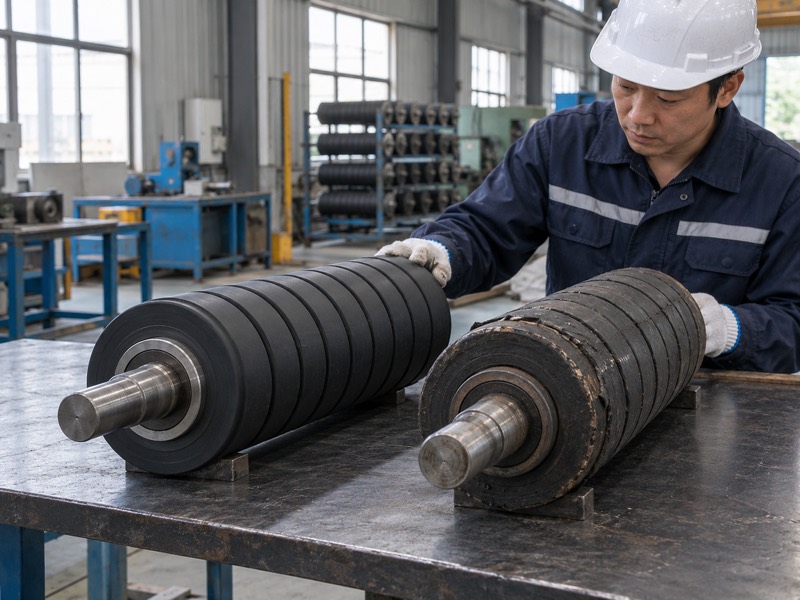
Which sample dimensions need caution?
Separate original geometry from wear. A compressed ring and a bent shaft can mislead measurements. Clean parts using approved methods, then inspect them before selecting reference surfaces. If no sound sample remains, ask your responsible engineer to resolve interfaces from the equipment rather than averaging damaged parts.
- Compare shell or ring working diameter.
- Inspect shaft straightness and end-flat damage.
- Record sample differences instead of hiding them.
How should you label measured information?
State whether each value comes from a drawing, sound sample or worn component. Flag uncertain values for engineering review. Then your supplier can ask the right questions without mistaking a field estimate for an approved manufacturing dimension.
| Measurement source | Value | Limitation |
|---|---|---|
| Approved drawing | Original requirement | Confirm revision |
| Sound sample | Useful interface evidence | Check representativeness |
| Worn sample | Fault context | May differ from original |
Key Takeaway: Use worn parts as evidence of condition, with original fit established through approved drawings or reviewed measurements.
3. Which shaft dimensions matter for replacement fit?
For an impact roller for belt conveyor installation, shaft flats, engagement length and mounting span determine correct seating and restraint. Overall shaft length alone isn’t enough. A flat can enter a bracket while remaining poorly supported. Measure interfaces from defined references and compare them with clean frame slots before approving replacement dimensions.
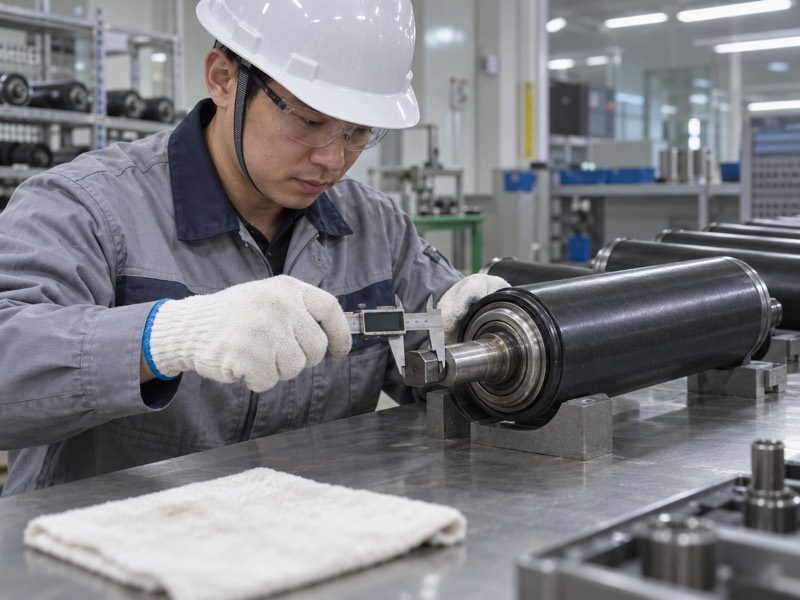
What should your end-detail drawing show?
Define how each shaft end sits. Include flat width, depth and usable length where your mounting uses flats. Show any other retention features required by the approved arrangement. If mounting styles differ across conveyor sections, keep separate drawings rather than relying on one generic end sketch.
- Record shaft-end profile and usable engagement.
- Confirm bracket spacing and slot condition.
- Specify approved restraints and orientation.
What should happen when measurements disagree?
Check whether wear or a previous substitution caused the difference. Then obtain engineering confirmation before changing dimensions. Forcing a shaft into a damaged slot can conceal a frame fault and leave restraint uncertain.
| Shaft detail | Fit consequence | Confirmation |
|---|---|---|
| Flat profile | Slot compatibility | End-detail drawing |
| Engagement | Supported seating | Bracket dimensions |
| Span | Installation alignment | Complete assembly drawing |
Key Takeaway: Approve end geometry and engagement separately from overall shaft length.
4. How should you judge rubber-ring wear?
Judge rubber-ring wear on an impact roller for belt conveyor service against approved criteria for surface condition, contact geometry and retention. Cuts, missing pieces and uneven wear can change belt support. Ring color doesn’t establish material condition or compatibility. If damage repeats, review incoming material and transfer alignment alongside replacement requirements.
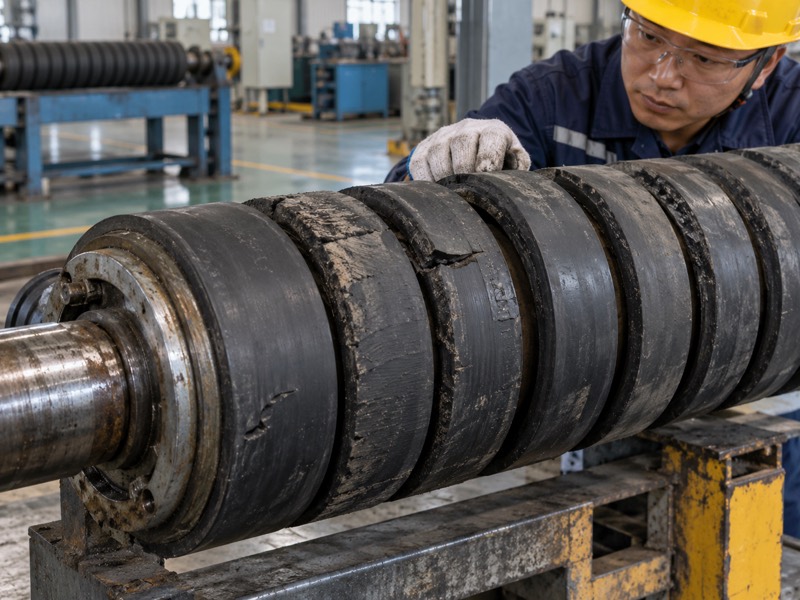
Which observations should you record?
Show damage across the whole working width. A close photograph can reveal a cut but miss widespread diameter change. Check for loose rings and exposed areas that were not intended to contact your belt. If chemical or heat exposure has changed, include that information in your material review.
- Record cuts, missing material and loose rings.
- Note uneven wear across contact bands.
- Describe heat, oil or chemical exposure.
Can remaining appearance predict service life?
Appearance alone cannot support a reliable remaining-life claim. Use approved inspection and replacement criteria. Then keep damage history with operating conditions so your team can investigate repeated faults without guessing at a fixed wear allowance.
| Ring finding | Possible concern | Follow-up |
|---|---|---|
| Local cut | Contact damage | Review material arrival |
| Loose ring | Changed support | Retention assessment |
| Uneven wear | Altered working geometry | Measure contact diameter |
Key Takeaway: Judge rings by approved condition and geometry requirements, with repeat damage linked to transfer evidence.
5. Why does working diameter matter during replacement?
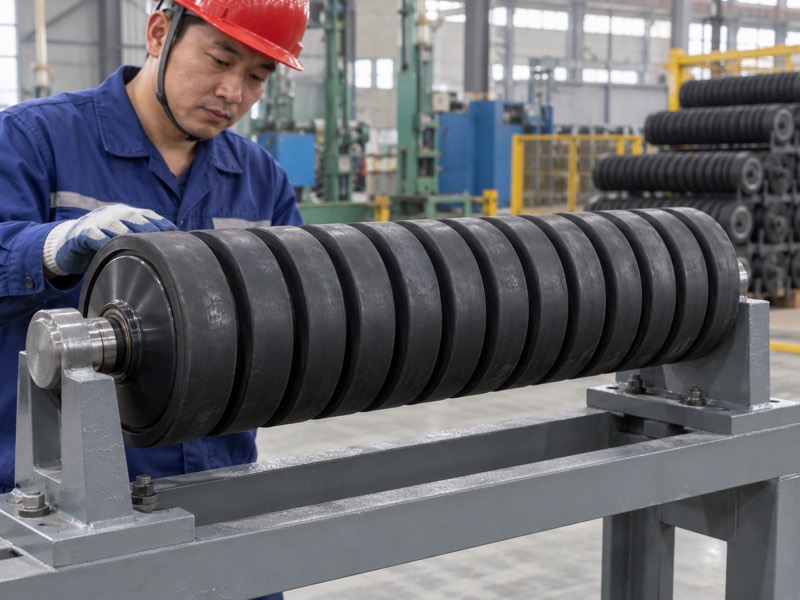
Working diameter matters because an impact roller for belt conveyor installation must maintain approved belt support height. Worn rings can reduce that height or make contact uneven. A new roller with a different diameter may alter skirts and neighboring support relationships. So confirm original working dimensions rather than copying the smallest worn contact area.
What should you compare across an assembly?
Measure center and wing contact separately. Different positions may have different approved lengths or arrangements. Compare measured diameters with the drawing and inspect for uneven contact geometry. Any formal runout check needs an agreed method and reference, so a casual visible wobble remains a reason for controlled measurement.
- Confirm specified working diameter and length.
- Compare ring condition across center and wings.
- Record runout concerns using approved methods.
What needs review when diameter changes?
Check belt elevation, skirt contact and adjacent clearance. If a supplier proposes another size, list its effects for your engineer. A larger-looking replacement doesn’t establish suitable impact duty or mounting compatibility.
| Diameter condition | Possible effect | Required check |
|---|---|---|
| Worn contact | Lower support height | Original working dimensions |
| Uneven rings | Unequal contact | Assembly condition |
| Proposed new size | Changed belt path | Engineering approval |
Key Takeaway: Restore approved working geometry and review every deliberate diameter change before installation.
6. How should you check rotation and end protection?
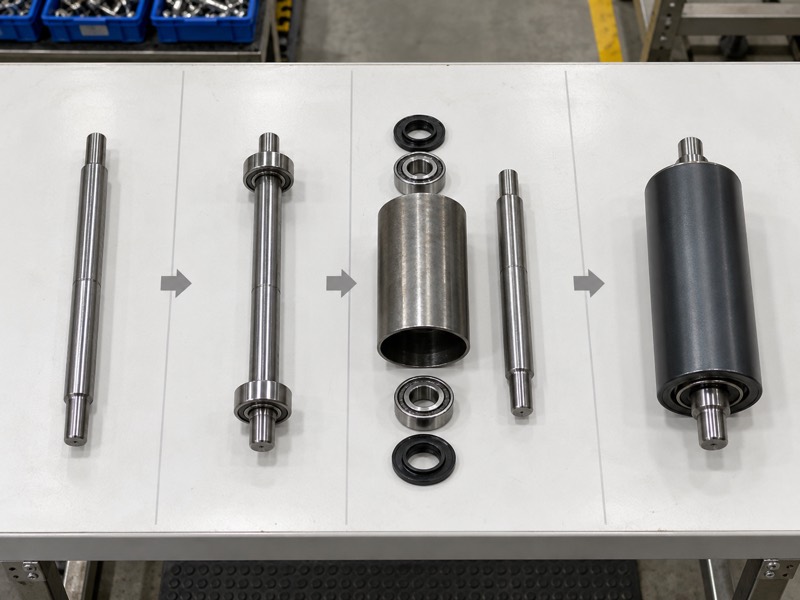
Check an impact roller for belt conveyor service for rough rotation, damaged end protection and external interference after safe isolation. Trapped fines or bracket contact can resist turning without proving internal bearing failure. So clear approved external obstructions before interpreting the result. Follow manufacturer guidance on servicing or replacing sealed construction.
What should happen before physical checks?
Verify a safe state for your task. Apply site-approved hazardous-energy control procedures before approaching or removing rollers. Then use a securely supported component and an approved inspection method. Don’t cut seals, add grease or open a sealed unit unless its service instructions allow that work.
- Inspect end shields and visible seal condition.
- Check frame or guard contact around the shell.
- Record rotation findings and exposure conditions.
How can you assess repeated end faults?
Compare wet areas, dust deposits and cleaning methods at affected stations. If faults occur in the same location, exposure may need review alongside bearings. Preserve removed parts where useful for an approved supplier investigation.
| Finding | Check next | Interpretation limit |
|---|---|---|
| Rough rotation | External interference | Does not identify cause alone |
| Broken protection | Handling or impact damage | Ingress needs further assessment |
| Wet end deposits | Drainage and washdown | Exposure differs by station |
Key Takeaway: Use isolated rotation and protection checks to guide diagnosis without assuming every resistance problem is a bearing seizure.
7. What frame damage should you repair before fitting?
Repair cracked, bent or worn support interfaces before fitting an impact roller for belt conveyor replacement. A new roller cannot restore incorrect bracket geometry. Uneven supports can also alter belt contact across a troughing set. Inspect crossmembers, slots and fasteners during that same job so your replacement returns to sound restraints.

How should you assess the surrounding support path?
Compare neighboring stations as well. Check elevation against adjacent carrying supports and your approved loading layout. If previous shims or repairs changed geometry, record them for review. Avoid bending brackets or adding undocumented packing solely to make a new roller appear aligned.
- Inspect worn slots and incomplete shaft seating.
- Check cracks, loose joints and bent crossmembers.
- Compare support height with approved adjacent geometry.
What should the frame repair record show?
Record defects, approved repair method and final interface checks. Then your maintenance team can distinguish a completed structural repair from a temporary adjustment. Include any changed drawing references in future replacement orders.
| Frame fault | Installation effect | Required repair basis |
|---|---|---|
| Worn slot | Uncertain restraint | Approved interface geometry |
| Bent member | Uneven contact height | Frame drawing |
| Cracked joint | Unsound load path | Authorized structural repair |
Key Takeaway: Restore frame geometry and restraint before installing replacement rollers or approving alignment changes.
8. What clearances should you verify during installation?
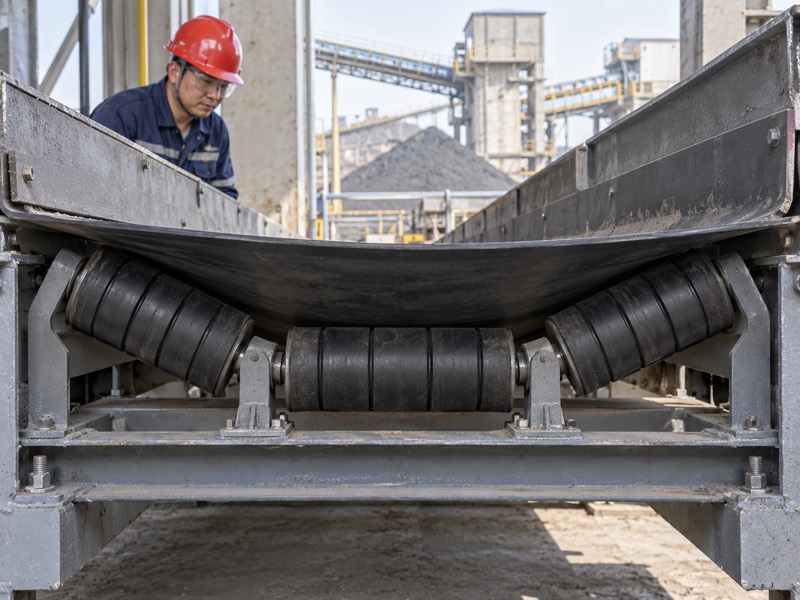
During impact roller for belt conveyor installation, verify clearance from skirts, guards, chute structure and neighboring rollers. Check full shaft seating and working contact height. If dimensions differ from the removed part, use approved drawing requirements as your reference. Resolve interference before release instead of modifying guards or scraping rubber through an informal field adjustment.
Which nearby areas can be overlooked?
Check above and below the impact frame. Belt supports, material deposits and return rollers may occupy the same confined structure. Confirm a safe removal path for later service. A replacement that can be forced into place may still leave insufficient clearance or prevent approved maintenance access.
- Inspect shell ends and neighboring contact areas.
- Confirm skirt, guard and chute clearance.
- Check service withdrawal and handling space.
How should you verify orientation?
Use the approved assembly drawing and installation instructions. If center and wing variants differ, compare part identity before fitting. Record any uncertainty and resolve it before running the belt, rather than using operation as a fit experiment.
| Installation check | Purpose | Evidence |
|---|---|---|
| Seating | Secure shaft engagement | Interface inspection |
| Clearance | Prevent interference | Complete layout |
| Orientation | Correct position and geometry | Part and drawing reference |
Key Takeaway: Verify seating, orientation and complete clearance before releasing an installed replacement.
9. What acceptance checks should your replacement order state?
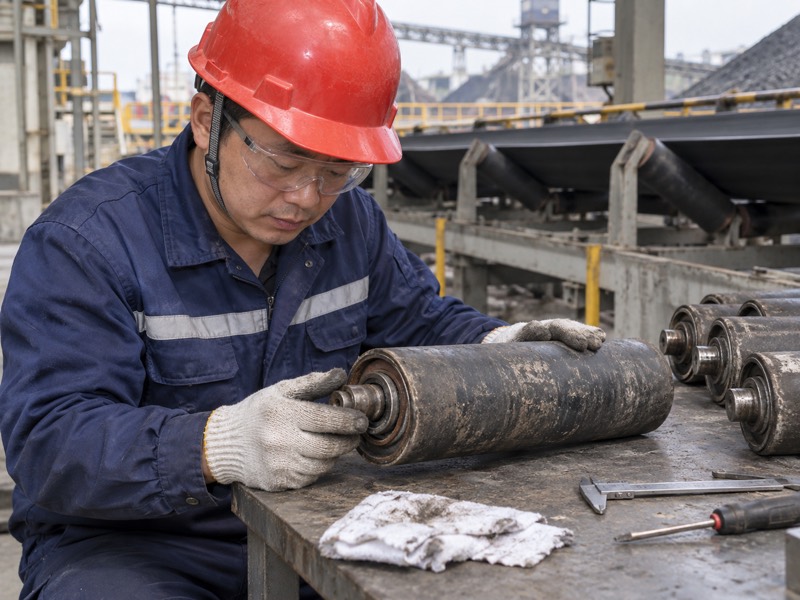
An impact roller for belt conveyor replacement order should state dimensions, ring construction, surface criteria and agreed assembly checks. These items define what your supplier must deliver. If expectations remain vague, receipt inspection may discover a disagreement rather than a defect. Agree on methods, drawing revision and documentation before releasing production.
Which checks make later comparison possible?
Keep the measurement basis consistent. Specify dimension references and formal runout or rotation methods where required. Check packaging damage separately from manufacturing conformity. If an order includes several variants, retain clear identification so your warehouse can match them with intended positions during urgent maintenance.
- Approve working and shaft-end dimensions.
- State ring and assembly inspection requirements.
- Agree on identification and discrepancy handling.
What should you do with a mismatched part?
Hold it from installation and document the relevant dimensions or condition. Then compare findings with the approved order. Resolve whether the issue concerns incorrect supply, damage or an outdated site drawing before approving a substitute.
| Acceptance item | Required record | Use |
|---|---|---|
| Dimensions | Approved drawing and results | Fit confirmation |
| Ring condition | Agreed inspection criteria | Contact acceptance |
| Identity | Variant and revision | Correct stock selection |
Key Takeaway: Define inspection requirements before purchase and resolve discrepancies against the same approved specification.
10. How should you close the replacement and reorder record?
Close an impact roller for belt conveyor replacement record with confirmed fit, completed frame work and safe restart observations. Record whether the original symptom changed under comparable conditions. If damage or poor contact persists, reopen cause checks rather than assuming another identical roller will solve it. Keep accepted dimensions and operating conditions available for later spare orders.
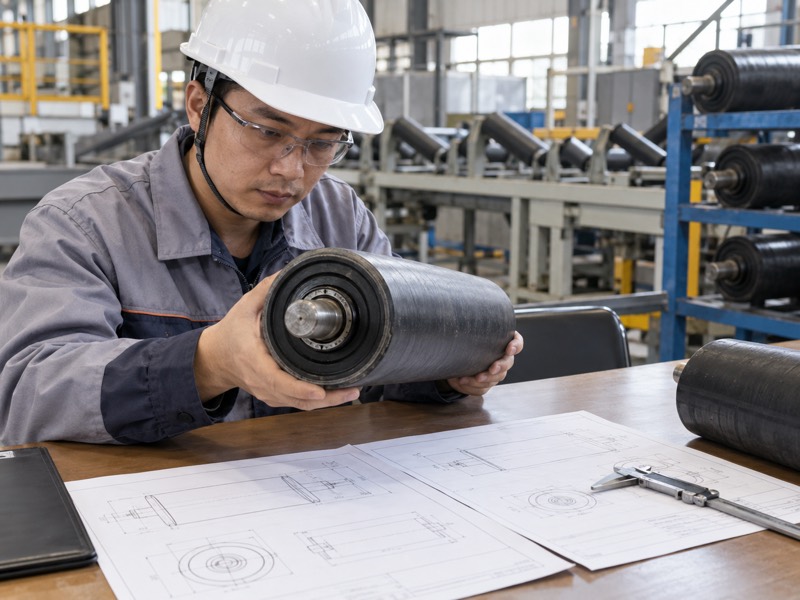
What should your completed work record contain?
Connect the installed part with its result. List part identity, drawing revision and related repairs. Then record approved release checks and any remaining concerns. Your supplier can review repeat damage more usefully when failed parts, operating conditions and replacement history stay tied to the same station.
- Record installed part and drawing revision.
- Confirm frame repairs and restored guarding.
- Add safe operating observations and remaining issues.
What information supports a better reorder?
Send original dimensions alongside wear photographs and material conditions. If a construction change is proposed, request written details and obtain approval before purchase. This preserves fit while making any duty-related change clear to maintenance.
| Completion item | Records | Future value |
|---|---|---|
| Installed specification | Part and drawing | Repeat-order fit |
| Related repairs | Frame and restraint work | Fault history |
| Operating result | Comparable observations | Construction review |
Key Takeaway: Close replacement work with fit and outcome evidence, then use that record for a defined spare specification. For a replacement quotation, contact us with approved dimensions, wear photographs and loading conditions. Request confirmation of shaft engagement, working diameter and proposed ring construction before ordering.
FAQ
Q1: Can I copy dimensions from a badly worn roller? Use it cautiously. Confirm original geometry from drawings or reviewed measurements of sound interfaces.
Q2: How do I know whether rings need replacement? Compare condition, retention and contact geometry with your approved serviceability criteria.
Q3: Can I fit a larger-diameter roller for more protection? Only after engineering review of duty, belt height, clearances and mounting compatibility.
Q4: Should I open a sealed roller to inspect bearings? Only when approved service instructions permit that work.
Q5: What’s the best evidence for repeated ring damage? Keep station references, material conditions, transfer geometry, photographs and verified replacement outcomes together.