
web guide rollers support and redirect continuous material through a defined path; active lateral correction also requires a suitable steering system. If paper wrinkles or film wanders, replacing an idler without checking tension and alignment can leave defects unchanged. Start with your web material and process requirements before specifying any roller.
1. What makes web guide rollers different from belt guides?
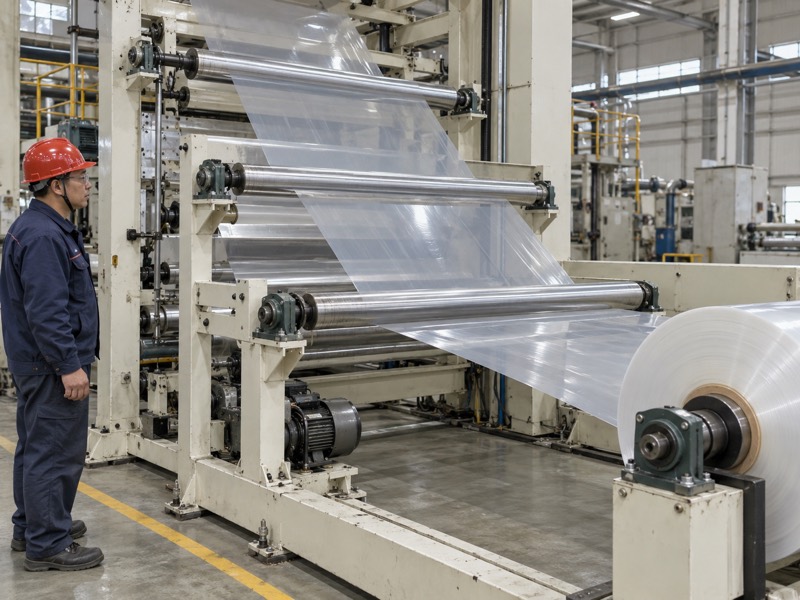
Precision web support handles flexible paper, film or similar continuous material across its working width. Your web guide rollers therefore require attention to surface condition, alignment and rotational behavior. A vertical belt-edge guide intended for bulk conveying performs a different contact function.
Which application are you specifying?
Define what touches your material. A web may wrap around several rollers before printing, coating or winding. Small changes in contact can affect downstream handling. General industrial roller names provide insufficient detail for selecting a component in this process.
- Identify material width, thickness and sensitivity from verified records.
- Mark each roller’s role on a web-path drawing.
- State whether contact supports, redirects, drives or steers material.
Ask suppliers for application suitability before discussing price. Your approved geometry and acceptance requirements should establish what a proposed roller can deliver. Keep any claimed precision or surface capability tied to a drawing and inspection method.
How should you classify roller duties?
| Duty | Contact purpose | Required clarification |
|---|---|---|
| Passive idler | Supports and redirects web | Rotation and alignment |
| Driven roller | Applies controlled surface motion | Drive and traction |
| Steering unit | Corrects lateral position | Sensor and actuator system |
Key Takeaway: Name your process and contact function in every inquiry. A generic guide-roller listing cannot establish compatibility with sensitive web material.
2. Can a passive roller correct lateral web movement?
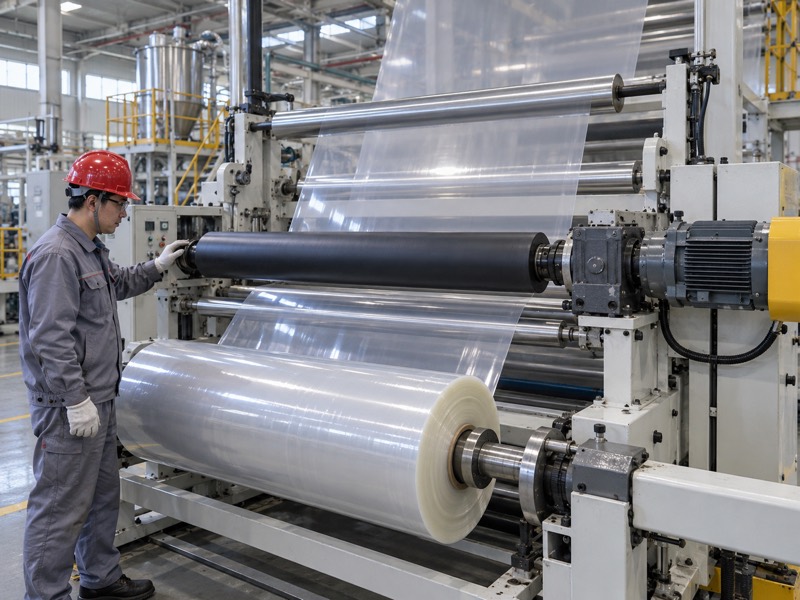
A passive roller can influence web direction through its installed geometry, but it cannot measure error and command active correction. Your web guide rollers in a controlled steering unit work alongside sensing and actuation. Separate fixed support geometry from automatic lateral-position control.
What does an active guide add?
Separate the roller from its control system. A sensor detects an edge, centerline or other approved reference. A controller then commands an actuator within a designed guiding geometry. Each component requires compatible travel, response and material handling conditions.
- Identify your reference method and sensor position.
- Confirm steering-frame geometry and permitted movement.
- Record control interfaces and actuator requirements separately.
A passive idler may provide suitable support while leaving edge-position error unresolved. Conversely, active correction can struggle when upstream tension or alignment remains unstable. Check both mechanical conditions and control behavior before assigning responsibility.
Which behavior points toward which check?
| Observation | Mechanical check | Control check |
|---|---|---|
| Constant lateral offset | Installed alignment | Reference calibration |
| Intermittent hunting | Web tension and contact | Approved response settings |
| No corrective movement | Steering-frame freedom | Sensor and actuator signals |
Key Takeaway: Specify rollers and active guiding hardware as separate requirements. Verify their integration against a complete web-path design.
3. Why do inertia and bearing drag affect handling?
Inertia resists changes in rotational speed while bearing drag adds resistance during rotation. Your web guide rollers must suit available web tension and acceleration. Sensitive material can slip, stretch or lose stable contact when resistance exceeds what its process allows.
What operating details should you provide?
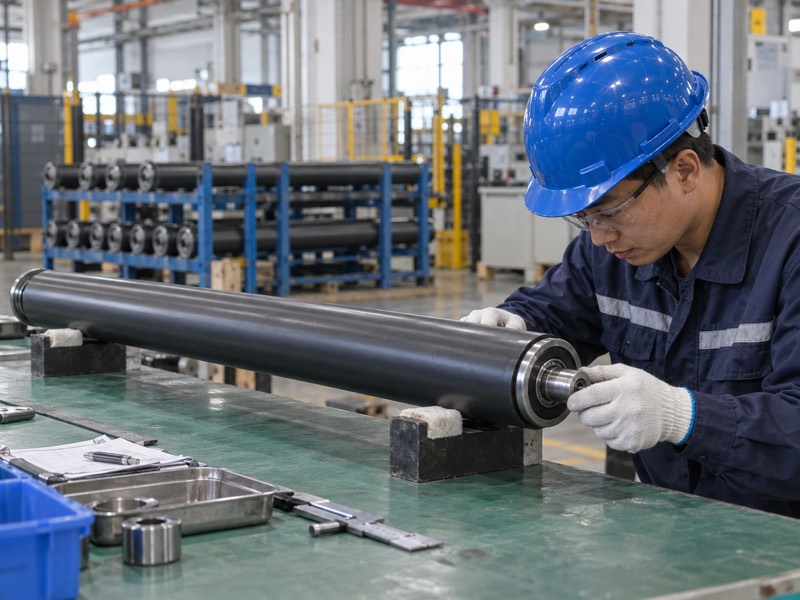
Look beyond a hand-spin demonstration. Rotation during production differs from unloaded movement on a bench. Roller mass distribution, bearings, seals and acceleration all affect behavior. You need a proposal based on actual duty rather than a promise of long free-spin time.
- State normal speed and acceleration from machine records.
- Describe material strength and tension requirements.
- Identify temperature, contamination and mounting orientation.
Bearing selection also changes maintenance requirements. Dead-shaft and live-shaft arrangements distribute rotating parts differently. Confirm which arrangement your machine accepts and how technicians can inspect or service it without disturbing alignment.
What belongs in a rotation review?
| Requirement | Possible concern | Evidence to request |
|---|---|---|
| Frequent acceleration | Rotational inertia | Application calculation |
| Low available tension | Bearing and seal drag | Agreed rotation test |
| Long operating periods | Bearing suitability | Duty-based selection |
Key Takeaway: Give your supplier speed, acceleration and tension conditions. Evaluate rotating resistance through an agreed method relevant to your material.
4. How do runout and balance affect web contact?
Runout changes surface position as a roller turns, while imbalance can create rotating forces. Your web guide rollers with unsuitable geometry may disturb tension or contact. The allowable condition depends on your machine, speed and material rather than a universal precision figure.
Which measurements answer different questions?
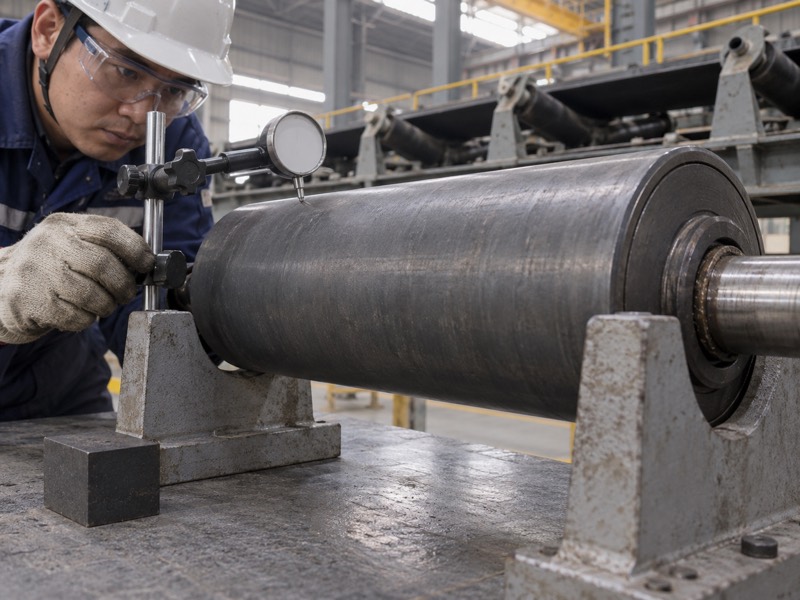
Keep geometric error and dynamic behavior separate. Radial runout describes variation relative to a stated rotational reference. Surface straightness and diameter consistency describe other geometric features. Balance assessment addresses mass distribution and requires an appropriate procedure for your operating duty.
- Define measurement datums and supporting conditions.
- State where runout should be measured across working width.
- Specify any balance requirement independently of geometric inspection.
A photograph cannot demonstrate either acceptable runout or balance. Request records tied to identified parts and agreed methods. Measurement setup matters because a flexible shaft or unsupported mounting can change apparent results.
What should your acceptance plan distinguish?
| Property | Question answered | Acceptance reference |
|---|---|---|
| Radial runout | Does surface position vary? | Defined rotational datum |
| Working-face geometry | Is support consistent across width? | Drawing and measurement setup |
| Balance | Does mass distribution suit duty? | Agreed balance procedure |
Key Takeaway: Write separate acceptance requirements for geometry and balance. Avoid undefined terms such as precision grade in purchasing documents.
5. How should you check alignment across a web path?
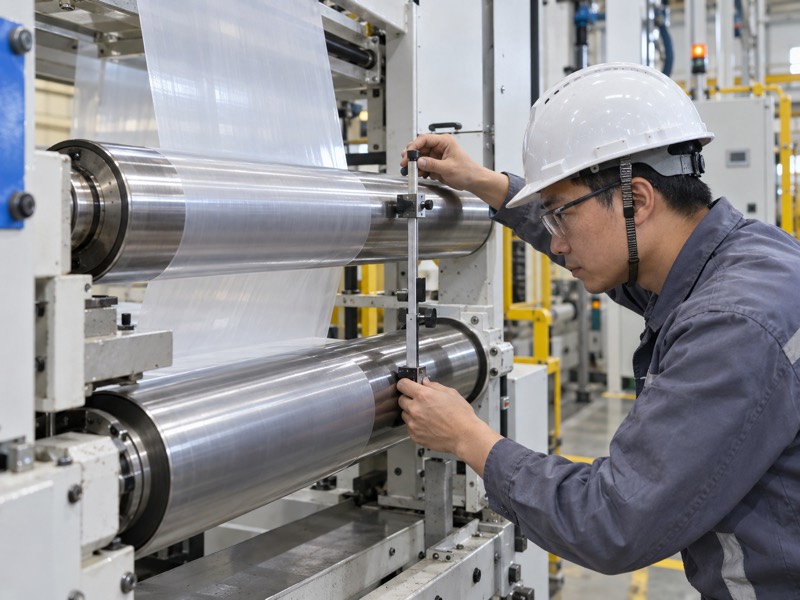
You should check roller axes and mounting references across the relevant span, using an approved alignment method. Your web guide rollers interact with upstream and downstream contact. Correcting one roller against an unreliable neighboring reference may preserve the original error.
Where should your measurements begin?
Establish a stable machine datum before adjustment. Include unwind position, nearby idlers and downstream process stations in your review. Skewed contact can introduce cross-web tension differences. Frame movement or loose bearing mounts can make previously accepted alignment drift.
- Identify reference datums and alignment responsibility.
- Check mounting condition before measuring roller axes.
- Record measurements before and after approved adjustment.
Review thermal movement where operating temperature changes mounting relationships. Don’t claim a universal correction angle without application analysis. Your supplier evaluation should include how alignment-sensitive interfaces are documented and inspected. Follow site-approved lockout/tagout before physical checks.
Which finding suggests which action?
| Finding | Possible source | Action |
|---|---|---|
| Consistent axis skew | Installed geometry | Correct approved alignment |
| Changes after warm-up | Thermal or mounting effects | Review operating condition |
| Position shifts under load | Loose or flexible support | Inspect mount stiffness |
Key Takeaway: Approve a datum and measurement procedure before moving rollers. Keep alignment records with your machine’s current configuration.
6. How does web tension interact with roller selection?
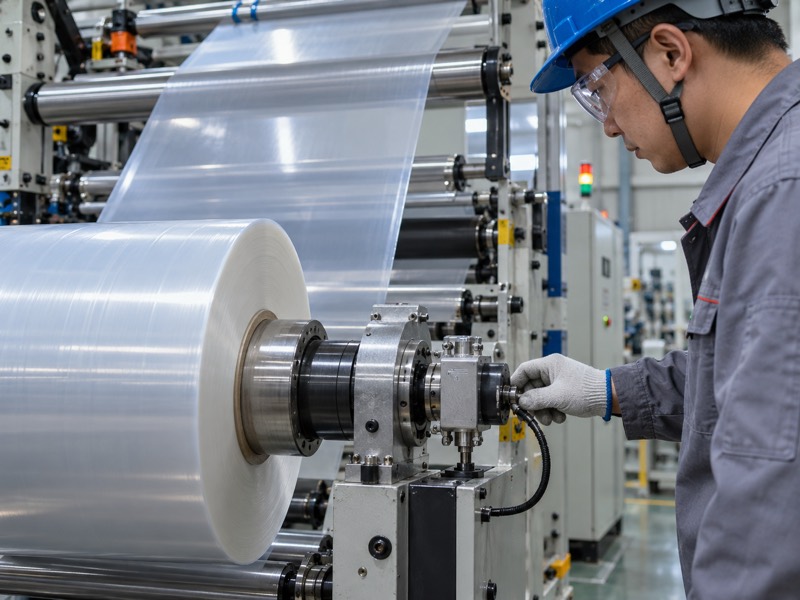
Web tension determines contact force and affects how material follows roller surfaces. Your web guide rollers therefore need review alongside unwind, drive and rewind control. Higher tension can improve contact in some conditions while also increasing stretch, bearing loads or material damage.
Which tension conditions cause trouble?
Check tension across operating changes. A stable setting at steady speed may behave differently during acceleration or roll changes. Wrapping geometry also affects contact and roller loading. Use verified process limits rather than raising tension until visible wandering stops.
- Review tension during starts, stops and normal production.
- Identify tension zones separated by driven stations.
- Record web stretch, slack or intermittent loss of contact.
Material properties constrain adjustment. Thin film, coated stock and extensible webs may respond differently under similar machine settings. Confirm permissible tension with process documentation and material requirements before changing controls.
How should you organize observations?
| Condition | Observation to record | Review target |
|---|---|---|
| Startup | Slack or sudden stretch | Acceleration and control |
| Steady running | Contact and lateral stability | Normal tension zone |
| Roll change | Temporary disturbance | Unwind and splice procedure |
Key Takeaway: Treat tension and roller selection as connected decisions. Adjust within approved material limits and record behavior across operating changes.
7. How do you investigate wrinkles without guessing?
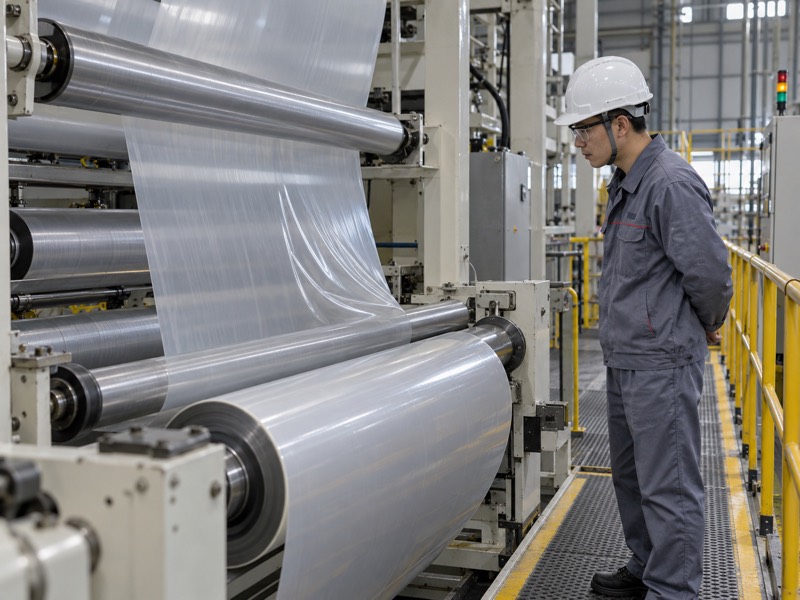
You investigate wrinkles by documenting their pattern and identifying where they appear along the material path. Your web guide rollers may contribute through alignment or uneven contact. Incoming material, tension variation and process geometry can also create folds before a suspect roller.
What does wrinkle location tell you?
Locate the earliest visible defect. Compare material before and after each relevant contact point using safe observation positions. Record whether wrinkles remain fixed across width or shift during production. Preserve samples when your quality procedure allows comparison.
- Identify material batch and machine configuration.
- Record defect position, direction and recurrence.
- Compare wrinkle behavior with speed and tension changes.
Avoid specifying a spreader roller solely because wrinkling appears. Spreading requires appropriate geometry and material behavior. A specialist should assess that requirement separately from ordinary idler replacement.
Which pattern deserves which investigation?
| Wrinkle evidence | Possible relationship | Next check |
|---|---|---|
| Present before roller contact | Incoming material condition | Unwind and material sample |
| Appears after skewed contact | Uneven path or tension | Alignment and wrapping |
| Changes during acceleration | Variable tension or slip | Operating sequence |
Key Takeaway: Document where a wrinkle starts. Ask for a cause review before selecting replacement or spreading hardware.
8. Which surface conditions can mark sensitive material?
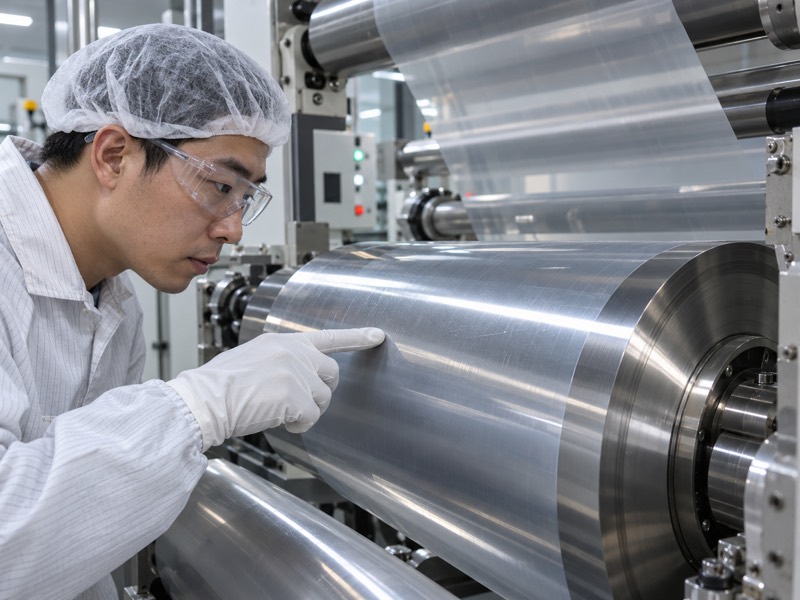
Scratches, deposits, unsuitable coatings and damaged surfaces can mark a contacting web. Your web guide rollers require surface selection matched with your material and process. A finish suitable for industrial belt guidance may not suit printed film, coated paper or adhesive-facing contact.
What should a surface specification include?
Describe what your material must avoid. State whether contact can transfer particles, create impressions or disturb a coating. Include cleaning chemistry and process temperature where applicable. Don’t select a surface merely because it looks smooth during a sales inspection.
- Identify contacting material face and sensitivity.
- Specify finish requirements through an agreed inspection method.
- Confirm cleaning products and contamination exposure.
Static behavior may require specialist review for insulating materials. Grounding or surface treatment must follow machine design and process requirements. Procurement should request evidence for proposed treatments rather than assuming every metal roller solves static concerns.
Which requirement belongs on your drawing?
| Contact sensitivity | Surface concern | Buyer requirement |
|---|---|---|
| Printed face | Marks and contamination | Agreed surface inspection |
| Adhesive-facing contact | Deposits and sticking | Compatibility assessment |
| Thin transparent film | Scratches or impressions | Representative trial |
Key Takeaway: Select a surface against actual material sensitivity. Include cleaning and contact-face requirements in your quotation package.
9. How do you verify a roller before production use?
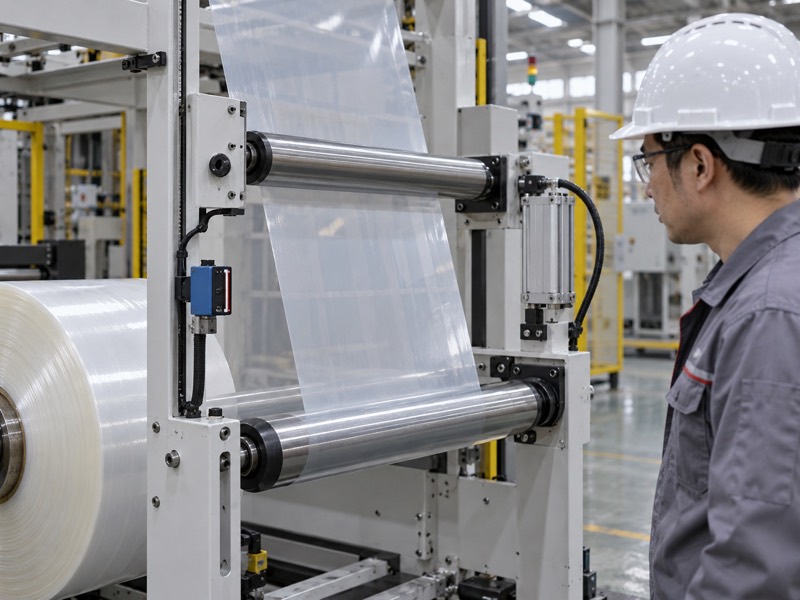
You verify dimensions, rotation, geometry and material compatibility against an agreed acceptance plan. Your web guide rollers then need controlled installation and a representative process trial. Bench inspection and machine performance provide different evidence.
What makes a trial representative?
Use your actual material and defined operating conditions. Identify which quality outcomes technicians should record before starting. Include relevant acceleration and steady-running conditions within approved procedures. A short empty-machine run cannot demonstrate sensitive-material handling.
- Confirm mounting interfaces and inspection records.
- Check rotation, alignment and any guiding-system integration.
- Record wrinkles, marks and lateral movement during trials.
Keep trial conditions traceable. A later change in material, tension or roller arrangement can invalidate a comparison. If results fail acceptance, preserve measurements and samples before changing multiple settings.
What evidence supports release?
| Stage | Evidence | Release decision |
|---|---|---|
| Incoming inspection | Dimensions and geometry | Fits approved design |
| Installation | Alignment and rotation | Ready for controlled trial |
| Material trial | Contact and quality observations | Meets agreed process criteria |
Key Takeaway: Release a roller through documented inspection and material testing. Define acceptance before its arrival rather than after a production defect.
10. What should your web-roller inquiry contain?
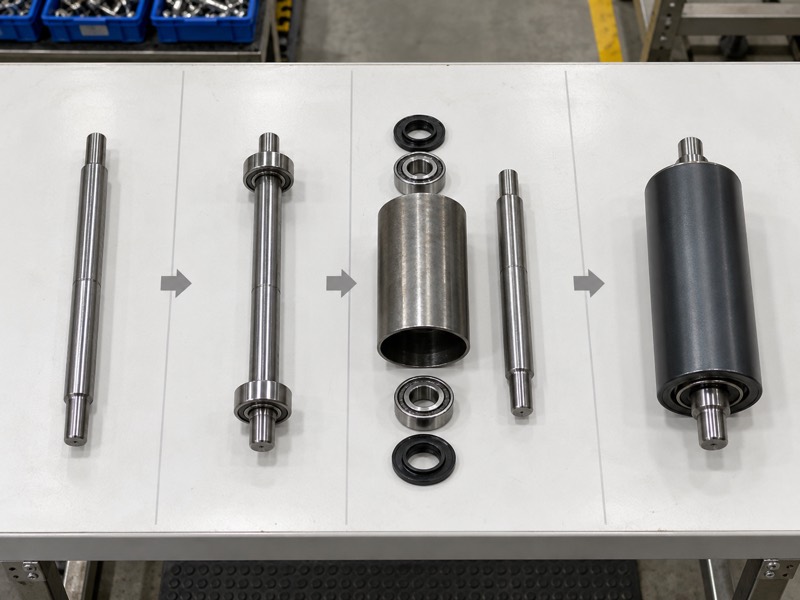
Your inquiry should contain a web-path drawing, material details, duty conditions and measurable acceptance requirements. Your web guide rollers need explicit application review before purchase. General industrial guide products should be treated as candidates requiring confirmation rather than automatic precision-web replacements.
How should you request a proposal?
Make unresolved requirements visible in your inquiry. Ask which drawing interfaces and performance criteria a supplier can support. Request deviations and test methods in writing. Use your machine builder or process specialist where roller changes affect tension or active guiding.
- Include working width, shaft arrangement and installation drawing.
- State material sensitivity, operating duty and cleaning conditions.
- Define inspection evidence and trial acceptance responsibility.
Prepare those records before making a technical inquiry. Clarify whether your project needs a passive roller or an integrated guide system. Those answers prevent mismatched quotations from progressing into production decisions.
Which document resolves which uncertainty?
| Document | Uncertainty addressed | Responsible reviewer |
|---|---|---|
| Web-path drawing | Contact and guiding geometry | Process engineer |
| Component drawing | Fit and precision requirements | Mechanical engineer |
| Acceptance plan | Inspection and trial outcome | Quality and operations |
Key Takeaway: Purchase against an approved application package. Ask for written suitability and deviations before placing your order.
FAQ
Q1: Can I use a conveyor edge guide for film? Only after application review. Bulk-belt edge guidance and full-width precision web contact have different requirements.
Q2: What’s the best way to measure runout? Use an agreed datum and fixture. Specify measuring locations and supporting conditions on your acceptance plan.
Q3: Can higher tension remove wrinkles? Sometimes tension changes affect wrinkles. Stay within material limits and investigate alignment, contact and incoming stock.
Q4: How do I know whether active guiding is needed? Define permissible lateral movement. Compare actual process behavior with mechanical alignment and control requirements.
Q5: Can a smooth roller prevent every surface defect? No. Deposits, coating compatibility, cleaning and material sensitivity also affect contact quality.
Send your web-path drawing and acceptance requirements when you contact us for an application suitability review.