
Rock bolt storage and handling controls preserve steel hardware identity and condition between receipt and issue. A delivery may arrive correctly labeled yet become mixed or damaged during unpacking and transfers. Set up a custody record before receiving steel bolt assemblies. Use supplier instructions for actual lifting, stacking, and storage limits rather than inventing warehouse rules for every model.
1. What should receiving staff check before unloading?
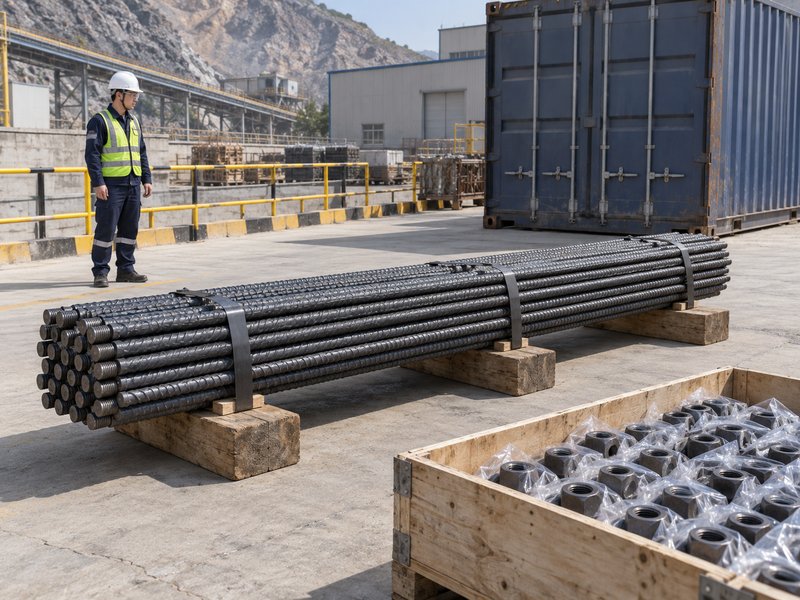
Receiving staff should check shipment identity, packaging condition, handling instructions, and the planned unloading arrangement before materials move. Rock bolt storage and handling begins at that handover. An unchecked unloading shortcut can make later damage attribution difficult.
Inspect the delivery as received
Record the unopened condition. Photograph visible packaging damage and compare package identification with shipping documents. Ask the supplier about unclear lifting provisions before using them. Select handling equipment through competent site personnel using actual package mass, geometry, and approved procedures. This article supplies no universal lifting points or equipment capacities.
- Match delivery references with purchase and packing records.
- Record visible movement, broken restraints, or damaged packaging.
- Assign a safe receiving location and responsible receiver.
Receiving handover record
Use bolt-family descriptions for identification context only. Hold unclear consignments for review before mixing them with accepted inventory.
| Incoming check | Evidence | Initial action |
|---|---|---|
| Shipment identity | Packing and order references | Resolve mismatch |
| Packaging condition | As-received photographs | Preserve damage evidence |
| Handling instructions | Applicable supplier document | Clarify before movement |
Key takeaway: inspect before unpacking. Preserve a clear record of the condition transferred from carrier to warehouse.
2. How do you preserve hardware identification?
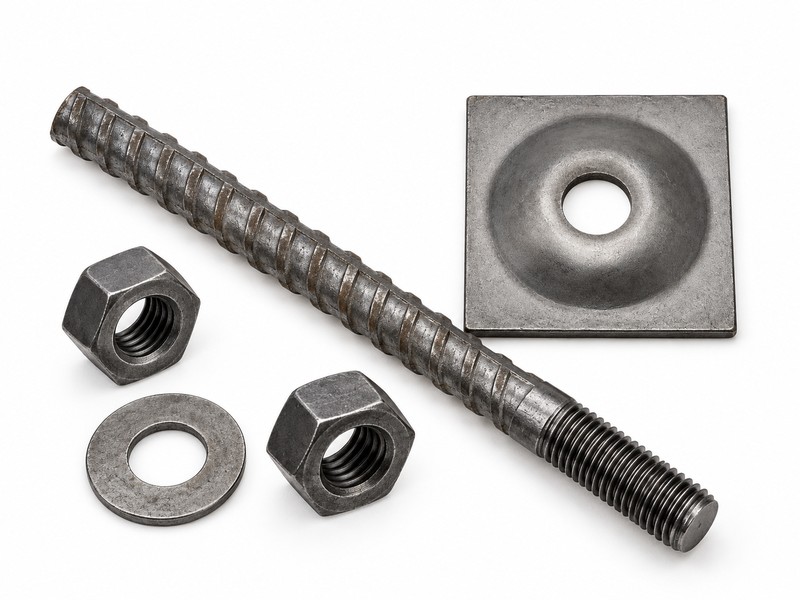
Preserve identification by keeping product, size, lot, and quantity records connected with each physical storage group. A label attached only to discarded wrapping can disappear during unpacking. Plan replacement identification before opening packages.
Keep the physical and digital records together
Label the new storage unit. If one package becomes several bins or racks, transfer approved identity information to each new group. Retain the original package reference within your records. Avoid identifying bolts solely by visual length or apparent diameter when drawings, finish, or component compatibility differ.
- Record each split package and its new storage location.
- Separate components with different drawing or purchase identities.
- Keep unidentified items outside normal issue stock.
Identification controls
Store nuts, washers, and other accessories with traceable references even when supplied separately. Ask receiving staff to demonstrate one item’s route back to its purchase record.
| Storage unit | Identity retained | Mixing risk |
|---|---|---|
| Original package | Supplier reference | Damaged or lost label |
| Split bundle | Original and new location references | Partial package loses origin |
| Accessory bin | Component and lot identity | Visually similar parts combined |
Key takeaway: transfer identification before discarding packaging. A storage location should support traceability without relying on one person’s memory.
3. Which checks belong after unpacking?

Post-unpacking checks should cover quantity, visible condition, component identity, and any inspection required by your purchase documents. Warehouse staff should record observations without inventing acceptance limits. Suspect items need a documented disposition by an authorized reviewer.
A damaged thread crest and a bent shaft are different receiving observations. The former concerns a mating interface, while the latter concerns overall geometry. Keep their records separate so the reviewer can request the relevant inspection rather than a generic damage clearance.
Inspect features vulnerable during transport
Look at contact surfaces closely. Threads, end features, coatings, and long unsupported sections deserve attention during receiving. Compare observations with supplier instructions and approved specifications. A photograph can support review, but it cannot establish hidden material properties or certify straightness beyond a defined inspection method.
- Record visibly bent bars, damaged threads, and displaced accessories.
- Note packaging abrasion or damaged protective finishes.
- Separate quantity discrepancies from condition discrepancies.
Incoming-condition record
Include bearing plates in inspection groups where supplied. Refer unusual plate deformation or mismatched accessories for technical review.
| Observation | Record | Disposition route |
|---|---|---|
| Visible deformation | Item identity and photographs | Authorized technical reviewer |
| Thread damage | Affected component group | Supplier or quality review |
| Quantity discrepancy | Count and packing reference | Procurement reconciliation |
Key takeaway: describe what staff observed. Keep acceptance decisions tied to applicable specifications and designated responsibilities.
4. What makes a storage location suitable?
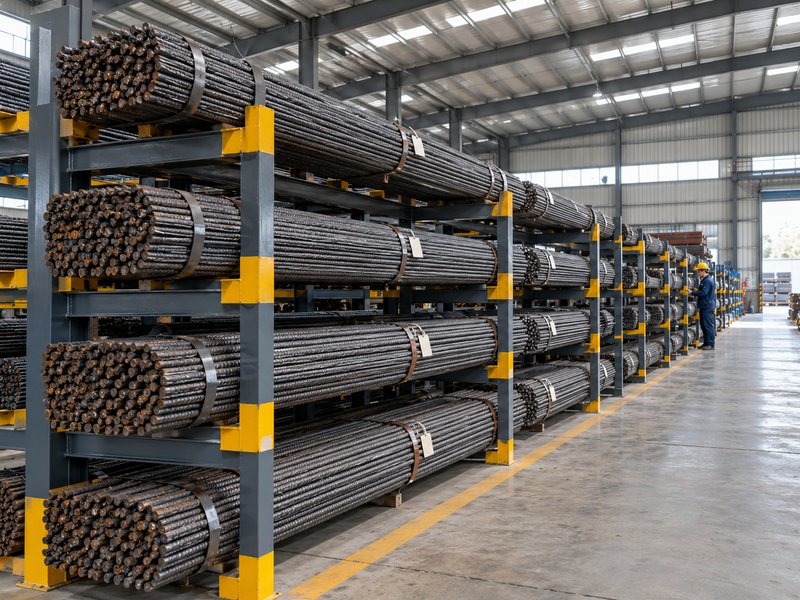
A suitable location supports hardware safely, preserves identification, and follows applicable supplier protection requirements. Rock bolt storage and handling conditions differ by product and packaging. Do not invent one stack height or storage duration for every steel bolt.
A long bundle can remain packaged while its supports shift during storage. Check both hardware protection and the arrangement carrying its weight. Supplier packaging guidance should explain whether original restraints have any role beyond transportation.
Match the location with the package
Protect the complete length. Long hardware needs suitable support and access arrangements selected for its actual geometry and packaging. Manufacturer handling guidance for specific steel bolts includes covered, off-ground storage and protection from mechanical damage. Treat those as product-specific instructions and obtain the equivalent document for purchased hardware.
- Keep labels accessible for inspection and issue.
- Plan access without dragging adjacent components.
- Review exposure, drainage, and contact conditions against supplier guidance.
Storage-location review
For hollow-bar stock, ask about end protection and packaging requirements. Approve location suitability before allocating space.
| Location feature | Buyer check | Document needed |
|---|---|---|
| Support arrangement | Suits package geometry | Approved handling plan |
| Exposure protection | Fits product instructions | Supplier storage guidance |
| Access and identification | Inspectable without disturbance | Warehouse location record |
Key takeaway: approve locations for defined packages. A free patch of floor does not establish a suitable storage arrangement.
5. How should internal transfers be controlled?
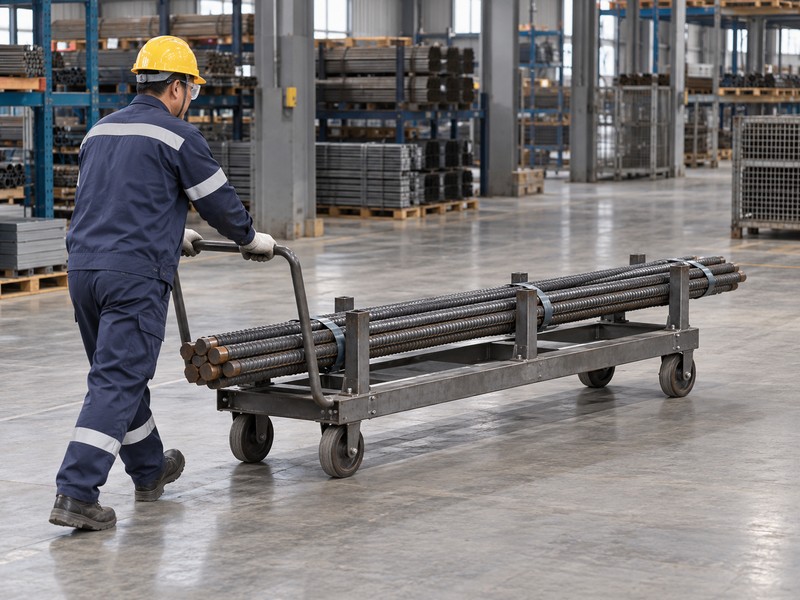
Control internal transfers through approved handling methods, preserved identification, and a recorded destination. Each movement creates another chance for contact damage or identity loss. Keep the transfer route consistent with actual package dimensions and equipment arrangements.
Treat repacking as another handover
Check before releasing restraints. Packaging restraints may keep long components together and should only be opened under an approved receiving or repacking procedure. Workers need clear roles and safe positions around stored material. Use competent site personnel to plan movement without standing beneath suspended loads or near uncontrolled rolling hardware.
- Confirm source and destination before moving stock.
- Retain identity when bundles are split or repacked.
- Inspect new visible damage after unusual handling events.
Transfer record
A tunnel delivery location may involve additional transport constraints. Document custody changes rather than assuming warehouse acceptance covers every later journey.
| Transfer stage | Record | Check at handover |
|---|---|---|
| Pick-up | Source and package identity | Approved handling arrangement |
| Repacking | New storage unit reference | Identity preserved |
| Delivery | Destination and receiver | Visible condition and quantity |
Key takeaway: record transfers as handovers. Investigate damage while its location and handling history remain recoverable.
6. When should hardware be segregated?

Segregate hardware when identity, condition, or conformity remains unresolved under your quality process. Segregation prevents accidental issue while a reviewer decides its disposition. It does not automatically mean every affected item must be scrapped.
Give held stock a clear status
Keep review stock physically distinct. Provide a controlled location and a record explaining why items were held. Staff should recognize the status without reading an engineer’s entire email chain. Block issue until an authorized release, return, repair, or rejection decision has been recorded.
- Identify affected quantities and original package references.
- Record the observation that triggered segregation.
- Assign a reviewer and track the outstanding decision.
Segregation categories
Keep split-set hardware in its correct product group when evaluating transport damage. Avoid assuming deformation has the same consequence for every bolt geometry.
| Hold reason | Record | Release basis |
|---|---|---|
| Identity uncertain | Available references | Identity restored and approved |
| Visible damage | Photographs and affected count | Authorized technical disposition |
| Document mismatch | Missing or conflicting evidence | Quality review closed |
Key takeaway: make hold status visible and enforceable. A note in a spreadsheet cannot prevent accidental picking by itself.
7. How do you manage opened packages and remnants?

Manage opened packages through updated quantities, retained identity, and suitable protection under supplier guidance. Part packages often lose the packaging that kept items organized. Reconcile physical contents whenever stock is split or returned.
Loose nuts and washers can migrate between opened packages more easily than long bars. Returning them to a convenient bin can break component identity. Preserve their original references even when the remaining quantity looks too small for a separate container.
Preserve the remaining package function
Repack with a purpose. Determine which original protections still matter after opening, such as separation, end protection, or stable containment. Do not assume loose remnants can share a bin because their appearance matches. Returned site stock also needs condition and identity review before rejoining accepted inventory.
- Update remaining quantity after every split issue.
- Keep accessories connected with their product references.
- Separate unverified returns from warehouse stock.
Remnant controls
If separate installation records accompany site returns, retain them as context. This warehouse process does not decide whether returned hardware is suitable for installation.
| Stock state | Control needed | Issue risk |
|---|---|---|
| Opened bundle | Quantity and identity update | Unrecorded shortage |
| Loose accessories | Separate component references | Mixed compatibility |
| Site return | Condition and custody review | Unknown history re-enters stock |
Key takeaway: treat remnants as controlled inventory. Preserve enough evidence for another receiver to identify and inspect them.
8. What should routine warehouse inspections cover?

Routine inspections should check storage condition, package stability, identification, and visible changes since receipt. Their frequency should follow your product guidance and site risk assessment. This article provides no universal inspection interval.
Look for changes in condition and access
Inspect the storage arrangement too. A package may remain intact while nearby activities obstruct access or expose it to damage. Record displaced supports, damaged restraints, water entry, or lost labels when observed. Ask authorized staff to review changes before normal picking resumes where condition remains uncertain.
- Check identification readability and location accuracy.
- Note exposure changes and visible surface damage.
- Review held-stock boundaries and overdue dispositions.
Warehouse inspection record
Use dated observations with location references so teams can track recurring problems. Assign a person responsible for closing each corrective action.
| Inspection area | Observation | Closure action |
|---|---|---|
| Package support | Movement or damage | Review storage arrangement |
| Identification | Missing or unreadable reference | Restore verified identity |
| Exposure and access | Changed surroundings | Correct and document condition |
Key takeaway: inspect conditions that can change. Close warehouse actions before they become unexplained defects at site receipt.
9. What must happen before stock is issued?
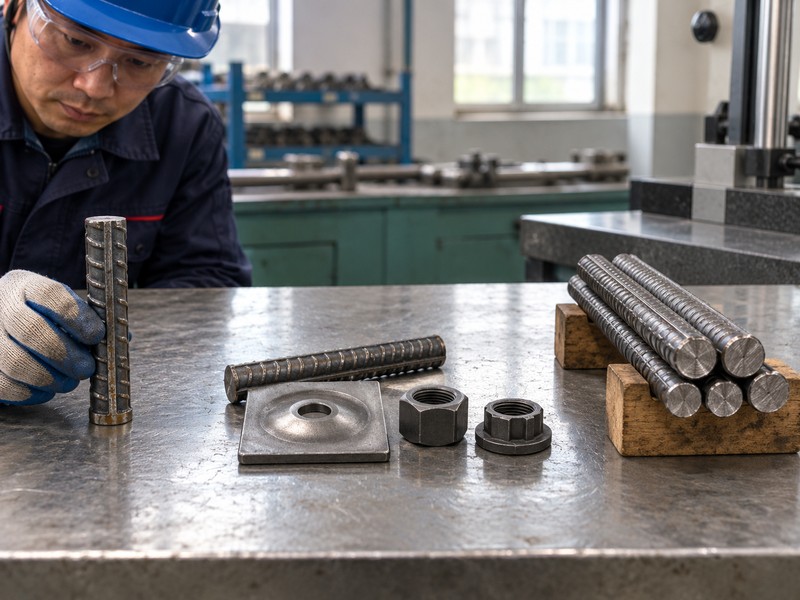
Before issue, staff should match the request, confirm release status, check quantity, and preserve identity through dispatch. The issue record closes warehouse custody and begins another handover. Do not substitute visually similar stock without authorized review.
Match the request with released inventory
Check the whole issue group. Confirm bolts and separately packed accessories against approved item references. Review whether any held-stock decision affects that batch. Product-specific inventory rotation guidance may help picking order, but it does not override condition checks or technical compatibility.
- Verify item and drawing references where supplied.
- Check quantities and required accompanying documents.
- Record receiver, destination, and dispatch condition.
Issue-release record
Ask the receiving site to acknowledge discrepancies promptly. Preserve enough information to identify affected stock without placing unrelated inventory on hold.
| Release check | Evidence | Handover purpose |
|---|---|---|
| Correct item | Approved request match | Prevent substitution |
| Released status | Closed quality actions | Prevent held-stock issue |
| Traceable dispatch | Quantity and destination | Recover custody history |
Key takeaway: issue identified, released stock. Keep substitutions within a documented procurement and engineering approval route.
10. What should your supplier handover package request?

Request product identification, packaging details, applicable handling and storage instructions, and a damage-review contact route. Rock bolt storage and handling works better when those documents arrive before materials. Have warehouse personnel review whether your facilities can follow the proposed requirements.
Make receiving needs part of the order
Ask before dispatch. Request package mass and dimensions through verified shipment documents, plus any approved lifting or stacking instructions. Ask how labels survive split-package handling and which visible conditions require supplier review. Obtain product-specific instructions rather than applying another manufacturer’s numerical rules.
- Specify identification needed on shipping and internal records.
- Request instructions for opened packages and protective materials.
- Agree how receiving damage and document discrepancies will be reported.
Prepare the first receiving shift
| Closure check | Action to retain |
|---|---|
| 1 | Specify identification needed on shipping and internal records. |
| 2 | Request instructions for opened packages and protective materials. |
| 3 | Agree how receiving damage and document discrepancies will be reported. |
Walk receiving staff through one proposed package and its destination. For a hardware and packaging discussion, contact us with your delivery constraints and custody requirements. Request actual shipment details before approving unloading arrangements.
Q1: Can I set one stacking limit for every rock bolt? No. Package construction, geometry, mass, and supplier instructions differ. Have competent personnel approve the actual arrangement.
Q2: How do I know if visible rust requires rejection? Use applicable product specifications and authorized technical review. A generic storage article cannot establish that acceptance limit.
Q3: What’s the best way to handle unidentified loose bolts? Segregate them. Restore verified identity and obtain release approval before returning them to normal issue stock.
Q4: Can returned site hardware go straight into inventory? Only after an approved review. Identity, condition, and handling history may differ from warehouse-controlled stock.
Q5: Does this process set resin cartridge shelf life? No. Resin products need their own manufacturer instructions, storage controls, and expiry management outside this steel-hardware workflow.