
ASTM F432 is a specification addressing roof and rock bolts and related accessories within its stated scope. A quotation bearing that reference still needs identifiable products and reviewable supporting evidence. Build a purchasing file around the actual steel bolt assembly offered. Use an authorized copy of the applicable edition for detailed acceptance decisions.
1. What does the public ASTM F432 scope establish?

The public ASTM F432 scope establishes a specification covering chemical, mechanical, and dimensional requirements for identified ground-support product families. It does not establish that a particular supplier’s product complies. Your purchase file needs product-specific evidence and the applicable full text.
Separate scope from conformity
Begin with the offered item. Confirm that the product description falls within the relevant specification scope before requesting evidence. Public summaries name several bolt and accessory categories, but they cannot replace detailed applicability review. This article uses the official public page and makes no claim about unread clauses or numerical limits.
- Identify the item and proposed assembly configuration.
- Record the standard edition required by your purchase documents.
- Assign a qualified reviewer with access to applicable requirements.
Scope-review record
Use bolt type descriptions for initial terminology. Let the technical reviewer establish actual product classification.
| Evidence level | What it establishes | Remaining review |
|---|---|---|
| Public scope | Broad specification coverage | Detailed applicability |
| Supplier statement | Claimed conformity | Supporting evidence |
| Product records | Identified observations or results | Acceptance against full requirements |
Key takeaway: a standard reference starts the review. It does not close product acceptance by itself.
2. Which edition should purchase documents identify?

Purchase documents should identify the edition selected by your project or contract, with any approved deviations stated separately. The official page checked on October 20, 2026 lists ASTM F432-19(2026) as active. That observation does not change your existing contract automatically.
Keep edition selection explicit
Resolve the reference before bidding. A bare F432 label can leave parties using different document versions. Ask the project authority to confirm the required edition and how revisions will be handled. Avoid assuming that a supplier’s older report becomes invalid or acceptable solely from its date.
- Record the complete standard designation in procurement documents.
- Preserve project amendments and approved exceptions.
- Require bidders to identify the edition behind their statement.
Edition-control matrix
Include bearing plate orders within the same document-control process where applicable. Review accessory requirements with the full specification.
| Document | Edition field | Review question |
|---|---|---|
| Project specification | Required designation | Which requirement governs? |
| Supplier offer | Claimed designation | Same edition or exception? |
| Supporting report | Referenced method or specification | Applicable evidence? |
Key takeaway: control edition references across documents. Resolve differences through authorized review rather than silently changing an order.
3. How should the complete assembly be identified?
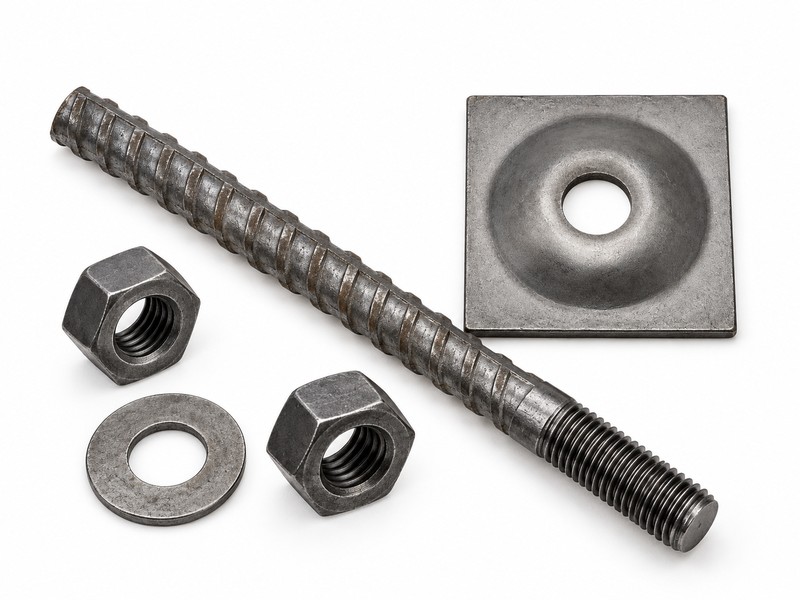
Identify the complete assembly through drawings, item codes, component descriptions, and supplied condition. A bar certificate cannot identify every nut, washer, plate, or anchorage component in a shipment. Keep separate items traceable even when sold as one kit.
Build a component schedule
List what arrives together. Record which supplier provides each part and which drawing controls its geometry. Note coatings, thread identification, and other purchase-defined attributes without inventing requirements from the public abstract. Interface compatibility needs evidence for the proposed assembly rather than confidence based on visual fit.
- Identify every ordered component and drawing revision.
- Record approved substitutes before shipment.
- Connect kits with their included component references.
Assembly identity table
For self-drilling hardware, identify bars, joints, and relevant end components separately. Ask your reviewer to determine applicable requirements.
| Identity layer | Record | Risk if missing |
|---|---|---|
| Individual component | Item and drawing | Wrong variant accepted |
| Supplied condition | Purchase-defined finish and state | Uncontrolled substitution |
| Assembly | Component schedule | Incomplete evidence coverage |
Key takeaway: accept identified components. A standard label on a kit does not reveal which parts its documents actually cover.
4. What should chemical evidence be connected with?
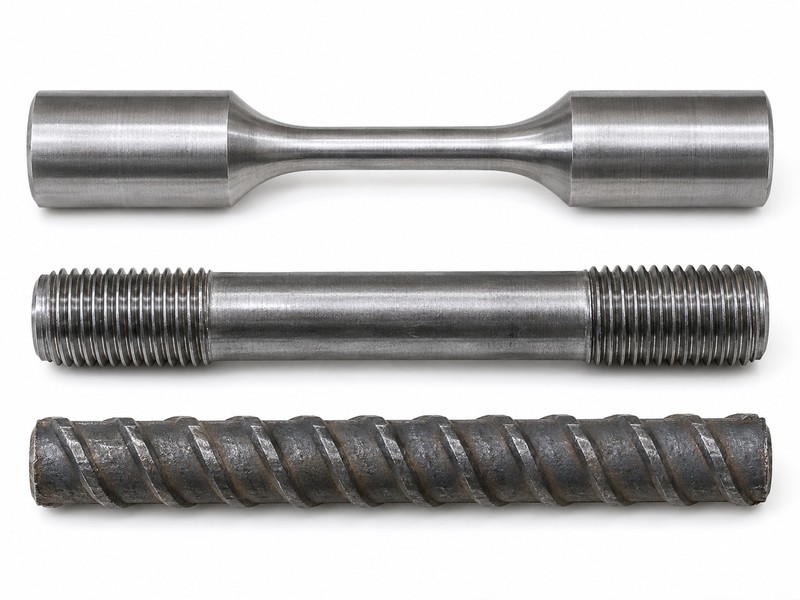
Chemical evidence should connect the reported material identity with the products or lots you are reviewing. The public scope includes chemical requirements, but detailed limits require the applicable specification. A material certificate needs a traceable relationship with delivered hardware.
Follow material identity into the order
Trace the reported material. Check who issued the record, which material it describes, and how its identification reaches finished products. Ask how manufacturing or assembly records preserve that link after material is cut or grouped. Do not infer delivered chemistry from a generic brochure listing a possible grade.
- Record material and heat or other applicable source identifiers.
- Link those identifiers with relevant finished-product records.
- Flag missing links rather than assuming continuity.
Chemical-record review
Include separately supplied accessories when your purchase requires their material evidence. Ask the technical reviewer to determine applicable acceptance criteria.
| Evidence field | Review purpose | Gap to resolve |
|---|---|---|
| Issuer and material identity | Understand source record | Unidentified certificate |
| Source identifier | Trace reported material | Delivered stock disconnected |
| Finished-item link | Connect order and evidence | Generic grade statement only |
Key takeaway: review the identity chain before chemistry values. A genuine certificate can still concern material outside your shipment.
5. What should mechanical reports make clear?
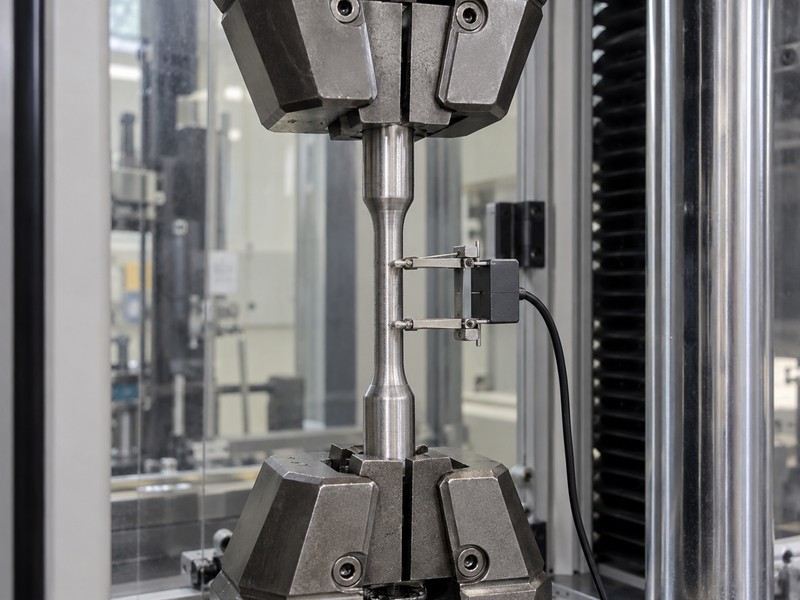
Mechanical reports should make specimen identity, reported quantities, test basis, and relevant results clear enough for qualified acceptance review. The official abstract lists tensile and elongation testing among test families. Detailed methods and limits belong to the full applicable documents.
Read the result’s physical meaning
Keep specimen and quantity together. A force value, a stress value, and an elongation result describe different quantities. Ask which specimen geometry and calculation basis apply. Check whether evidence concerns material, a finished component, or an assembly before assigning it to an entire delivery.
- Identify tested specimens and their order or lot connection.
- Preserve methods, units, and reported deviations.
- Request the basis for any summarized conformity conclusion.
Mechanical-evidence register
Your tunnel project requirements may request other evidence. Keep that requirement source distinct from the public ASTM summary.
| Report field | Buyer question | Required connection |
|---|---|---|
| Specimen | What was tested? | Product identity |
| Quantity | Force, stress, or deformation? | Method and units |
| Conclusion | Which criteria were applied? | Applicable full requirements |
Key takeaway: read results before conformity labels. Ask a qualified reviewer to compare the right quantities with the right requirements.
6. How should dimensional evidence be reviewed?

Review dimensional evidence against identified drawings and applicable purchase requirements, using a documented measurement basis. The public scope confirms dimensional coverage without supplying every tolerance. Do not create acceptance dimensions from catalogue photographs.
Connect measurements with interfaces
Check where parts meet. Thread interfaces, bearing contacts, overall geometry, and component openings can affect assembly compatibility. Ask which features were measured and how sample identities connect with the order. A few selected dimensions do not establish every requirement unless the applicable inspection plan says so.
- Identify drawing revisions and measured features.
- Record measurement equipment and reported units where relevant.
- Keep unmeasured or undocumented features visible as gaps.
Dimensional-review schedule
A friction bolt item may require a different feature schedule from a threaded bar. Obtain the relevant inspection basis for each item family.
| Feature group | Evidence | Review concern |
|---|---|---|
| Overall geometry | Drawing and measurement record | Correct ordered variant |
| Interfaces | Relevant feature measurements | Compatible mating parts |
| Uncovered features | Inspection-plan gap | Unsupported acceptance assumption |
Key takeaway: match measurements with controlled drawings. Resolve undocumented features through the inspection plan rather than visual reassurance.
7. What evidence belongs to plates and other accessories?
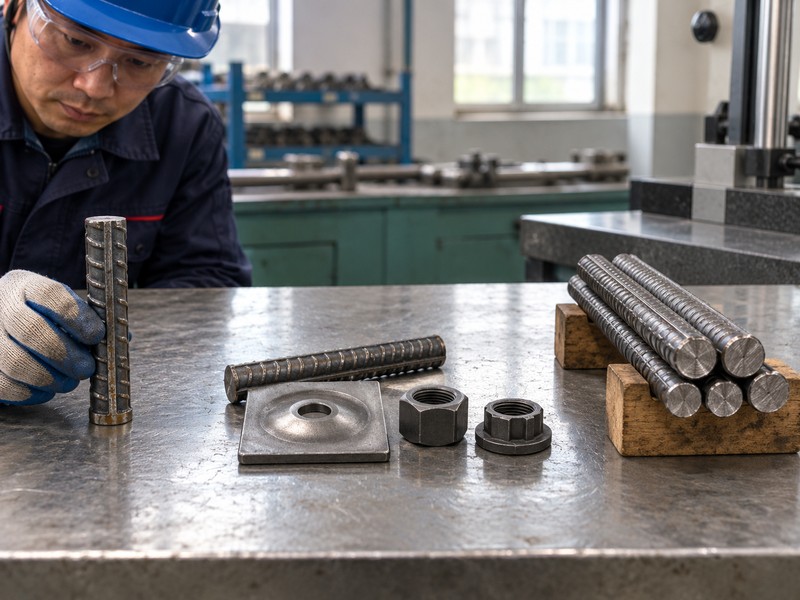
Accessories need evidence appropriate to their identity and applicable requirements, rather than automatic coverage from a bar report. The public abstract includes plate and other component test families. Detailed applicability requires the full specification and your ordered configuration.
Avoid a bar-only acceptance file
Check each line item. A shipment can include several component sources and manufacturing routes. Map available evidence to each ordered item before accepting an assembly-level claim. Where a report covers only one component, keep that boundary explicit. Ask how substitutions affect existing evidence.
- List accessories with their own identifiers and drawing revisions.
- Map each report to covered components.
- Refer uncovered items for technical review before release.
Accessory-evidence coverage
Keep field pull-test information separately identified when requested for another purpose. It does not automatically cover every accessory requirement.
| Ordered item | Evidence mapping | Potential gap |
|---|---|---|
| Bearing component | Identified component report | Bar certificate substituted |
| Nut or washer | Applicable purchase evidence | Unknown source or variant |
| Anchorage component | Relevant identified evidence | Assembly claim without coverage |
Key takeaway: map evidence item by item. An assembly is only as documented as its least identified participating component.
8. How do you distinguish declarations from test evidence?
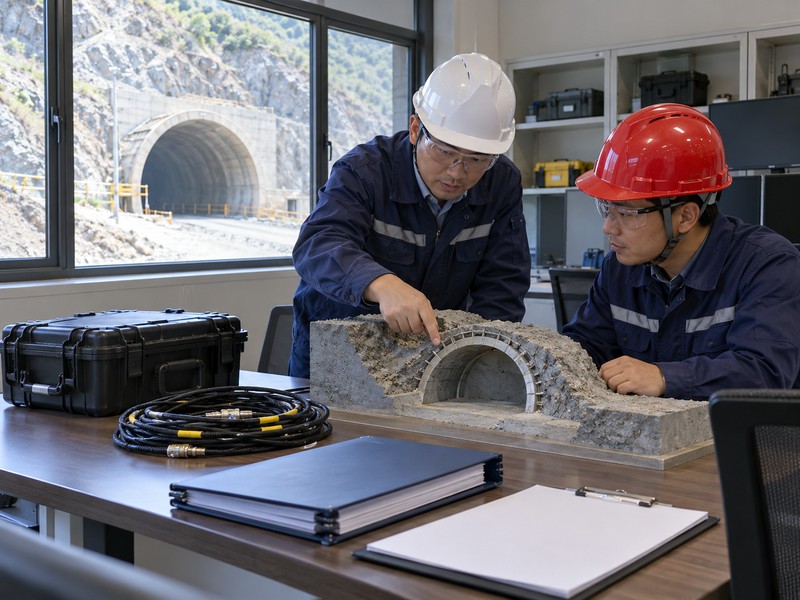
Distinguish declarations, certificates, reports, and inspection records by what each document actually establishes. Their names vary, so inspect contents and scope. A statement of compliance and a specimen test report provide different evidence layers.
Read beyond the document title
Ask who observed what. Identify the issuer, subject, method, result, and conclusion. Determine whether a document records measured observations or repeats a supplier’s assertion. Independent issuance can help evaluate evidence origin, but it does not establish relevance without product identity and applicable scope.
- Record document type and issuing organization.
- Identify tested or inspected subject and covered quantity.
- Preserve qualifications, exclusions, and referenced attachments.
Evidence-type matrix
Use a shared index so procurement, quality, and engineering teams can find the same files. Avoid assigning a conformity decision from a document title alone.
| Document function | Typical content to identify | Review limit |
|---|---|---|
| Supplier declaration | Claimed conformity | Supporting basis needed |
| Test report | Specimen observations and results | Tested scope only |
| Inspection record | Checked features and identity | Recorded inspection scope |
Key takeaway: classify documents by evidence. Keep assertions and observations separately visible until the qualified reviewer closes acceptance.
9. What should happen when evidence is incomplete?

Incomplete evidence should trigger a documented request and an authorized disposition under your purchasing process. It should not become an invented standard exception. Record which requirement remains unresolved and which hardware is affected.
Separate technical gaps from administrative gaps
Describe the missing connection. A missing drawing revision may need clarification, while an uncovered test requirement may need additional evidence. Assign the relevant reviewer and keep affected stock identifiable. Your contract and quality process determine release arrangements; this article does not create a universal release rule.
- Identify the affected item, lot, and document gap.
- State who can approve the disposition.
- Preserve clarifications and revised evidence within the file.
Evidence-gap register
Ask suppliers to answer specific gaps rather than resending the same general brochure. Review new documents against the original unresolved question.
| Gap type | Clarification request | Closure evidence |
|---|---|---|
| Identity mismatch | Correct product connection | Traceable mapping |
| Missing requirement evidence | Applicable supporting record | Qualified technical review |
| Conflicting documents | Reconciled revision or explanation | Authorized disposition |
Key takeaway: close gaps explicitly. A long email thread cannot replace an identifiable acceptance decision and its supporting documents.
10. What should your ASTM F432 RFQ request?
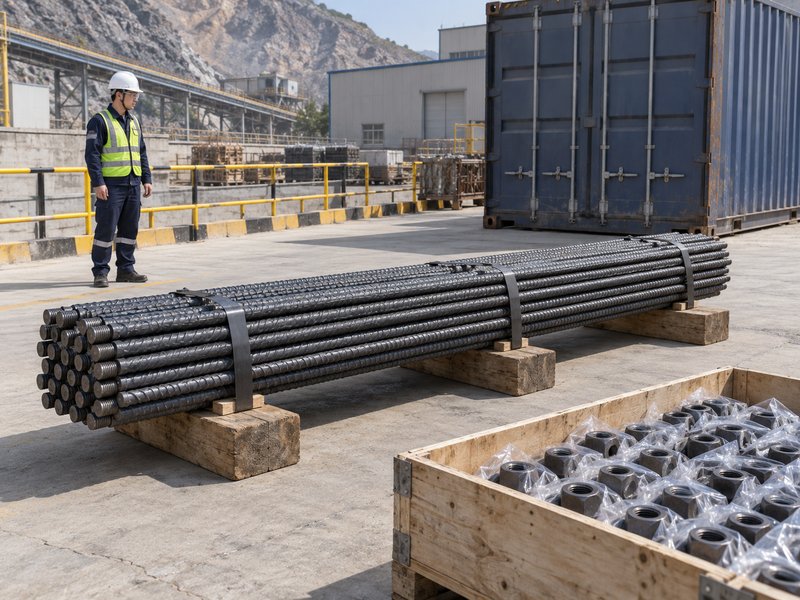
Your ASTM F432 RFQ should identify the required edition, offered components, evidence deliverables, traceability, and acceptance responsibilities. That makes a general standard reference reviewable before shipment. Have qualified personnel use the authorized full specification for detailed requirements.
Write an evidence schedule
Make each request traceable. Attach drawings and list documents required for each item. Ask bidders to identify exclusions or deviations explicitly. Set timing for technical review so unresolved evidence does not arrive after materials are already needed. Keep any project-specific requirement clearly attributed to its source.
- Request the complete offered assembly and component schedule.
- Require chemical, mechanical, and dimensional evidence applicable to ordered items.
- Specify identity links, document revisions, and the technical review route.
Confirm scope before placing the order
| Closure check | Action to retain |
|---|---|
| 1 | Request the complete offered assembly and component schedule. |
| 2 | Require chemical, mechanical, and dimensional evidence applicable to ordered items. |
| 3 | Specify identity links, document revisions, and the technical review route. |
For a hardware enquiry, contact us with your drawings, required edition, and evidence schedule. Request product-specific records before accepting a conformity claim. Determine contractual or legal applicability separately rather than treating this article as a current compliance ruling.
Q1: Can a supplier’s ASTM F432 statement close acceptance? Only with the evidence and review required by your project. The statement alone does not identify every supporting result.
Q2: How do I know which edition applies? Check your contract and project specification. Ask the authorized project reviewer to resolve unclear or conflicting references.
Q3: What’s the best way to review accessory coverage? Map each ordered component to applicable evidence. Do not assume a bar report covers all supplied parts.
Q4: Does this article reproduce detailed ASTM acceptance clauses? No. It uses the official public scope and abstract. Detailed decisions require an authorized applicable standard and qualified review.
Q5: Does ASTM F432 apply legally to every US project? No blanket legal conclusion is offered. Confirm actual contractual and applicable legal requirements through the appropriate project authority.