
Choosing split set vs inflatable rock bolts requires a comparison of mechanism, equipment, and site-specific evidence. Both families can transfer load through contact with a borehole wall. Their installation systems differ. A purchasing comparison becomes unreliable when equal lengths or similar tube shapes substitute for engineering equivalence. Review split set vs inflatable rock bolts through an approved ground-support design and identified product documents.
1. What separates split set vs inflatable rock bolts?
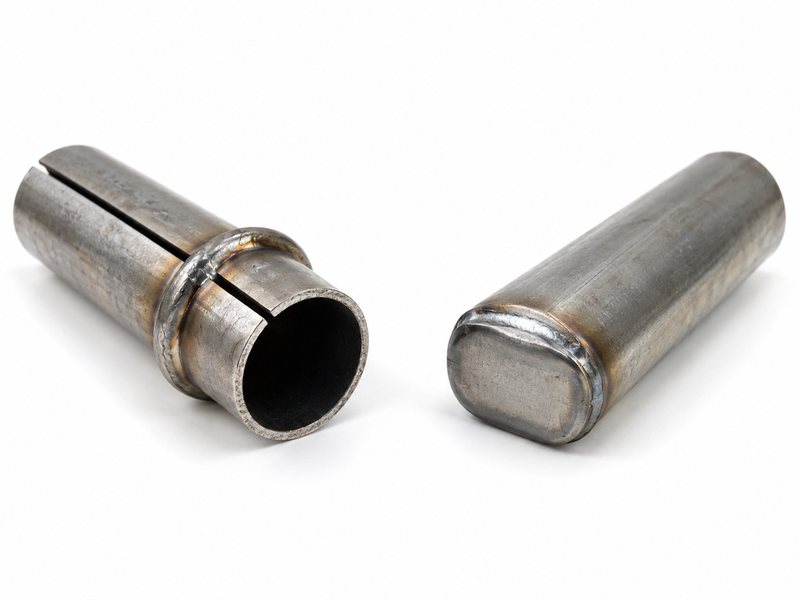
Split set vs inflatable rock bolts differ in how tube contact develops inside a borehole. A split set uses a driven, longitudinally slotted tube. An inflatable product uses a sealed tube expanded hydraulically. These descriptions identify mechanisms rather than equivalent capacities across product families.
How should you frame the comparison?
Compare defined products under defined conditions. Product-specific geometry, installation requirements, and verification evidence belong together. Avoid treating a proprietary inflatable family as representative of every expandable tube. A mechanism comparison cannot replace qualification for your mine.
- Identify each proposed product and revision.
- Describe its contact-forming mechanism.
- List evidence needed for the intended duty.
Compare complete systems. Ask bidders to state exactly which product and installation package their proposal covers.
Which distinction belongs in the bid sheet?
| Feature | Split set | Inflatable tube |
|---|---|---|
| Tube form | Longitudinally slotted | Sealed expandable section |
| Contact formation | Driven interference | Hydraulic expansion |
| Evidence basis | Product and site specific | Product and site specific |
A shared frictional description does not make installation controls interchangeable between these two mechanisms. Ask suppliers to identify unfamiliar terminology so purchasing staff compare defined mechanisms rather than differently named versions of the same property.
2. How do installation equipment requirements differ?
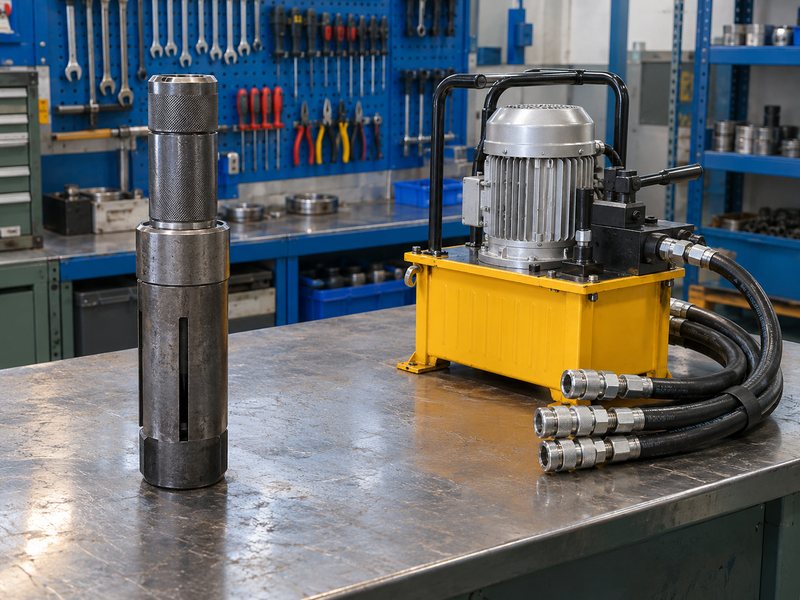
Installation equipment differs because driving and hydraulic expansion require different tooling and controls. A split set proposal should identify suitable driving equipment. An inflatable proposal should identify its compatible pump, connector, and operating requirements. Confirm actual mine infrastructure rather than assuming both systems fit existing equipment.
Which interface costs deserve attention?
Consider power supply, handling, maintenance, and trained personnel alongside equipment purchase. Review support accessories as part of each defined assembly. Avoid comparing an equipped system with a bare component quotation. Any cycle-time estimate requires evidence from comparable site conditions.
- Identify compatible tooling and service support.
- Check access and handling constraints.
- Request product-specific operating documentation.
Price the installed package. Reconcile equipment scope before comparing bolt unit prices.
What belongs in equipment scope?
| Scope item | Purchasing question |
|---|---|
| Installation tool | Included and compatible with which model? |
| Consumables and spares | Identified for expected site service? |
| Maintenance support | Defined responsibilities and documentation? |
A complete equipment schedule prevents omitted tooling from distorting the initial commercial comparison. Confirm which equipment costs recur during service and which belong only to initial setup before comparing commercial totals.
3. Why do borehole requirements need separate review?
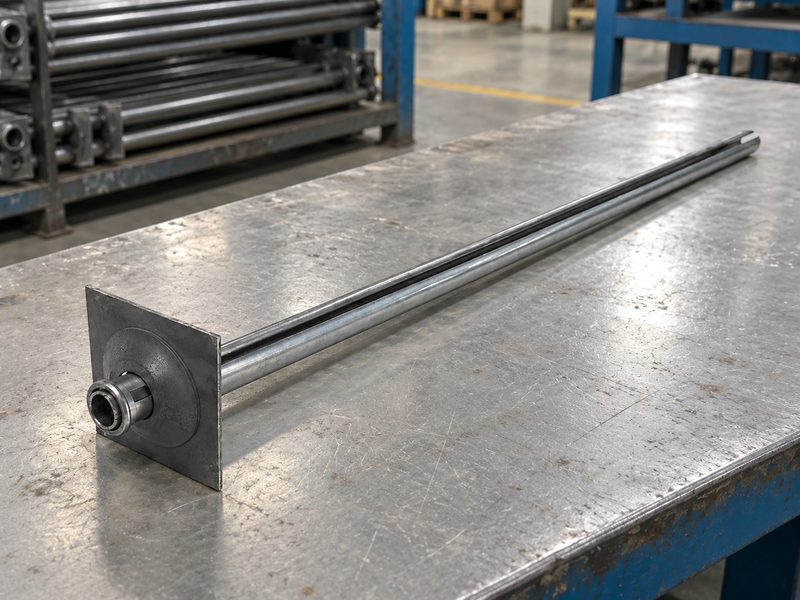
Borehole requirements need separate review because each product develops contact through its own geometry and installation mechanism. Friction stabilizer proposals require product-specific hole requirements. Inflatable systems also have defined operating envelopes. Do not transfer a diameter range from one family into another bid specification.
Which site information helps reviewers?
Provide drilling equipment, bit-management records, and relevant ground descriptions. Distinguish nominal bit size from observed hole condition. Broken, irregular, or changing ground can complicate any simple geometric comparison. Ask how each supplier proposes verifying its stated installation conditions.
- Record drilling configuration and bit identity.
- Describe relevant fractures and water conditions.
- Request each product's documented hole requirements.
Keep the hole assumptions visible. Have engineering compare actual drilling capability with each proposed product envelope.
Which evidence reduces ambiguity?
| Information | Comparison purpose |
|---|---|
| Product hole requirements | Establishes proposed operating envelope |
| Drilling records | Describes achievable site conditions |
| Site qualification evidence | Tests relevance of supplier assumptions |
A mechanism comparison remains incomplete when its borehole assumptions cannot be connected with actual drilling practice. An engineering review should identify where uncertainty about hole condition prevents a defensible selection between proposed products.
4. How should plate and head assemblies be compared?
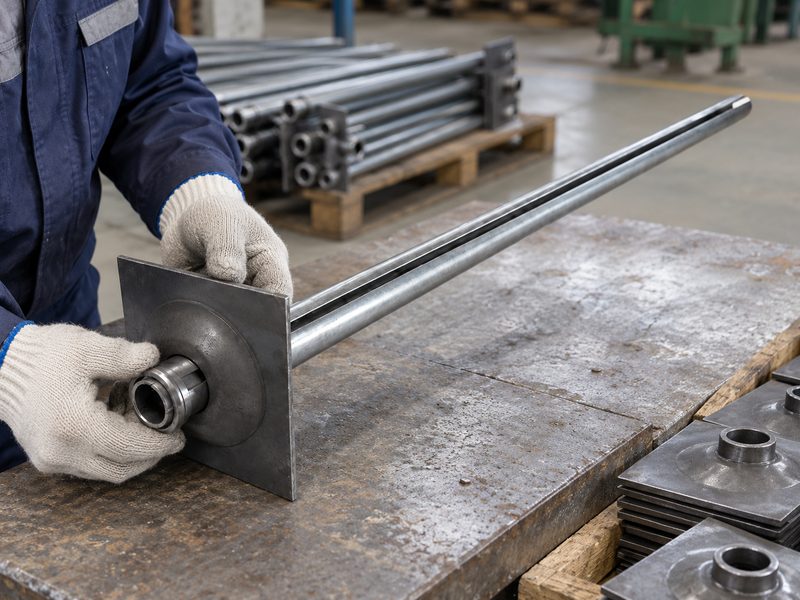
Plate and head assemblies should be compared as matched load-transfer interfaces. Similar plate shapes do not establish compatible openings or seating. A split set retaining ring and an inflatable tube head may impose different requirements. Keep each assembly tied to manufacturer drawings and your support design.
What should surface-support reviewers examine?
Review plate, mesh, straps, and supported surface together. Identify installation angles and expected seating conditions where relevant. Use bearing plate information to request an identified product, then confirm technical compatibility separately. An unloaded fit check offers limited evidence about loaded behavior.
- Identify head-to-plate contact geometry.
- Check approved intermediate components.
- Record complete surface-support arrangement.
Follow load through the head. Require an assembly drawing for each bid rather than a list of visually similar parts.
Which interface needs confirmation?
| Interface | Evidence requested |
|---|---|
| Head and plate | Product-specific compatibility |
| Plate and mesh | Approved support arrangement |
| Plate and rock surface | Relevant seating assessment |
A fair comparison includes head integrity and surface-support compatibility alongside tube anchorage. Record any approved assembly substitutions so warehouse picking and installation teams receive the same configuration evaluated by engineering.
5. Which installation records should each system produce?
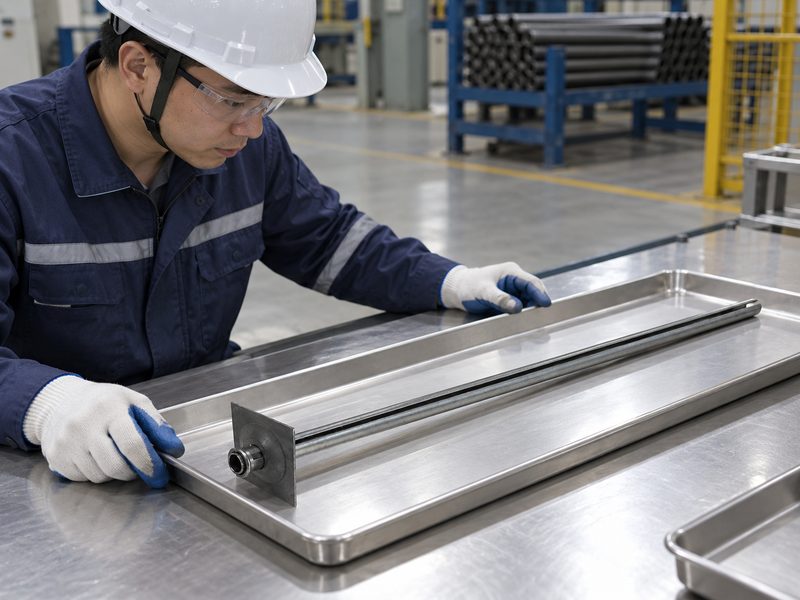
Each system should produce records that reflect its own installation controls. A driven split set system cannot be verified using a pump record intended for hydraulic expansion. Conversely, completion of a driving event cannot establish inflation quality. Define evidence requirements before undertaking a comparison trial.
How do records support qualification?
Agree on product identity, location, equipment, and recorded anomalies. Ask which manufacturer-defined indicators demonstrate completed installation. Keep raw equipment records where available. A supervisor's checkmark should have a clear meaning tied to a documented requirement.
- Identify required records for each mechanism.
- Connect every trial location with its product lot.
- Preserve deviations instead of excluding them silently.
Compare evidence quality. Require each supplier to explain what its installation record can establish and where uncertainty remains.
Which record serves which purpose?
| Record | Purpose |
|---|---|
| Product and location | Connects evidence with an installation |
| Equipment and completion data | Documents mechanism-specific controls |
| Anomaly record | Identifies departures needing review |
Useful records describe what happened without claiming that every unmeasured condition was satisfactory. Where automatic data collection is unavailable, define a practical manual record that preserves the required installation context.
6. How does ground movement affect the comparison?
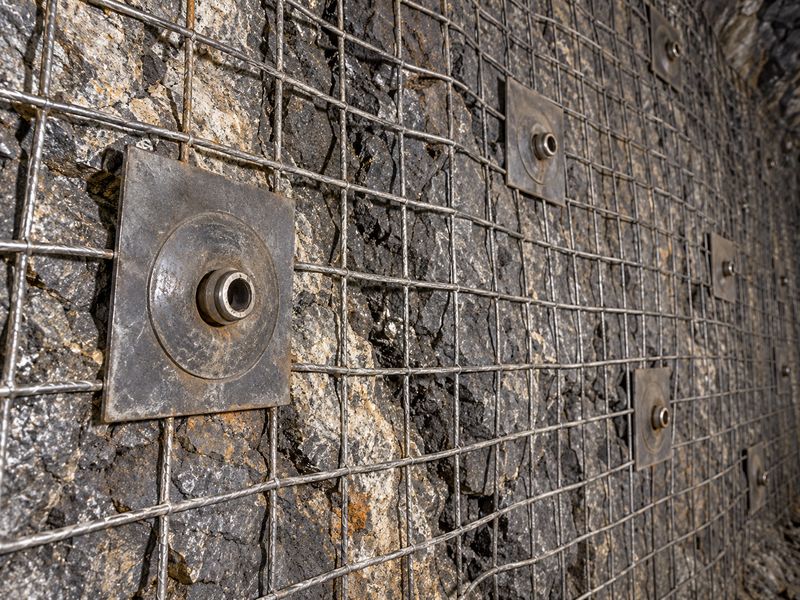
Ground movement affects the comparison through deformation, loading direction, and interaction with surrounding support. Published squeezing-ground observations describe tube and head damage under demanding conditions. They cannot establish a universal ranking for these families. Review expected movement with your geotechnical team before accepting supplier comparisons.
Which movement questions deserve evidence?
Ask about axial displacement, shear across discontinuities, and head loading separately. A quoted axial result may not describe combined loading. Identify whether evidence comes from laboratory specimens or monitored installations. Similar product names do not establish identical response under movement.
- Describe expected displacement directions.
- Request evidence matching those loading modes.
- Review head and tube failure modes together.
Specify the loading question. Ask engineering to identify which behavior would govern acceptance at your site.
How should movement evidence be classified?
| Evidence type | Comparison limit |
|---|---|
| Axial loading result | Describes tested axial conditions |
| Shear or combined loading | Requires its own relevant evidence |
| Field observation | Depends on local geology and exposure |
Avoid deriving a movement allowance from a different product, loading arrangement, or mining environment. Field observations can identify failure concerns without supplying a numerical acceptance threshold for a different site or product.
7. Can published capacities rank both families fairly?
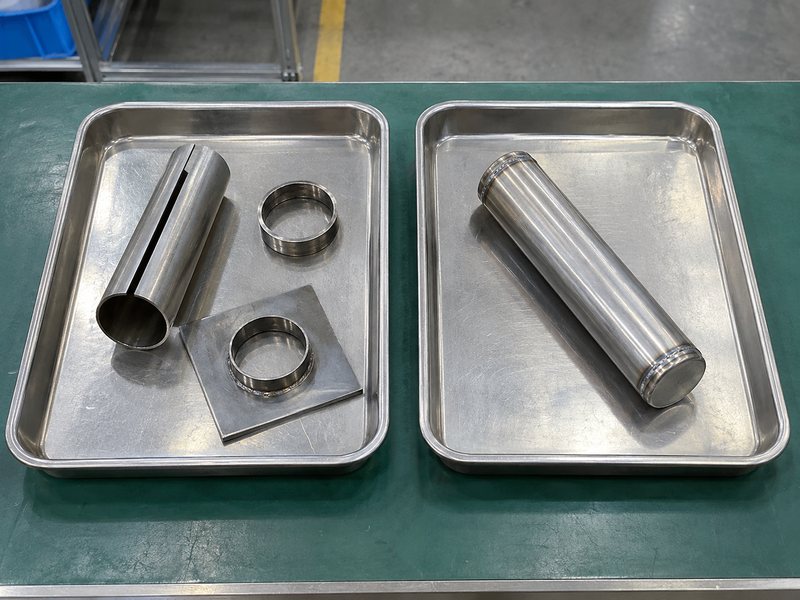
Published capacities rank products fairly only when methods, configurations, and conditions permit a valid comparison. A split set product proposal may report a different property from an inflatable proposal. Tube strength, anchorage behavior, and head capacity describe different limits. Check what every number actually measures.
Which report details should be compared?
Read specimen identity and failure mode before comparing maximum loads. Confirm units, test arrangement, and installation conditions. Separate manufacturer values from site acceptance requirements. An engineer should explain any adjustments used when evidence comes from different methods.
- Identify measured property and failure location.
- Compare specimen geometry and boundary conditions.
- Keep declared values separate from design decisions.
Read the property name. Return ambiguous capacity statements for clarification before entering them in a ranking table.
Which label needs which clarification?
| Reported label | Clarification |
|---|---|
| Tensile capacity | Tube, connection, or complete assembly? |
| Anchorage result | Which hole and installation conditions? |
| System performance | Which components and loading modes? |
Numerical comparisons become useful only after the reported properties have a consistent engineering meaning. Request the underlying report whenever a headline value omits setup details needed for engineering interpretation and comparison.
8. How should operating and maintenance costs be compared?
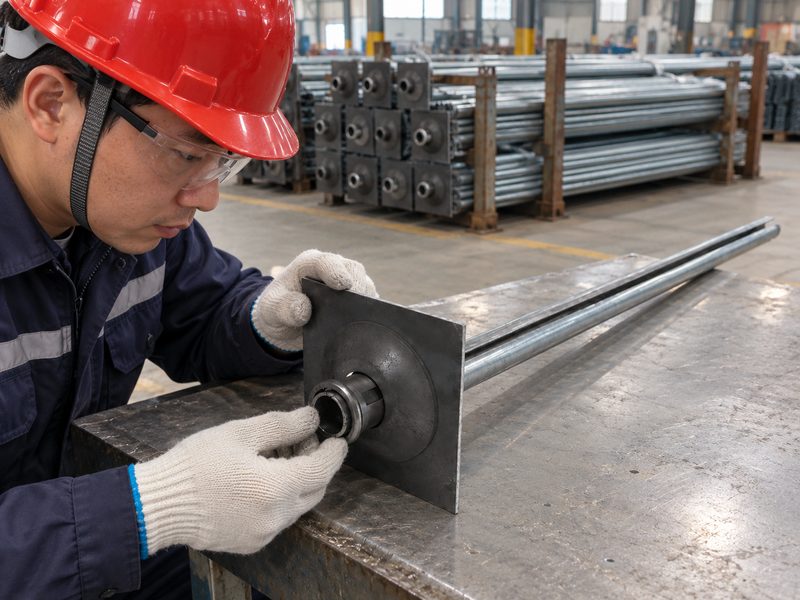
Operating costs should be compared using equivalent scope and documented site assumptions. Include maintenance, spares, rejected installations, and training where relevant. A lower component price does not quantify total installed cost. Avoid assigning productivity savings without comparable operating evidence.
Which assumptions should procurement challenge?
Check whether estimates include equipment downtime and actual access constraints. Distinguish budget allowances from measured costs. Request a trial plan if a commercial claim depends on faster installation. Record who supplied each assumption so later revisions remain traceable.
- Compare identical purchasing boundaries.
- Identify unmeasured productivity assumptions.
- Include required verification and service costs.
Make assumptions auditable. Build the commercial sheet around your mine's records rather than promotional cycle times.
Which cost belongs in which category?
| Cost item | Evidence basis |
|---|---|
| Components and equipment | Defined quotation scope |
| Labor and downtime | Comparable site records or stated allowance |
| Maintenance and verification | Agreed service and quality plan |
A transparent allowance offers a more defensible comparison than a precise estimate built on missing information. Show unresolved assumptions separately so decision makers can see which apparent savings depend on evidence still missing.
9. What should a controlled site comparison include?
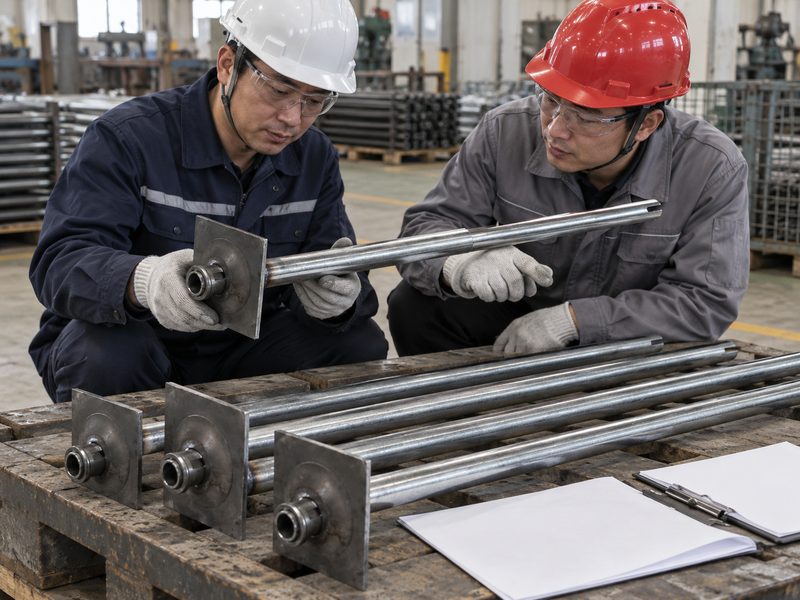
A controlled site comparison should address engineering suitability before commercial selection. Define which installations, records, and acceptance questions each system must cover. Your split set comparison candidate should remain fully identified throughout evaluation. For US underground coal trials, keep proposed support changes within the applicable roof-control plan approval process.
How do you prevent an uneven trial?
Document ground differences, equipment changes, and operator experience. Agree on how departures will be evaluated before results arrive. Include installation quality and component condition alongside any mechanical evidence. Do not treat a small trial as proof for every mining area.
- Define decision criteria and responsibilities.
- Record conditions for both alternatives.
- Specify limits on extending trial conclusions.
Write the decision rule early. Engineering and procurement should agree what evidence would justify proceeding, modifying, or stopping evaluation.
What should the comparison report deliver?
| Report element | Decision supported |
|---|---|
| Conditions and deviations | Comparability of observations |
| Technical findings | Suitability within evaluated scope |
| Commercial assumptions | Purchasing implications and uncertainty |
A qualified decision should state where supporting evidence applies and which untested conditions remain outside its scope. Retain each alternative’s stated limitations within the final recommendation rather than burying them in supplier attachments.
10. Which system should your mine shortlist?
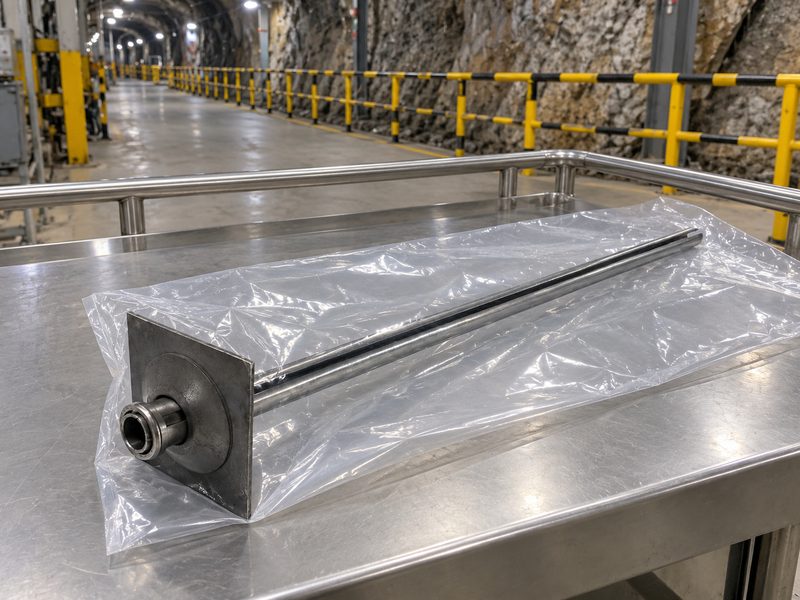
Your mine should shortlist products with relevant engineering evidence, compatible equipment, and a credible verification plan. The preferred family depends on your actual ground-support requirements. A buyer cannot settle that decision through tube appearance or catalogue capacity alone. Keep conditional approval visible throughout procurement.
What should you send with an inquiry?
Provide design context, drilling conditions, installation constraints, and documentation requirements. Ask suppliers to identify product limitations before quoting substitutions. Request a complete component and tooling scope. Arrange engineering review before treating a commercial offer as technical approval.
- State the intended support duty.
- Identify evidence and compatibility gaps.
- Request a product-specific technical response.
| Closure check | Action to retain |
|---|---|
| 1 | State the intended support duty. |
| 2 | Identify evidence and compatibility gaps. |
| 3 | Request a product-specific technical response. |
Shortlist against your evidence needs. Share your split set inquiry and assembly requirements when you contact us. Confirm any proposed product against your mine's approval process.
Q1: Are split sets and inflatable bolts interchangeable?
Do not assume interchangeability. Their installation mechanisms, equipment, and product requirements require separate engineering review.
Q2: Can catalogue tensile loads decide the choice?
No. Check which property each value describes and whether test conditions support a fair comparison.
Q3: Does hydraulic expansion suit every borehole?
No universal claim is justified. Obtain the proposed product's documented hole requirements and site-specific evaluation.
Q4: Should procurement compare only bolt prices?
Compare complete scope. Equipment, compatible parts, maintenance, and verification can change the commercial assessment.
Q5: How do I know whether a trial applies elsewhere?
Check its stated conditions. Different geology, equipment, or support duty may require additional engineering evidence.