
Rock bolt stress corrosion cracking requires investigation of cracking, material susceptibility, sustained stress and the local exposure environment together. Visible rust alone cannot establish that mechanism. A failed bolt may prompt an urgent material change while the actual cause remains unresolved. Begin with preserved evidence and a qualified investigation rather than a coating assumption. Link any proposed rock bolt supply with the material and environmental information your project team needs to review.
1. What is rock bolt stress corrosion cracking?
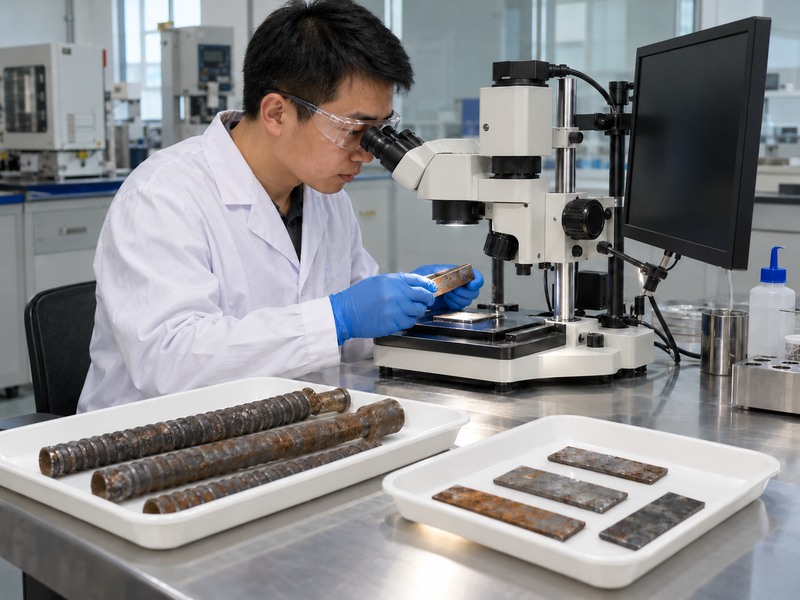
It is environmentally assisted cracking involving a susceptible material under sustained tensile stress. Its investigation concerns cracking behavior rather than visible surface discoloration alone. The relevant material and exposure conditions must be identified. An article cannot diagnose an installed bolt from a photograph of rust.
Which conditions should an investigation connect?
Connect stress, material and environment in the same case. A material designation describes only one part of the question. Site exposure and loading history add different evidence. Your investigator should examine their interaction rather than selecting a cause from appearance alone.
- Material identity and relevant manufacturing records.
- Installed loading and service history.
- Local exposure and observed cracking evidence.
What should procurement preserve?
Keep affected component identities and related support accessories traceable during investigation. A replacement inquiry should describe the unresolved mechanism explicitly. Avoid labeling every corroded part as an SCC failure before examination supports that conclusion.
| Evidence area | Question addressed | Limit of a single item |
|---|---|---|
| Material | What component was exposed? | Does not define environment |
| Stress history | What loading context existed? | Does not diagnose mechanism |
| Exposure | Which local conditions existed? | Does not prove cracking alone |
An SCC investigation needs connected evidence rather than one visible symptom.
2. Why does local mine exposure matter?
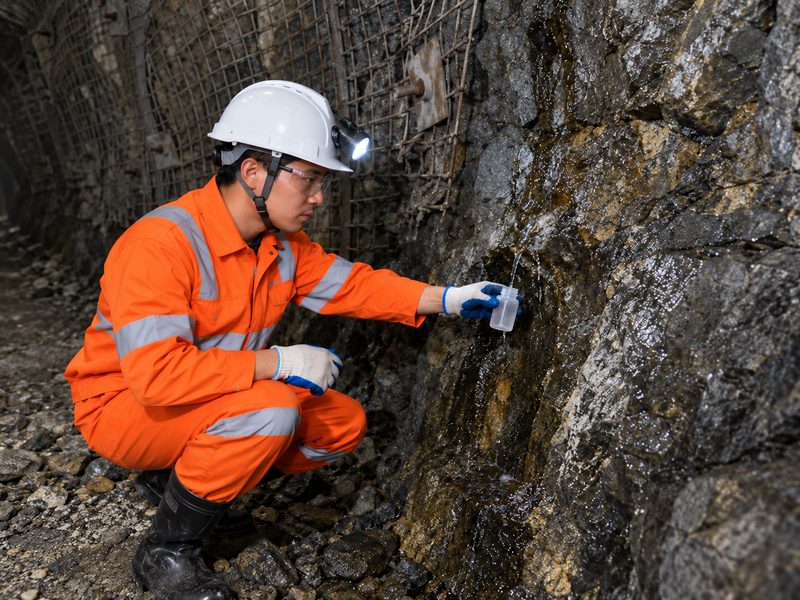
Local exposure matters because site conditions determine what the installed steel actually encounters. Groundwater and surrounding mineralogical conditions can vary between locations. Research on rockbolt cracking examines those local environmental factors. A general description such as “wet mine” leaves substantial uncertainty.
What should an environmental record describe?
Identify the location and exposure rather than a broad site label. Record where affected material operated and what observations were available. Ask qualified specialists which sampling and analysis are appropriate. Avoid inventing chemistry thresholds from unrelated studies or another mine.
- Location of affected and comparison components.
- Available groundwater and exposure observations.
- Relevant site environmental records and sampling context.
How should locations be compared?
Compare like records with their collection conditions retained. Our tunnel support background provides adjacent navigation only. A location-specific investigation should establish which environmental information can support a material decision.
| Exposure description | What it supplies | What remains needed |
|---|---|---|
| “Wet area” | Broad observation | Defined local context |
| Located sample | Specific collection point | Sampling and analysis basis |
| Comparison location | Potential reference context | Relevant matching conditions |
Keep environmental findings attached to the places they describe.
3. How should steel susceptibility be evaluated?
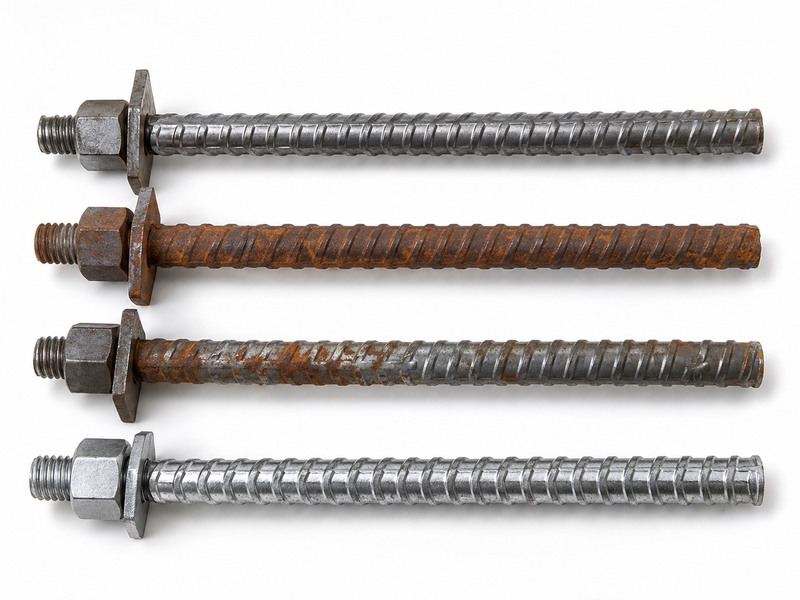
Steel susceptibility should be evaluated through identified material evidence and an appropriate investigation or testing program. A broad steel category cannot establish every product’s response. Findings for one tested material should not become a universal judgment about all rock bolts. Preserve exact material references wherever available.
Which component information helps specialists?
Keep the material identity specific enough for comparison. Retain available certificates and production references for affected pieces. Identify differences between original material, replacements and test specimens. Missing records should remain visible rather than being filled with assumptions.
- Component designation and available material records.
- Relevant production or lot identification.
- Differences between field pieces and comparison specimens.
What should a replacement claim include?
Ask how proposed resin bolt components address the identified project requirements. A higher strength claim alone does not answer an environmental cracking question. Require a review basis appropriate for the material and local exposure.
| Material evidence | Review use | Interpretation boundary |
|---|---|---|
| Certificate | Identifies supplied material | Not site susceptibility proof |
| Retrieved component | Represents field material | Condition may need examination |
| Test specimen | Supports defined evaluation | Applies to tested conditions |
A material recommendation should follow identified evidence rather than a broad label.
4. Why does loading history belong in the investigation?
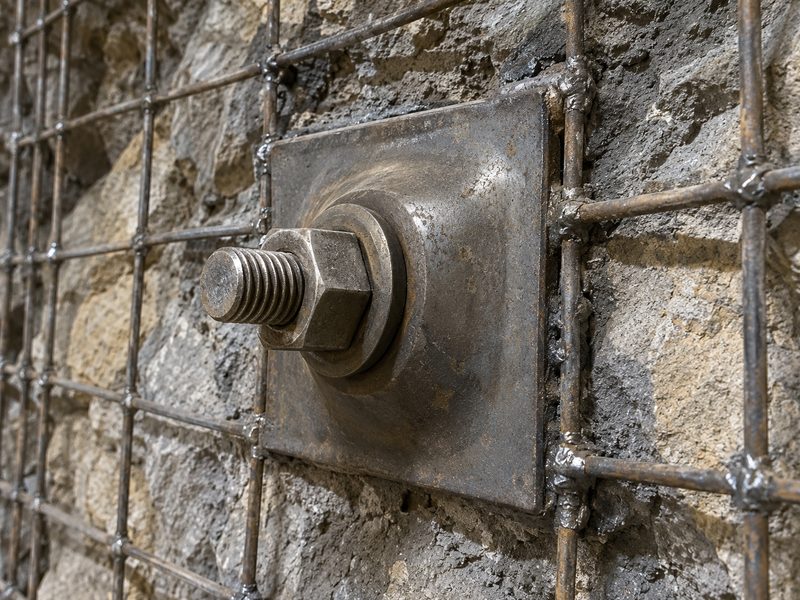
Loading history belongs because sustained tensile stress forms part of the SCC question. Material and exposure records alone leave that aspect unresolved. Installed conditions can differ from assumptions made during purchasing. Investigators need the available design, installation and service information without invented load estimates.
Which records can describe the stress context?
Preserve what is known and distinguish it from assumptions. Include available design and installation records with observed service events. Ask your responsible engineer which records are relevant. Do not infer actual installed stress solely from a photograph or nominal material strength.
- Accepted design and component arrangement.
- Available installation and loading records.
- Relevant service changes or observed movement.
What should procurement avoid substituting?
Avoid replacing a missing loading history with a generic bolt sizing discussion. Adjacent background cannot establish actual stress in a failed component. Keep unresolved loading questions within the investigation scope.
| Stress-context record | What it may describe | Remaining limitation |
|---|---|---|
| Design record | Intended loading basis | Actual condition may differ |
| Installation record | Documented work performed | Not complete service history |
| Service observation | Relevant later change | May need further analysis |
A usable stress history distinguishes documented conditions from inferred ones.
5. Why can visible rust mislead a buyer?
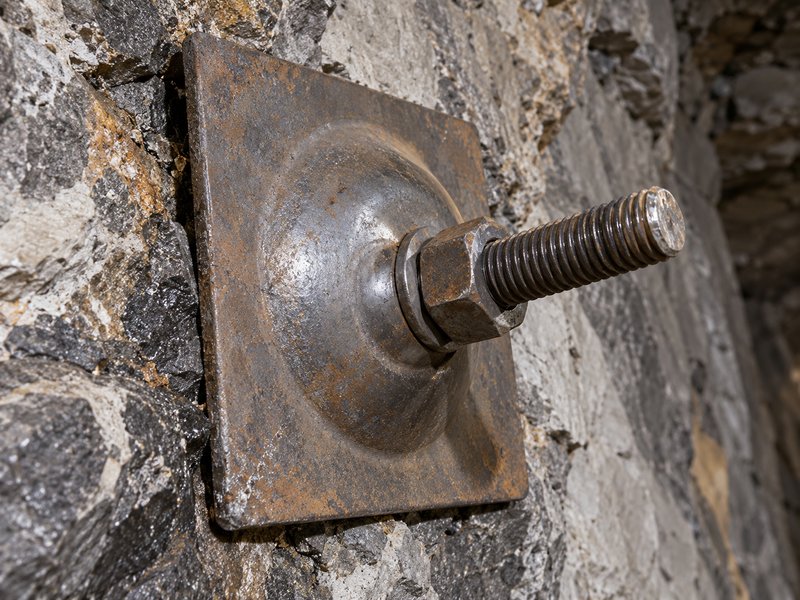
Visible rust can mislead because surface corrosion does not by itself identify a cracking mechanism. Local corrosion, general corrosion and environmentally assisted cracking raise related but different questions. A clean-looking surface also cannot establish the absence of every hidden defect. Let examination evidence guide terminology.
What should observations say before diagnosis?
Describe the observed condition without naming an unsupported cause. Record corrosion location, visible features and component identity using the investigator’s procedure. Keep photographs connected with the examined sample. Avoid cleaning away evidence before specialists define how material should be preserved.
- Visible corrosion and its location.
- Visible fracture or crack features, if present.
- Retrieval and handling information for examined material.
How should a purchase response use those findings?
Keep replacement rock bolt components linked with the accepted investigation findings. A change based only on rust color may leave the actual problem unanswered. Request a technical rationale addressing the identified mechanism and application.
| Observation | Appropriate description | Unsupported leap |
|---|---|---|
| Surface rust | Visible corrosion present | SCC diagnosed |
| Local attack | Localized corrosion observed | Cause established alone |
| Visible crack | Crack feature observed | Mechanism confirmed alone |
Accurate observation preserves room for a defensible diagnosis.
6. What can in-situ exposure coupons contribute?
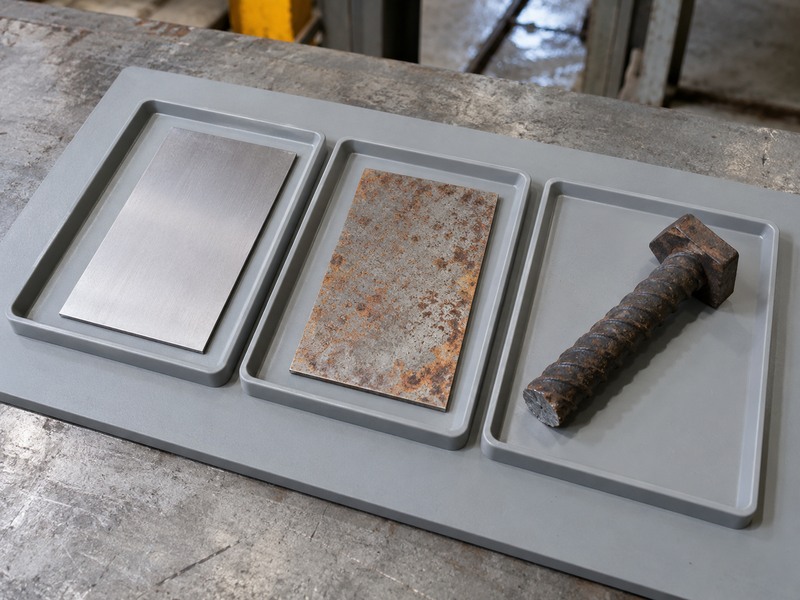
In-situ exposure coupons can contribute evidence about selected materials within an actual mine environment. A 2021 rockbolt study used site-exposed coupons to investigate cracking susceptibility and local corrosion. That approach connects testing with a real exposure setting. Its findings still depend on the materials and conditions evaluated.
Which coupon details affect interpretation?
Read exposure conditions before applying the outcome. Identify the tested material and exposure location. Ask how a specimen arrangement represents the question under investigation. A coupon is an investigative tool rather than a complete replica of every installed bolt.
- Material and specimen identification.
- Site location and documented exposure conditions.
- Loading arrangement and evaluation method, where applicable.
How should a buyer use coupon evidence?
Ask specialists whether the program addresses your project question. Our hollow-bar background provides adjacent navigation only. Do not generalize one study into guaranteed performance for every steel grade or US mine.
| Coupon record | Why it matters | Applicability limit |
|---|---|---|
| Material identity | Defines tested steel | Other materials unproven |
| Exposure setting | Defines local context | Other sites may differ |
| Specimen arrangement | Defines test conditions | Installed assembly may differ |
Use coupon evidence within the boundaries of its actual evaluation.
7. How should laboratory and field evidence be connected?
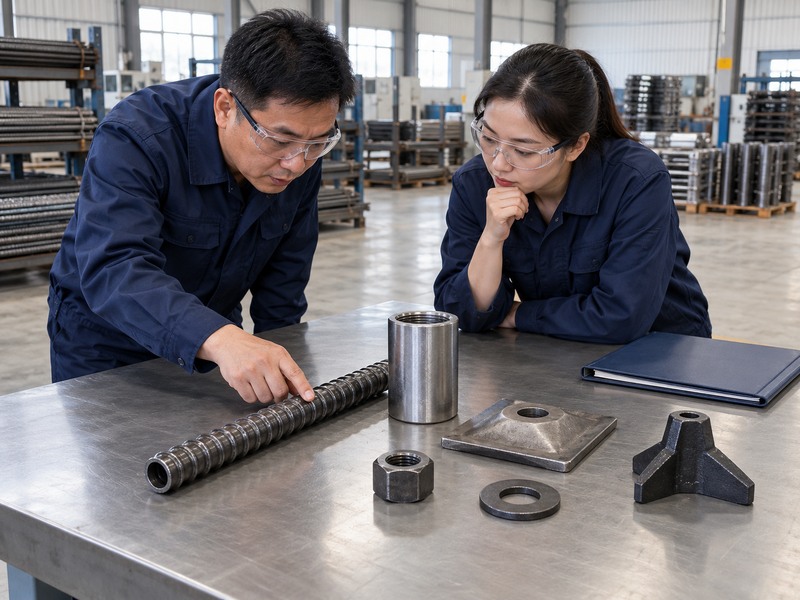
Laboratory and field evidence should be connected through traceable specimens, exposure records and a defined investigation question. Laboratory examination can address features that a field photograph cannot resolve. Field context explains where the material operated. Neither record should lose its connection with the other.
Which handoffs deserve attention?
Preserve the chain between location, sample and examination. Label internal records through the project’s approved process and retain retrieval information. Ask specialists how affected material should be handled. Avoid assigning a mechanism before examination and contextual review are complete.
- Original location and component association.
- Retrieval, handling and sample identification.
- Laboratory observations and stated interpretation limits.
What should a conclusion distinguish?
A conclusion should distinguish observations, supported interpretations and unresolved alternatives. Ask which evidence supports each material recommendation. Keep investigation findings separate from broader claims about unrelated products or operating sites.
| Evidence connection | Review benefit | Gap if missing |
|---|---|---|
| Sample to location | Preserves exposure context | Uncertain relevance |
| Sample to component | Preserves material identity | Uncertain product basis |
| Finding to conclusion | Shows reasoning basis | Unsupported diagnosis |
A traceable investigation supports a narrower and more useful conclusion.
8. What should corrosion protection claims address?
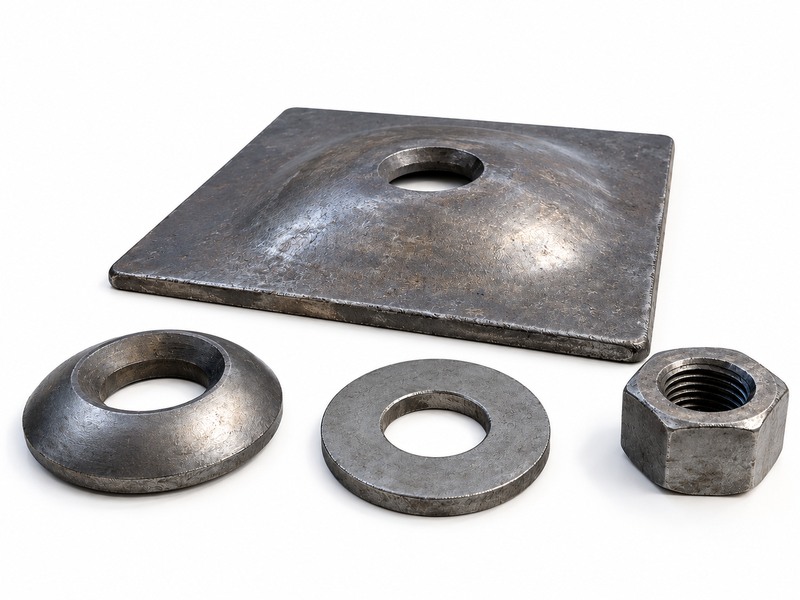
Corrosion protection claims should address the specified component, exposure and service requirements rather than promise immunity from cracking. A finish name alone cannot establish complete system behavior. Damage, interfaces and the surrounding assembly may require review. Let project investigation and design define the required response.
Which questions should buyers ask?
Connect proposed protection with the identified exposure problem. Ask what supporting evidence applies to the supplied arrangement. Identify conditions or limitations within that evidence. Avoid transferring a service-life promise from another product or environment.
- Exact supplied component and protection arrangement.
- Relevant exposure and intended application.
- Evidence scope, restrictions and project acceptance basis.
How should alternatives be reviewed?
Include matching end accessories where their supplied condition forms part of the assembly. Request a system-level review from the responsible team. An isolated coating claim should not close unresolved material or loading questions.
| Claim element | Required connection | Unresolved without it |
|---|---|---|
| Protection description | Supplied component | Actual arrangement |
| Exposure suitability | Project environment | Site relevance |
| Performance statement | Applicable evidence | Defensible acceptance |
A useful protection proposal states its scope and remaining conditions.
9. What should a supplier discrepancy request contain?
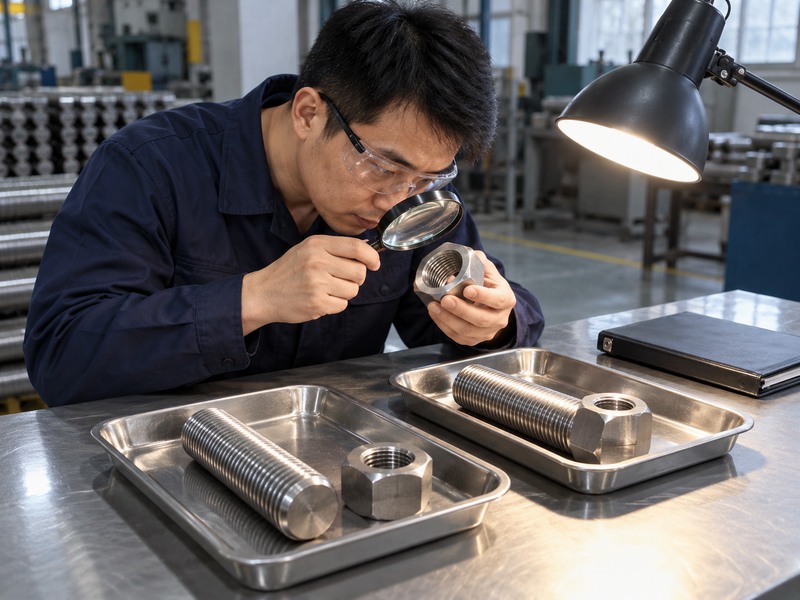
A discrepancy request should contain component identity, observed condition and available investigation context. It should distinguish confirmed findings from suspected mechanisms. A precise request helps suppliers respond to the actual issue. Avoid reducing a complex cracking investigation to a demand for “better steel.”
Which facts should your request organize?
Send a factual case description with unresolved questions visible. Include available material records and affected locations. Add examination findings through the authorized investigation team. Request missing component information without implying that a supplier response alone establishes the cause.
- Product, lot and available material identification.
- Location, service context and observed condition.
- Examination findings and explicitly unresolved questions.
What response can purchasing use?
Ask for traceable component information, identified differences and a technically supported proposal where requested. Submit that response for project review. Keep interim material decisions separate from final failure-mechanism conclusions.
| Request field | Supplier contribution | Project responsibility |
|---|---|---|
| Component identity | Supply records | Match affected material |
| Product difference | Technical description | Evaluate relevance |
| Proposed alternative | Supporting evidence | Accept application scope |
A useful discrepancy exchange supports investigation rather than replacing it.
10. How should you scope the next engineering review?
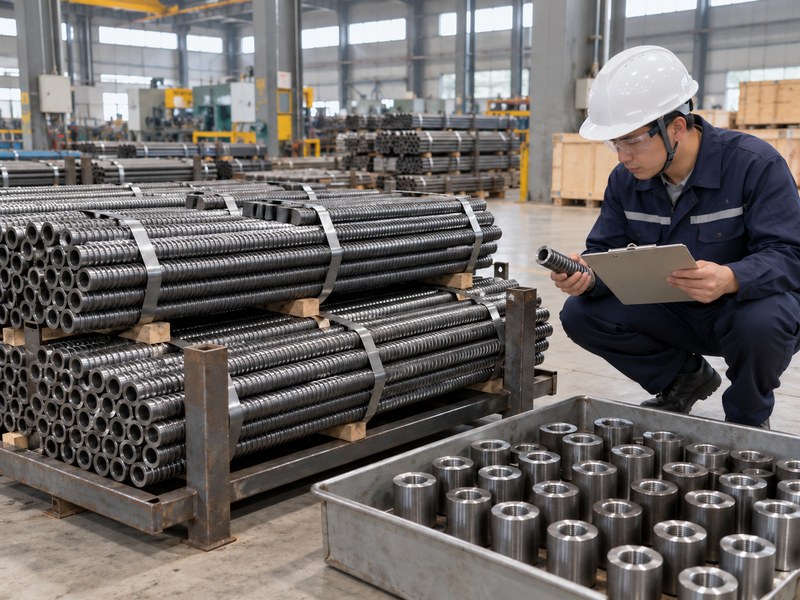
Scope your review around the observed failure question, affected materials and actual exposure setting. Ask qualified specialists whether slow-strain-rate susceptibility methods suit the material-and-environment question. Keep immediate field decisions within project procedures. Procurement should support that work with traceable component information.
What should the review brief ask?
Name the decision that further evidence must support. You may need a mechanism assessment, material comparison or replacement acceptance. Those decisions can require different evidence. State what remains unknown rather than requesting a universal corrosion-proof solution.
- Confirmed observations and unresolved mechanism questions.
- Identified components and local service context.
- Proposed investigation or comparison objective.
- Required technical disposition before material release.
What should you send for a component discussion?
| Closure check | Action to retain |
|---|---|
| 1 | Confirmed observations and unresolved mechanism questions. |
| 2 | Identified components and local service context. |
| 3 | Proposed investigation or comparison objective. |
| 4 | Required technical disposition before material release. |
Send your component references, exposure context and approved investigation findings when you contact us. Request a documented supply response within that scope. Keep replacement acceptance with your engineering team and retain the evidence behind its decision.
Q1: Can I diagnose SCC from visible rust?
No, rust documents surface corrosion; a cracking mechanism needs material, stress, exposure and examination evidence together.
Q2: Does a higher steel strength solve the problem?
A strength claim alone is insufficient. Material susceptibility and actual exposure require review alongside the component’s loading context.
Q3: What’s the best way to use an in-situ coupon study?
Read its material, exposure and specimen scope. Ask whether those conditions address your project’s investigation question.
Q4: Can a coating claim guarantee immunity from cracking?
No general guarantee follows from a finish name. Review your supplied arrangement and applicable evidence for the specified exposure.
Q5: How do I know whether a replacement is acceptable?
Obtain an engineering disposition addressing identified material requirements, exposure and relevant investigation findings before release.