
Rock bolt centralizers should match the selected bar, intended borehole geometry and specified grout envelope. Their purpose is to position a bar within the assembly’s design rather than establish an independent capacity rating. A centralizer that fits a bar can still conflict with the intended hole or grout path. Start your rock bolt accessory inquiry with both bar and borehole information. Keep placement, finish and required grout cover within the approved system design.
1. What do rock bolt centralizers control?
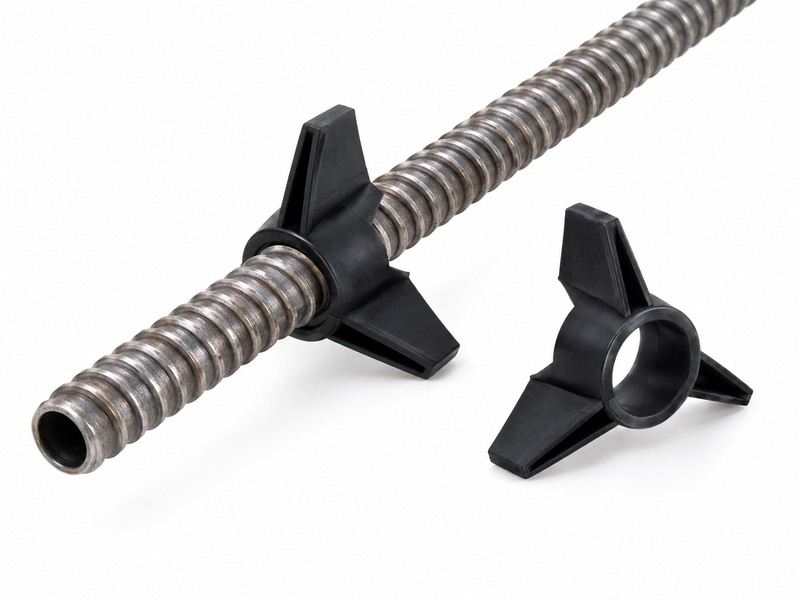
They control bar positioning at specified locations within an intended borehole arrangement. That positioning helps preserve the designed relationship between bar and surrounding grout space. A centralizer does not prove that grout fully occupies that space. Hole geometry and the accepted grouting system remain separate considerations.
Which relationships should you visualize?
Picture the bar, centralizer and hole as one cross-section. A centralizer fits around your bar while its outer profile occupies part of the surrounding space. Both interfaces need a defined match. Reviewing only a central opening within the component leaves its borehole fit unresolved.
- Centralizer fit on the selected bar.
- Outer envelope within the intended borehole.
- Remaining space for the specified grout arrangement.
What should a buyer identify?
Identify the bar and borehole basis before selecting self-drilling anchor components. Ask which centralizer reference the supplier proposes for that combination. Keep its function distinct from connection design or bar capacity.
| Interface | Selection question | Required basis |
|---|---|---|
| Centralizer to bar | Correct attachment and fit? | Bar identity |
| Centralizer to hole | Suitable outer envelope? | Borehole information |
| Remaining space | Intended grout path retained? | Matched system detail |
A centralizer selection starts with a three-part geometric relationship.
2. Why must suppliers know both bar and hole size?
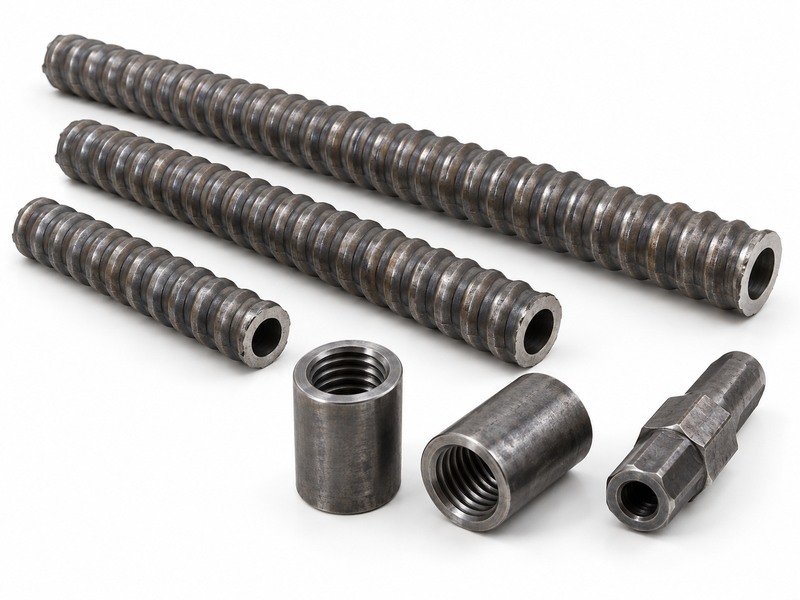
Suppliers need both because the inner fit and outer clearance answer different selection questions. Manufacturer centralizer information expressly requests drill-hole diameter and bar size for ordering. One dimension cannot define the complete component. Provide controlled references and identify any uncertainty in the proposed hole geometry.
Which size descriptions can become confused?
Separate bar designation from centralizer envelope and hole basis. A bar’s nominal size describes the selected member. A centralizer’s outer shape affects passage and positioning. Your intended borehole description defines surrounding space that must accept the assembly.
- Bar designation and relevant outside geometry.
- Proposed centralizer component reference.
- Intended borehole diameter and applicable tolerance basis.
What should an incomplete request receive?
Return a request containing only bar size for clarification. Add the hole information to your matched accessory request. Your engineer should resolve uncertain borehole assumptions rather than allowing a supplier to invent a project requirement.
| Supplied information | What remains unknown | Next action |
|---|---|---|
| Bar size only | Outer clearance | Provide hole basis |
| Hole size only | Bar attachment | Identify selected bar |
| Both identified | Actual component suitability | Review proposed reference |
Two dimensions start selection; a matched component completes the proposal.
3. How does clearance differ from grout cover?
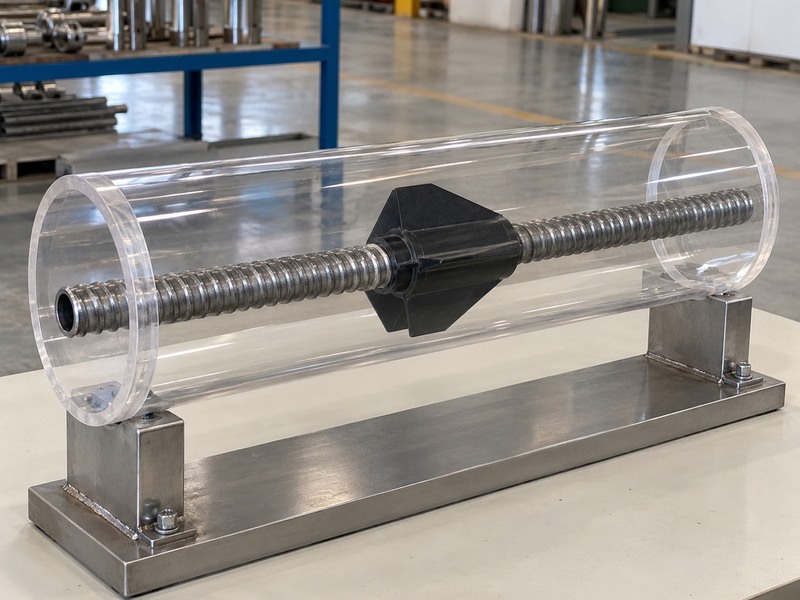
Clearance describes available geometric space, while grout cover concerns the specified surrounding grout arrangement. A component can pass through a hole without establishing the required cover everywhere. Centralizer placement and actual hole geometry affect that relationship. Do not describe successful insertion as proof of complete grout protection.
Which geometry should your detail show?
Separate passage clearance from the intended grout envelope. Show the bar position and surrounding space in section. Identify the project’s required arrangement through approved documents. A nominally centered drawing cannot capture every irregular field surface.
- Space available for assembly passage.
- Intended bar position within the hole.
- Specified grout envelope and its verification basis.
What should remain a project decision?
For soil-nail applications, review official grout-cover guidance while keeping centralizer selection within the accepted system design. Our hollow-bar background provides adjacent navigation only. Do not borrow a cover value from another product or application.
| Geometric concept | What it describes | What it does not prove |
|---|---|---|
| Passage clearance | Room for components | Complete grout placement |
| Intended centrality | Designed bar position | Actual cover everywhere |
| Specified grout envelope | Design requirement | Verified field condition alone |
A fit check and a cover requirement need separate acceptance questions.
4. Why should grout-flow space enter component selection?
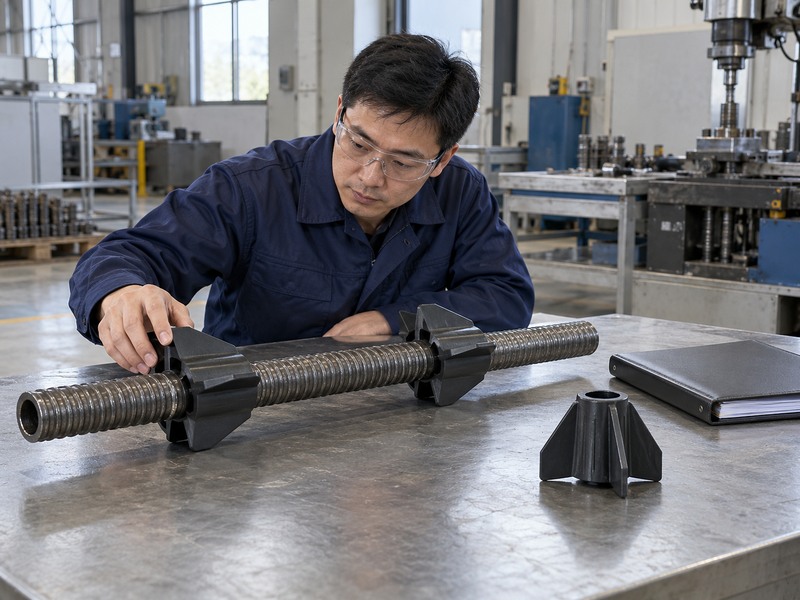
Grout-flow space enters selection because a centralizer occupies part of the available hole cross-section. Its shape must suit the intended matched system rather than obstruct that arrangement unexpectedly. A larger outside envelope does not automatically improve the complete design. Review positioning and passage requirements together.
Which features deserve a closer look?
Inspect available space around the centralizer profile. Ask how your proposed component fits the specified grouting arrangement. Identify obstructions or contact regions in the assembly drawing. This component check should remain separate from a general grouting procedure.
- Outer profile relative to intended hole geometry.
- Open space around positioning features.
- Any restrictions in matched-system documentation.
How should a different profile be reviewed?
Ask whether a substitute centralizer accessory changes positioning or intended passage space. Submit the revised geometry for engineering review. Avoid accepting it solely because its inner opening fits the same bar.
| Profile feature | Review question | Substitution concern |
|---|---|---|
| Outer envelope | Fits intended hole? | Interference or changed position |
| Positioning features | Match system detail? | Changed contact arrangement |
| Open surrounding space | Supports intended grout path? | Unreviewed obstruction |
A useful centralizer preserves the specified positioning and passage arrangement.
5. How do irregular holes limit a simple fit assumption?

Irregular holes limit a simple fit assumption because nominal diameter cannot describe every local surface condition. A component selected for a stated hole basis still needs appropriate field application and verification. Centralizers cannot make unknown geometry uniform. Keep uncertainty visible within project planning.
Which assumptions should remain explicit?
Name the hole basis used for component selection. Distinguish intended drilled geometry from verified field conditions. Ask your engineer how departures should be handled. Avoid treating a centralizer’s outside size as a guaranteed cover measurement.
- Intended diameter and accepted geometric basis.
- Known restrictions affecting passage or position.
- Project response to conditions outside that basis.
What should site teams do with an unexpected obstruction?
Follow project procedures when assembly behavior differs from the accepted arrangement. Our tunnel support background offers adjacent navigation rather than field acceptance rules. Do not trim or deform centralizers without an authorized technical response.
| Hole information | Selection value | Remaining limit |
|---|---|---|
| Nominal geometry | Defines intended basis | Local variation unresolved |
| Known restriction | Identifies special review | May change suitability |
| Field observation | Shows actual departure | Needs project disposition |
Centralizer geometry should not conceal uncertainty in the surrounding hole.
6. What can a physical centralizer comparison show?
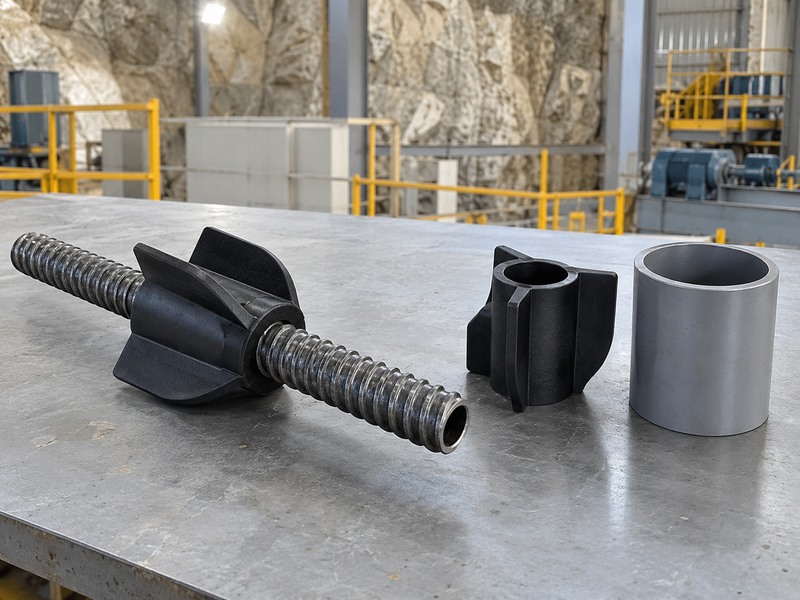
A physical comparison can show bar attachment, outer profile and the intended relationship with a representative hole sleeve. It helps identify mismatched components before shipment. It cannot reproduce every field borehole condition or prove complete grout cover. Keep sample review within its geometric scope.
Which samples make the interfaces clear?
Show both the inner fit and surrounding envelope. Place a fitted bar beside a separated centralizer. Use a representative sleeve where it helps explain intended geometry. Avoid a misleading transparent model that appears to certify field grout conditions.
- Actual bar and proposed centralizer samples.
- Controlled references for both components.
- Representative hole geometry clearly scoped as a model.
How should the result be recorded?
Keep photographs and component references with your anchor component schedule. Record any interference or unidentified feature. Route design questions to the responsible reviewer rather than resolving them through sample appearance alone.
| Sample check | What it supports | What remains separate |
|---|---|---|
| Bar attachment | Component fit review | Accepted field behavior |
| Sleeve comparison | Intended envelope review | Actual hole variation |
| Profile view | Passage-space discussion | Grout completeness |
A sample demonstrates defined geometry without becoming a field performance claim.
7. How should centralizer positions be specified?
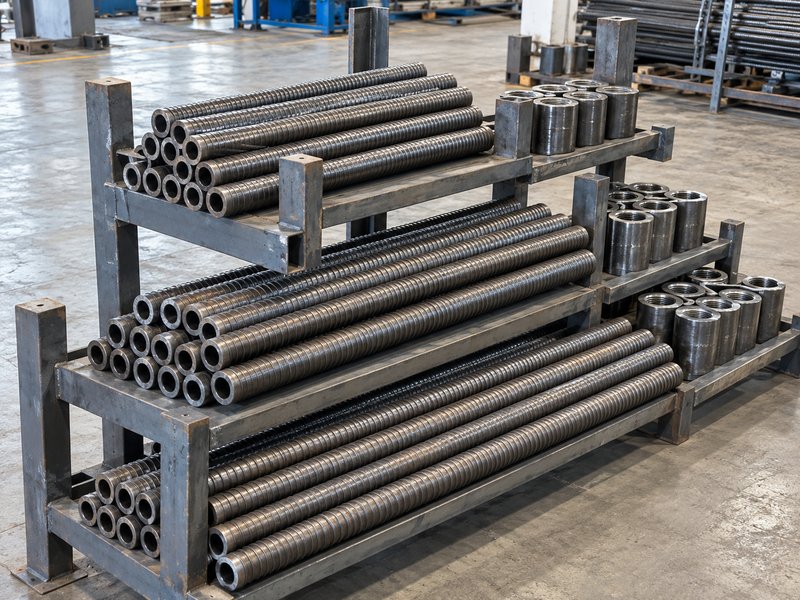
Centralizer positions should be specified by the responsible system designer and applicable component documentation. No universal spacing rule applies across every rock bolt arrangement. A manufacturer’s placement example belongs to its stated system. Procurement should preserve the accepted position schedule without converting it into a general rule.
Which information belongs in that schedule?
Show locations on the actual assembly drawing. Identify reference points and any position restrictions. State whether different bar arrangements require different schedules. Keep the required component count tied to that drawing rather than a rough stock allowance.
- Defined positions and reference datums.
- Component identities at each specified location.
- Applicable bar arrangement and approved revision.
What should a field adjustment require?
Request technical review when a proposed change affects specified positioning. Record the reason and accepted revised arrangement. Avoid moving or removing a centralizer merely because another position appears more convenient during handling.
| Position record | Why it helps | Change trigger |
|---|---|---|
| Drawing datum | Makes location unambiguous | Different reference assumed |
| Component count | Supports complete supply | Missing centralizer |
| Approved arrangement | Preserves design intent | Proposed relocation |
Specified placement remains a design instruction rather than an article-derived interval.
8. What should incoming inspection check?
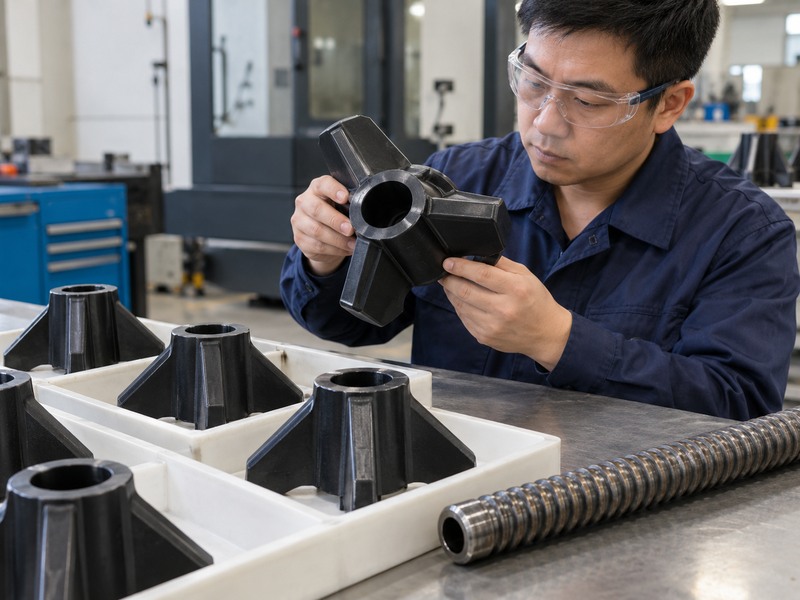
Incoming inspection should check identity, condition and agreement with the accepted bar-and-hole component schedule. A distorted centralizer can depart from its intended profile. Mixed stock can also obscure which bar and hole basis a part serves. Keep those checks distinct from field grout verification.
Which visible features deserve attention?
Compare supplied geometry with the approved reference. Check for obvious deformation or damage under the project’s inspection procedure. Preserve supplied identification and finish information. Unclear parts should remain separated until technical review resolves their use.
- Correct component designation and bar match.
- Outer profile and supplied condition.
- Required quantities and finish references.
What purchasing detail supports receiving?
Provide the accepted centralizer accessory schedule with bar and borehole references. Keep approved alternatives identified as separate entries. Receiving staff can then check known components instead of guessing suitability for unfamiliar holes.
| Receiving field | Check basis | Escalation condition |
|---|---|---|
| Component identity | Approved schedule | Mixed or unidentified stock |
| Profile condition | Accepted reference | Visible distortion |
| Quantity and finish | Order documents | Missing or different supply |
Receiving protects the chosen geometry through transport and storage.
9. Which changes need another centralizer review?

Changes need review when they affect bar attachment, outer geometry, intended grout space or specified placement. A centralizer for another bar family is not an automatic substitute. A different hole basis also changes the selection question. Review this complete relationship rather than only the component name.
What should an alternative proposal describe?
List the interfaces that would change. Compare original and proposed parts against the same bar and hole basis. Identify finish or placement differences as well. Ask your reviewer whether available evidence supports the revised arrangement.
- Inner fit on the selected bar.
- Outer envelope and intended passage space.
- Finish, count and specified locations.
What should an accepted revision contain?
Record the exact alternate component and applicable assembly drawing. Update purchase and field schedules together. A written acceptance should identify its limitations so one hole-specific change cannot become a universal stock substitution.
| Proposed change | Review subject | Accepted output |
|---|---|---|
| Inner fit changed | Bar compatibility | Identified component match |
| Outer profile revised | Hole and grout arrangement | Revised geometry review |
| Position changed | Design placement | Updated assembly schedule |
A controlled alternative keeps both component interfaces visible.
10. How should you prepare a centralizer inquiry?

Prepare your inquiry with bar identity, intended borehole information and the approved grout-envelope requirements. Include the placement drawing when available. Ask suppliers to identify a proposed component and any missing information. This gives your engineer a concrete geometric arrangement to review.
What should your request include?
Provide both mating dimensions and the design context. A request for a centralizer without hole information leaves a principal interface undefined. Include finish and quantity requirements from accepted documents. Keep uncertain project assumptions clearly identified.
- Bar designation and relevant geometry.
- Intended borehole diameter and accepted basis.
- Specified placement and grout arrangement.
- Component, finish and documentation requirements.
What should happen before purchase release?
| Closure check | Action to retain |
|---|---|
| 1 | Bar designation and relevant geometry. |
| 2 | Intended borehole diameter and accepted basis. |
| 3 | Specified placement and grout arrangement. |
| 4 | Component, finish and documentation requirements. |
Send your bar drawing, hole information and placement schedule when you contact us. Request a documented component proposal. Release an accepted centralizer after your reviewer confirms both fit interfaces and the intended grout arrangement.
Q1: Can I choose a centralizer from bar size alone?
No, intended drill-hole information is also needed because the centralizer must fit both interfaces.
Q2: Does easy insertion prove adequate grout cover?
No, passage clearance and the specified grout envelope are different questions requiring their respective project checks.
Q3: What’s the best centralizer spacing for every bolt?
No universal spacing applies here. Follow the placement schedule accepted for your exact system and assembly.
Q4: Can I trim a centralizer when it catches?
Only through an authorized disposition. Trimming changes the selected profile and may alter positioning or passage space.
Q5: How do I know whether a different profile is acceptable?
Compare its bar fit, outer envelope and placement with the approved arrangement. Obtain a specific technical acceptance before substitution.