
Resin bolt bond strength describes a tested load-transfer relationship within a defined anchored assembly. A headline load cannot establish effective anchorage in every rock hole. Procurement needs reports that identify geometry, interfaces, and failure mode. Published combination studies show why resin and steel should be evaluated together. A resin bolt bond strength review should translate laboratory findings into bounded evidence rather than a universal product capacity.
1. What does resin bolt bond strength actually describe?
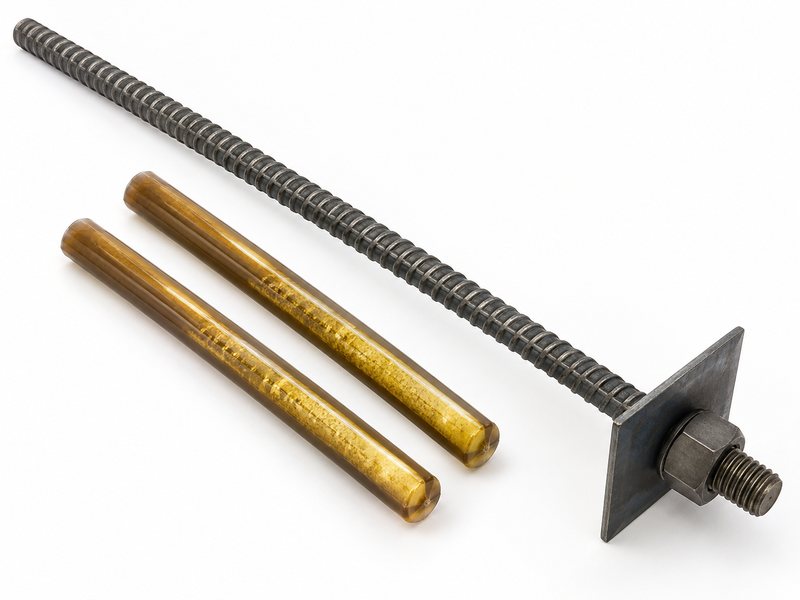
Resin bolt bond strength describes resistance associated with load transfer across an identified bonded arrangement. Reports may use different specimen geometries and calculated quantities. A result should identify which interface or system response it represents. Start with that definition before comparing values.
Which property did the report measure?
Distinguish maximum applied load, calculated average bond stress, and a design value. These quantities are related through assumptions rather than interchangeable labels. Ask whether a reported number came directly from measurement or from calculation. Retain units and definitions together.
- Identify the measured quantity and units.
- Separate calculated values from direct readings.
- State which interface or assembly was evaluated.
Name the property precisely. Ask your engineer to define what each headline value can establish.
Which reported value answers which question?
| Reported value | Interpretation required |
|---|---|
| Applied load | Response of the tested configuration |
| Average bond stress | Calculation using stated geometry assumptions |
| Design value | Engineering basis beyond one observed result |
A clear property definition prevents procurement from comparing unlike quantities under a shared bond-strength heading. Keep original report terminology available so a translation into procurement language does not silently change the measured property.
2. Which interfaces belong in the evidence chain?
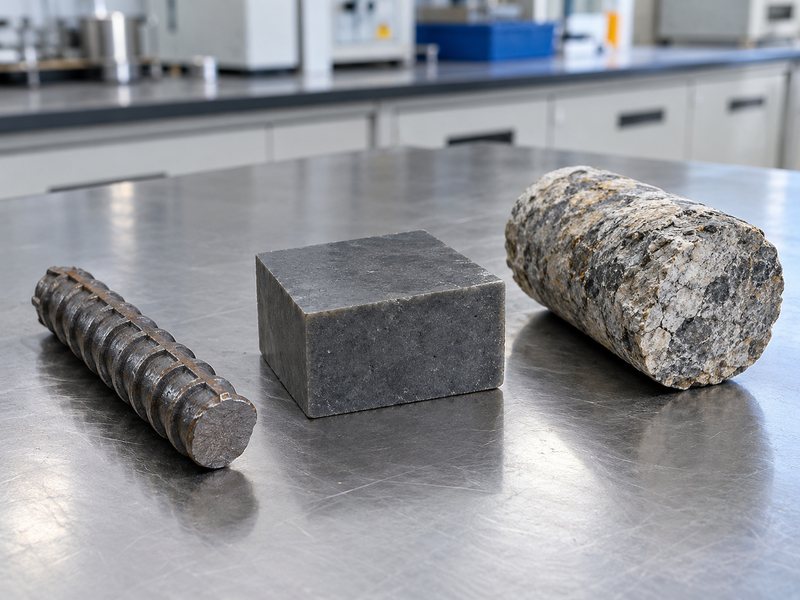
The evidence chain includes steel-to-resin contact, resin behavior, and resin-to-surrounding-material contact. A test may be limited by one of these regions or another component. Identify failure location before attributing the result to a single material. A system response cannot automatically isolate every interface property.
How should assembly scope be documented?
Request a setup drawing and component identities. Include associated anchorage components when their behavior enters the test response. Distinguish rock confinement from a laboratory tube. Their boundary conditions do not become equivalent merely because both contain resin.
- Identify all load-carrying components.
- Record confinement material and geometry.
- Describe observed failure location.
Trace load across each interface. Require the report to explain what limited the specimen before accepting a material-specific claim.
Which failure location changes interpretation?
| Observed limit | Evidence question |
|---|---|
| Steel-related failure | Was bond resistance fully mobilized? |
| Interface movement | Which interface and observation method? |
| Confinement damage | How did surrounding material affect response? |
A report should preserve alternative interpretations when examination cannot identify the governing region reliably. A diagram should identify interfaces explicitly rather than leave the governing region to inference from a product photograph.
3. Why does bonded length need careful interpretation?
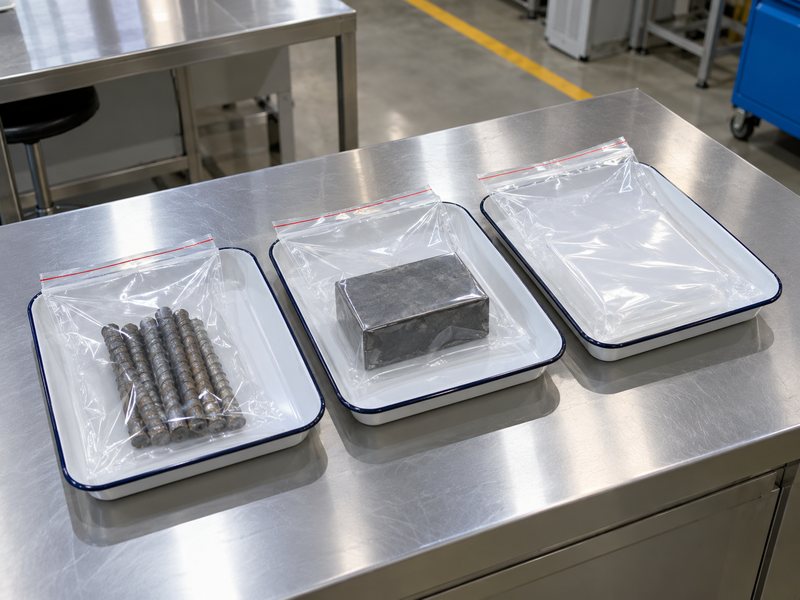
Bonded length needs careful interpretation because total specimen length and effective load-transfer length can differ. A resin anchorage evidence review should state how its bonded region was defined. Longer nominal encapsulation does not establish uniform stress along that region. Avoid multiplying one specimen result across arbitrary lengths.
Which length appears in calculations?
Ask whether calculations use intended encapsulation, measured contact, or an assumed length. Identify how missing resin or unbonded regions were treated. Keep test geometry separate from site design embedment. Engineering must justify any conversion between them.
- Identify the length used in each calculation.
- Record its measurement or assumption basis.
- Note unobserved or discontinuous regions.
Check the length denominator. Request a stated basis whenever a report converts load into average bond stress.
Which length definition should be recorded?
| Length term | Review question |
|---|---|
| Nominal encapsulation | What was intended during preparation? |
| Observed contact length | What examination established it? |
| Effective anchorage length | What engineering evidence supports its use? |
A length label becomes useful when its definition is reproducible and its relationship with measured behavior remains explicit. Where actual contact remains unobserved, disclose that assumption beside any calculated quantity that depends on it.
4. How can geometry change a laboratory comparison?
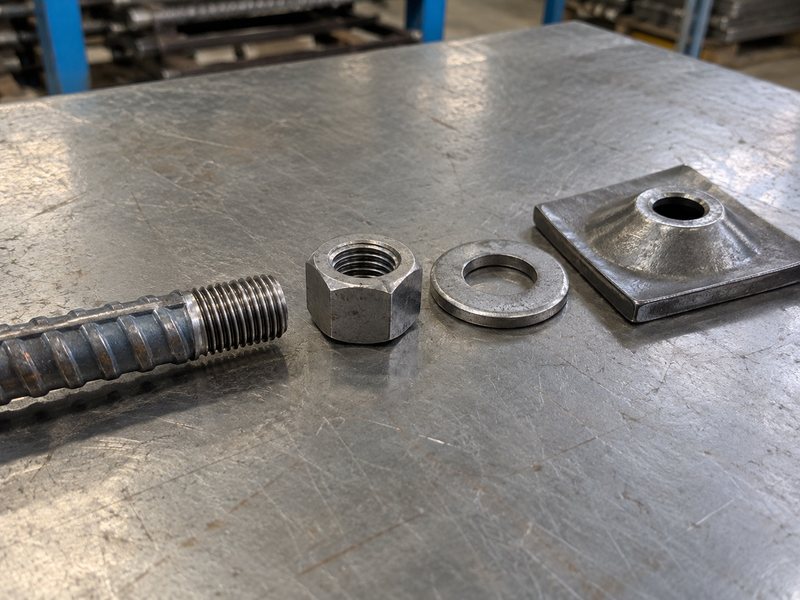
Geometry can change a comparison through bar profile, surrounding clearance, and specimen confinement. Published combination testing examined particular bolt and capsule arrangements. Its findings cannot qualify a different assembly without review. Compare complete configurations rather than attributing every result to resin identity alone.
Which external components should remain identified?
Document the whole assembly even when a report focuses on bond. A bearing plate reference can identify external components without proving buried behavior. Keep tested and supplied drawing revisions aligned. A change near the embedded end may deserve separate evaluation.
- Record bar profile and modified-end geometry.
- Identify confinement dimensions and material.
- Match tested drawings with proposed products.
Compare geometry before ranking values. Ask which differences the report controlled and which remained part of the combination being tested.
Which difference affects applicability?
| Geometry difference | Question raised |
|---|---|
| Bar profile | Is mechanical interaction represented? |
| Surrounding clearance | Are mixing and filling conditions comparable? |
| Confinement | Are boundary conditions relevant? |
A favorable combination result should remain attached to its configuration rather than become a universal statement about one ingredient. Changes between laboratory and field configurations should remain visible within the engineer’s written assessment of report applicability.
5. What does achieved encapsulation add to a report?
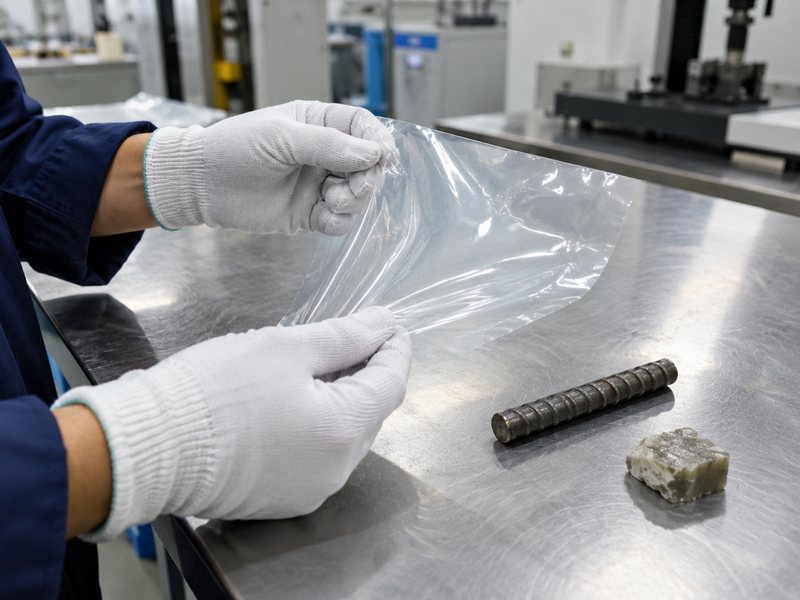
Achieved encapsulation adds evidence about what actually surrounded the installed steel. A resin bolt assessment should distinguish intended filling from observed condition. In-situ research found internal conditions that external completion records could not describe. Do not assume every nominally grouted region produced continuous contact.
Which observations help interpretation?
Map inspected areas and note unexamined regions. Describe retained film, unmixed material, and voids separately where present. Ask whether specimen preparation or recovery disturbed the evidence. A local observation should not be extended along an unseen bolt without justification.
- Record examination method and coverage.
- Separate intended from observed encapsulation.
- Preserve uncertainty about hidden regions.
Ask what contact was achieved. Review internal evidence alongside mechanical behavior rather than treating preparation instructions as proof of outcome.
Which evidence addresses encapsulation?
| Evidence | Supported statement |
|---|---|
| Preparation record | Intended specimen arrangement |
| Direct examination | Observed condition at examined regions |
| Mechanical result | Tested response with its actual condition |
A documented condition record helps explain specimen variability without assigning an unsupported fixed penalty to every visible defect. A report should identify whether examination preceded mechanical loading or followed a process that may have altered internal condition.
6. Why should displacement and failure mode accompany load?
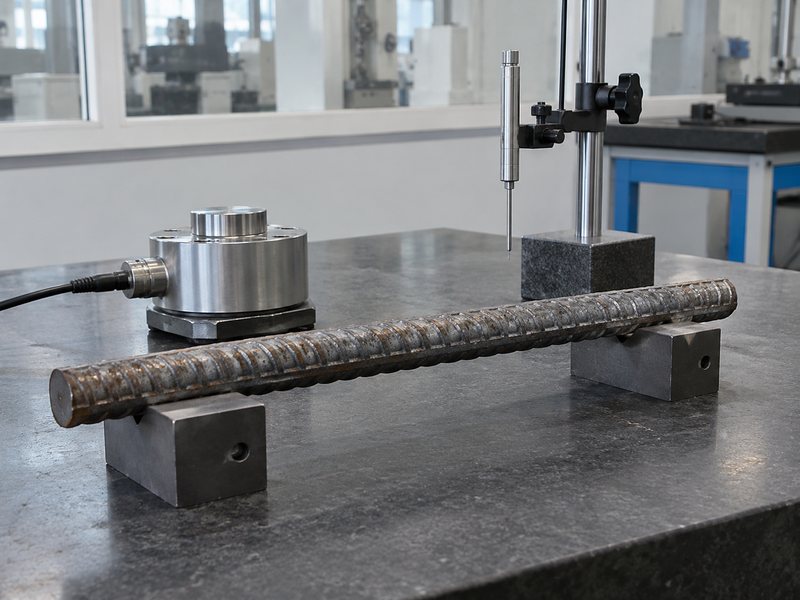
Displacement and failure mode should accompany load because one maximum value cannot describe how a specimen carried it. Two specimens can reach similar loads through different responses. Read the available record rather than selecting only a peak. Identify where observation ended and why.
Which questions make a report more useful?
Ask how displacement was measured and which components entered that measurement. Check whether failure was observed, inferred, or never reached. Distinguish an equipment limit from a specimen limit. Processing choices should remain traceable to original measurements.
- Review response shape within documented conditions.
- Identify measurement references and termination reason.
- Compare observed failure locations across specimens.
Read beyond the peak. Have engineering identify which part of the response answers the actual support question.
Which report detail changes interpretation?
| Detail | Interpretation purpose |
|---|---|
| Displacement reference | Defines measured movement |
| Failure mode | Identifies governing specimen behavior |
| Termination reason | Separates specimen response from test limits |
A maximum load without these details may support a narrower conclusion than the report's headline suggests. An equipment-limited result deserves clear wording so a reported stopping load is not mistaken for an observed failure.
7. Can average bond stress become a universal rating?

Average bond stress cannot become a universal rating without a justified engineering basis. A resin bolt product submission should preserve calculation assumptions and specimen boundaries. An average does not demonstrate uniform local stress. Scaling it across different geometries requires separate reasoning and evidence.
Which assumptions need visibility?
Identify the interface perimeter and bonded length used in calculation. Ask whether values describe nominal geometry or measured contact. Confirm unit consistency before comparing results. Keep design factors and acceptance decisions separate from the underlying laboratory calculation.
- Retain calculation definitions and units.
- Identify nominal and measured dimensions.
- Require justification for any scaling method.
Treat the average as a defined calculation. Ask engineering whether that quantity answers your procurement or design question.
Which statement stays within the evidence?
| Statement | Required support |
|---|---|
| Calculated specimen average | Stated load and geometry basis |
| Comparison across specimens | Compatible methods and assumptions |
| Application design value | Relevant engineering justification |
A precisely reported average remains limited by the assumptions used to derive it and the configuration actually tested. Require the calculation method when a supplier provides only a finished value without enough information for independent interpretation.
8. How should variability and sample scope be reviewed?
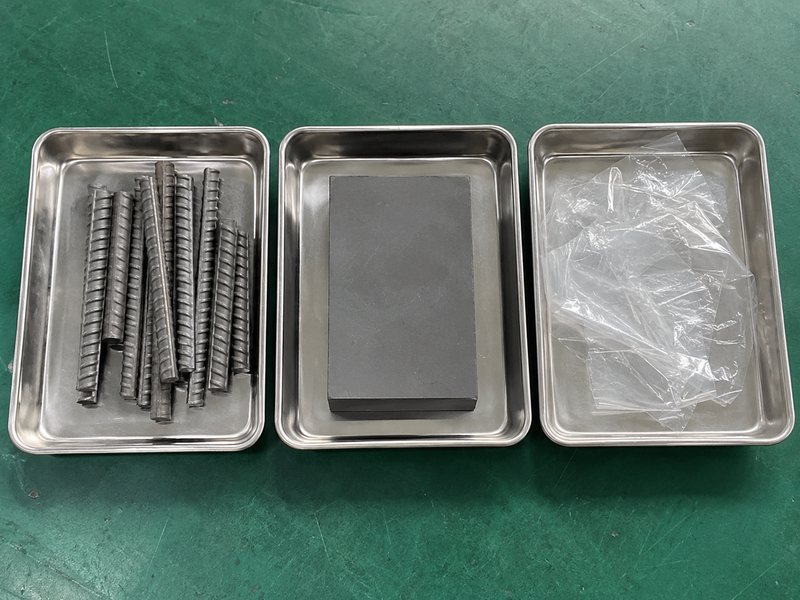
Variability should be reviewed across a documented specimen set rather than hidden behind one selected result. Sample identity and exclusion decisions belong in the report. A narrow laboratory population cannot establish every field condition. Ask how the tested population relates to proposed goods and intended service.
Which selection details deserve scrutiny?
Check whether samples came from identified lots and whether preparation was consistent. Retain unsuccessful or interrupted tests with explanations. Different specimen preparation may explain variation without proving a production defect. Separate known differences from unexplained scatter.
- Identify sample origin and preparation conditions.
- Record exclusions and interrupted tests.
- Review the full relevant result set.
Keep the population visible. Avoid accepting a best-case result as the entire evidence package.
Which scope detail supports comparison?
| Scope detail | Review purpose |
|---|---|
| Sample identity | Connects results with products |
| Preparation record | Identifies known differences |
| Full result set | Reveals variation and exclusions |
A credible report can explain its population boundaries without claiming that limited samples represent every future installation. Population limits should remain part of any conclusion transferred from a research program into a purchasing assessment.
9. What should a bond-strength RFQ request?

A bond-strength RFQ should request evidence for the proposed combination and intended decision. A resin bolt inquiry should identify product drawings, anchoring medium, geometry, and reporting requirements. A generic capacity certificate may answer a different question. Ask suppliers to state applicability limits clearly.
Which engineering questions belong in the inquiry?
Define whether your concern concerns interface behavior, effective anchorage, or a comparison between combinations. Request report methods and failure descriptions without prescribing unsupported numerical thresholds. Have responsible engineers establish applicable acceptance requirements. Commercial staff should preserve technical conditions within the quotation review.
- Identify the exact proposed combination.
- Request relevant test and examination scope.
- Assign review responsibility for remaining gaps.
Request the evidence your decision needs. Return unrelated reports for clarification rather than counting their presence as compliance.
Which requested document serves which purpose?
| Requested document | Decision supported |
|---|---|
| Controlled drawing | Product and geometry identity |
| Relevant test report | Behavior within stated conditions |
| Applicability statement | Relationship with intended use |
A technical submission should explain why its evidence is relevant rather than leave reviewers to infer equivalence from similar names. Keep conditional technical acceptance visible when a quotation proceeds commercially before all required evidence has been supplied.
10. How should you decide whether evidence is sufficient?

Evidence is sufficient when responsible engineers can connect the tested combination with the intended requirement and identify its limits. A report may support a bounded procurement decision without proving universal bond behavior. Record unresolved differences explicitly. Do not convert an incomplete comparison into an unconditional approval.
What belongs in the acceptance record?
Identify accepted documents, applicable configurations, and any conditions requiring further evaluation. Record who approved interpretation and which evidence supported it. Keep site verification requirements visible through procurement. A later component change should trigger review of affected evidence.
- State the accepted configuration and scope.
- Identify conditional or missing evidence.
- Preserve change-control responsibilities.
| Closure check | Action to retain |
|---|---|
| 1 | State the accepted configuration and scope. |
| 2 | Identify conditional or missing evidence. |
| 3 | Preserve change-control responsibilities. |
Approve a defined evidence package. Share your combination details and report requirements when you contact us. Request product-specific information that your engineer can assess against an actual support requirement.
Q1: Can I compare bond strength values without setup details?
No. Geometry, confinement, calculation method, and failure mode determine what each value represents.
Q2: Does longer encapsulation always increase capacity proportionally?
Do not assume proportional scaling. Effective load transfer and local conditions require an engineering basis.
Q3: Is a maximum load the same as bond stress?
No. Bond stress generally involves a calculation using defined interface geometry and length assumptions.
Q4: Can one resin report qualify every steel bar?
No. Check the actual tested combination and justify any change in bar profile, geometry, or surrounding conditions.
Q5: What is the best question to ask about a report?
Ask what limited the tested specimen and how that evidence applies to your proposed anchored assembly.