
Cuttable fiberglass rib bolts require a matched bar, nut, plate or pan, and a documented application boundary. A cuttable bar can still arrive with unsuitable ancillary parts or incomplete evidence. Review the complete assembly before purchasing. Published manufacturer information describes cuttable FRP rib-support combinations for coal mining. An inquiry about cuttable fiberglass rib bolts should request product-specific proof for every claimed function.
1. What should cuttable fiberglass rib bolts accomplish?
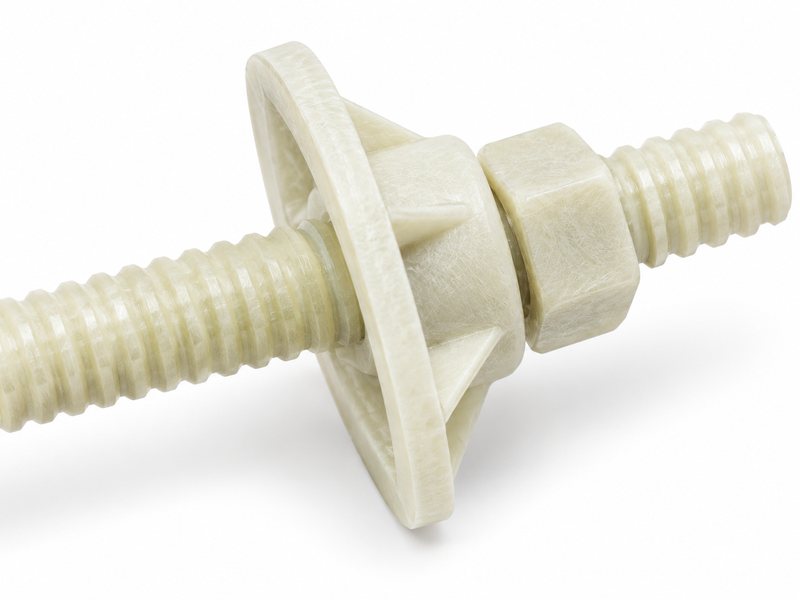
Cuttable fiberglass rib bolts should provide the specified rib-support function within an approved assembly while meeting a defined cuttability requirement. Those are separate engineering questions. A product can have supporting evidence for one without adequate evidence for another. State both requirements in procurement documents.
How should the application be defined?
Identify the intended mining area, support duty, and later excavation interaction. Keep the service period and operational sequence visible. Do not treat a general fiberglass description as qualification for this application. Responsible mine engineers should define applicable acceptance requirements.
- State the intended rib-support duty.
- Describe the later cutting requirement.
- Identify which assembly components must comply.
Define both functions. Ask bidders to address support evidence and cutting evidence separately for the proposed combination.
Which requirement needs which evidence?
| Requirement | Evidence question |
|---|---|
| Rib support | Is the assembly qualified for the intended duty? |
| Cuttability | What specific interaction has been demonstrated? |
| Complete assembly | Do all relevant components meet the requirement? |
A clear application statement prevents the word cuttable from becoming an unsupported substitute for a complete technical specification. Keep both requirements attached to the same component list so later substitutions do not escape one part of review.
2. Why must nuts and other components be included?
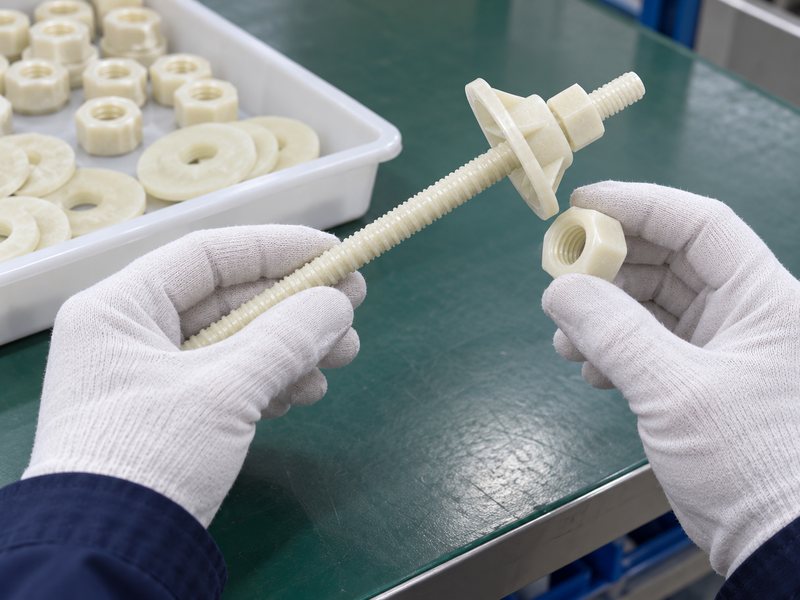
Nuts and other components must be included because they form part of the load path and later material interaction. Manufacturer literature describes matched FRP bars with nonmetallic nuts, pans, and plates. That description does not establish interchangeability across suppliers. Require identified components for the actual proposed assembly.
Which substitutions deserve review?
Record material identity, geometry, and mating requirements. A generic accessory catalogue can help frame an inquiry but cannot confirm cuttable compatibility. Keep any metal insert or auxiliary item visible within the component list. Ask engineering whether it affects the application requirement.
- Identify every load-carrying component.
- Record proposed substitutions explicitly.
- Request compatibility and application evidence.
Check the small parts. Ask for a complete bill of materials before approving a bar-only quotation.
Which component question belongs in the RFQ?
| Component | Question to resolve |
|---|---|
| Nut | Matched geometry and material evidence? |
| Plate or pan | Appropriate support and cutting functions? |
| Auxiliary part | Included within the application review? |
An omitted ancillary part can leave the technical submission incomplete even when the main bar remains correctly identified. A separate drawing reference for each supplied component helps preserve the approved combination during receiving and warehouse picking.
3. What should cuttability evidence actually describe?
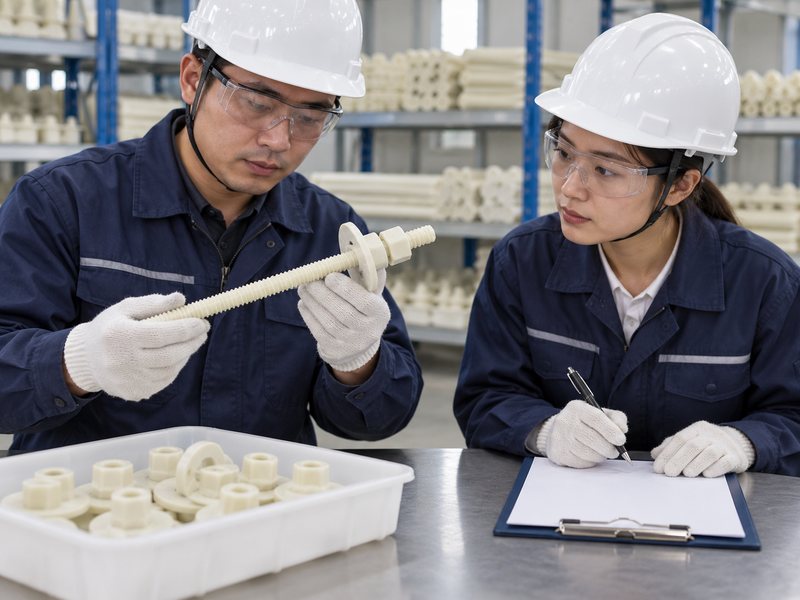
Cuttability evidence should describe the product, equipment interaction, and evaluated conditions. A GFRP product submission should identify whether evidence concerns the bar alone or its complete assembly. Avoid accepting a broad claim that every machine can cut every fiberglass product. A material name cannot establish universal compatibility.
How should reports be reviewed?
Ask which product revision and components were evaluated. Identify whether the evidence came from a laboratory demonstration, equipment assessment, or relevant field use. Each source has a different scope. Request explicit limitations rather than interpreting silence as unrestricted suitability.
- Identify evaluated product and assembly.
- Record the relevant equipment interaction.
- State excluded or untested conditions.
Ask what was actually evaluated. Have equipment and ground-control reviewers assess the evidence within their respective responsibilities.
Which claim should remain bounded?
| Claim | Required clarification |
|---|---|
| Cuttable bar | Which bar and evaluation conditions? |
| Cuttable assembly | Which ancillary components were included? |
| Suitable for planned excavation | What application-specific evidence supports it? |
Keep demonstrated behavior attached to its evaluated product and conditions rather than expanding a demonstration into a general promise. When the evaluated equipment differs from planned equipment, record that gap before extending the claim to your application.
4. How should rib pans and plates be specified?
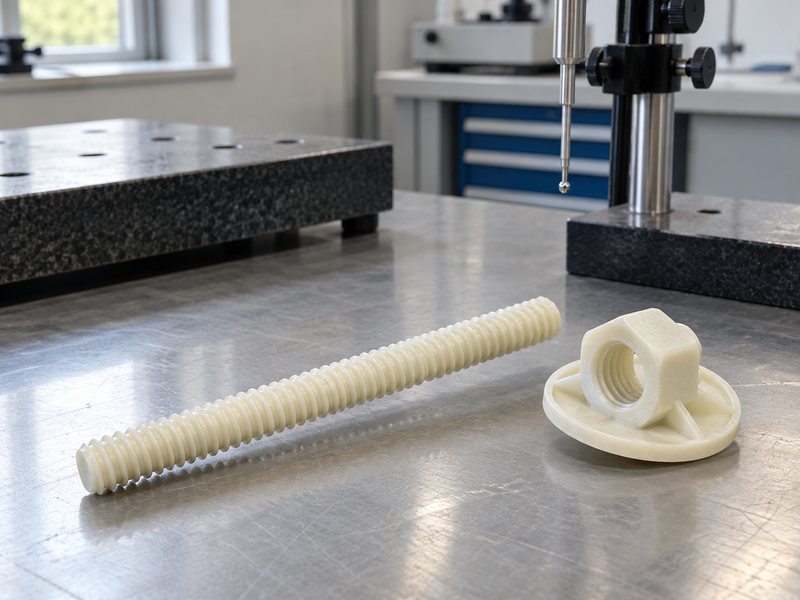
Rib pans and plates should be specified through approved component drawings and intended assembly geometry. Their material and support function require identification. A generic metal plate should not silently replace a specified cuttable component. Purchasing staff need clear part references before comparing quotations.
Which interfaces need confirmation?
Review bar, nut, pan, mesh, and supported surface together where applicable. Use general bearing plate information only for component discussion, then request the actual cuttable design evidence. Confirm any permitted installation orientation through product documents. Do not infer angle capability from a product photograph.
- Identify plate or pan material and drawing.
- Confirm matched nut contact geometry.
- Record the intended surface-support arrangement.
Specify the receiving interface. Ask suppliers to identify the precise plate or pan included within their technical proposal.
Which drawing feature supports review?
| Feature | Question answered |
|---|---|
| Opening and seating geometry | How does the nut contact this component? |
| Overall form | What support arrangement is proposed? |
| Material identity | Is the cutting requirement addressed? |
A controlled part reference preserves the evaluated assembly through purchasing, receiving, and warehouse picking. An apparently minor change in contact geometry should remain visible within the review rather than disappear under a common part name.
5. Which mechanical properties need separate evidence?
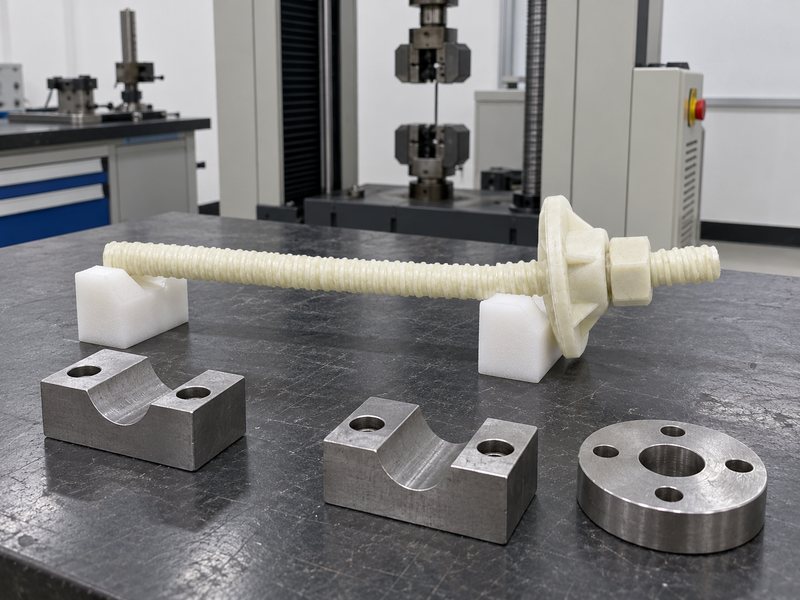
Mechanical properties need separate evidence for the relevant loading mode and assembly. A fiberglass support inquiry should distinguish bar tensile behavior from nut, plate, and system behavior. Cuttability cannot establish any of those capacities. Avoid transferring another manufacturer's reported values into your specification.
Which report details should reviewers request?
Identify specimen construction, geometry, loading mode, and failure location. Check whether the report describes material-only samples or complete support assemblies. Keep characteristic declarations and engineering design values separate. Your engineer should determine which evidence meets the actual duty.
- Separate bar and connection evidence.
- Identify relevant loading modes.
- Preserve test conditions and failure descriptions.
Keep each property in its lane. Ask engineering to identify missing evidence before procurement accepts a headline strength claim.
Which property answers which question?
| Property evidence | Relevant scope |
|---|---|
| Bar tensile result | Tested bar and loading arrangement |
| Connection result | Identified nut and mating geometry |
| Assembly result | Included components and stated conditions |
A complete mechanical evidence package should identify untested components as clearly as those represented by submitted results. A result for one assembly component should not silently become a declared capacity for every other part in the system.
6. How should excavation equipment concerns be handled?
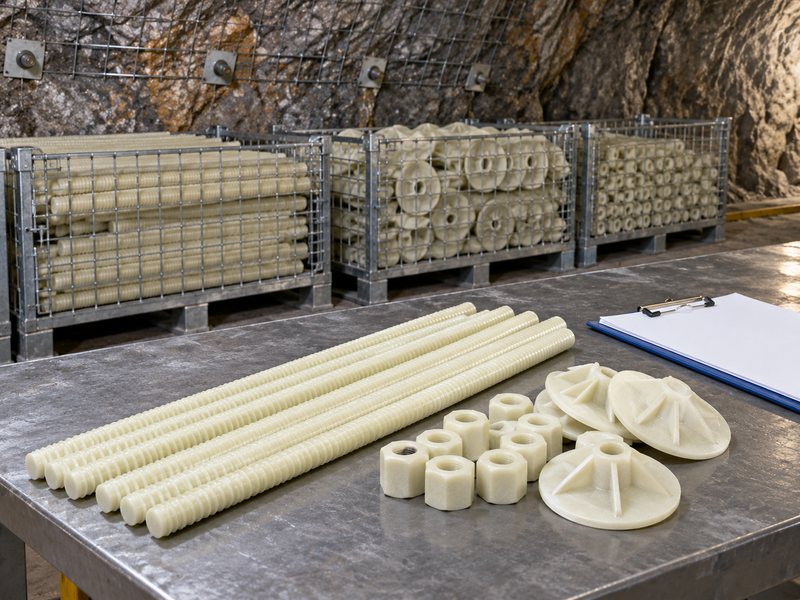
Excavation equipment concerns should be handled through equipment-specific review and mine procedures. A supplier's cuttable claim cannot establish acceptable interaction with every cutting system. Identify the actual planned equipment and process. Keep personnel protection and material-handling requirements within applicable site and manufacturer controls.
Which questions should equipment reviewers answer?
Ask which components may encounter cutting tools and how recovered material enters subsequent handling. Identify untested interactions without inventing consequences. Request relevant equipment guidance where available. A purchasing decision should preserve restrictions imposed by responsible operational reviewers.
- Identify the planned equipment configuration.
- Map which assembly parts may be encountered.
- Record required operating and handling controls.
Bring equipment specialists into the review. Resolve their questions before treating a general material claim as operational approval.
Which review area needs an owner?
| Review area | Responsible evidence question |
|---|---|
| Cutting interaction | Is the proposed assembly relevantly evaluated? |
| Material handling | What product-specific guidance applies? |
| Site controls | Which existing procedures govern the work? |
A useful review identifies responsibilities without inventing machine settings or handling rules unsupported by product and site documentation. Unresolved equipment questions deserve an identified owner and response requirement before commercial approval is treated as operational acceptance.
7. Why should processing requirements appear in procurement?
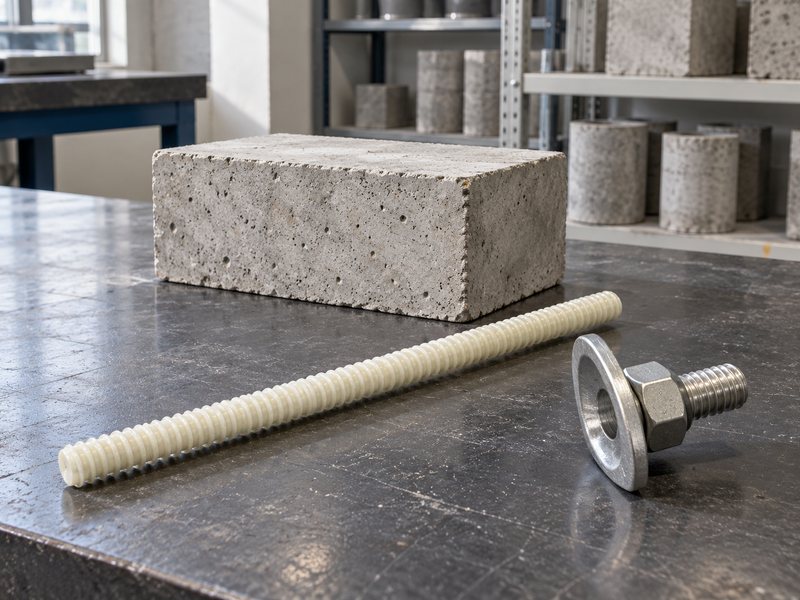
Processing requirements should appear in procurement when support materials may enter downstream systems. A cuttable support product inquiry should identify relevant mine-specific restrictions. Do not assume all fiberglass components behave identically during separation or handling. Require evidence for any claimed processing compatibility.
Which claims need clarification?
Ask whether proposed components contain different materials or inserts. Identify where the application requires a particular material behavior. Avoid adopting another product's density or separation claim. Keep these requirements separate from structural approval because they answer different operational questions.
- Provide relevant processing restrictions.
- Request complete material declarations.
- Identify unverified compatibility statements.
Follow the material beyond the rib. Ask processing personnel which evidence they need before approving the proposed component set.
Which information supports processing review?
| Information | Review purpose |
|---|---|
| Material declaration | Identifies proposed constituent materials |
| Component list | Reveals inserts and ancillary parts |
| Relevant evaluation | Addresses the actual processing question |
A processing acceptance statement should identify its conditions rather than imply suitability for every plant or material stream. Require any processing-related claim to identify the specific component and conditions represented by its supporting evidence.
8. What should receiving inspection verify?
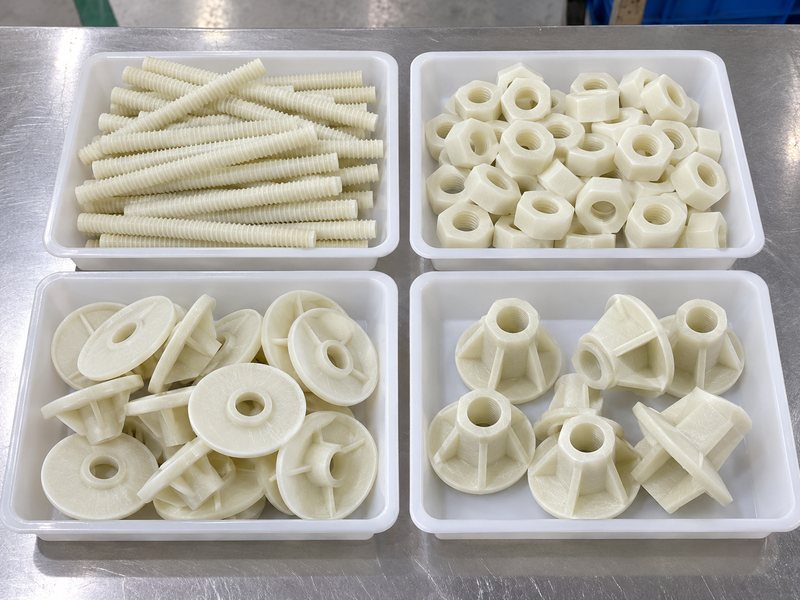
Receiving inspection should verify the identified assembly, traceability, condition, and required documents. Separate matched component sets from visually similar substitutes. A package labeled fiberglass does not establish cuttable-system qualification. Receiving staff should release stock against approved procurement requirements.
Which visible conditions deserve recording?
Document damage, exposed fibers, deformed threads, or other visible irregularities without inventing acceptance limits. Compare findings with applicable product requirements. Keep affected samples identifiable while awaiting disposition. Handling and storage instructions should come from the actual supplier documents.
- Reconcile part identities and lot records.
- Record visible condition before further handling.
- Verify required evidence and authorized disposition.
Receive the approved combination. Use a checklist that preserves component matching through warehouse release.
Which receiving check protects traceability?
| Check | Decision supported |
|---|---|
| Part and lot identity | Connection with approved evidence |
| Visible condition | Need for further review or disposition |
| Document completeness | Compliance with ordered requirements |
A documented receiving decision cannot replace engineering qualification, but it helps preserve the assembly that engineering actually evaluated. If component identities cannot be reconciled, keep the assembly status unresolved until an authorized review provides a disposition.
9. How should an RFQ avoid incomplete comparisons?
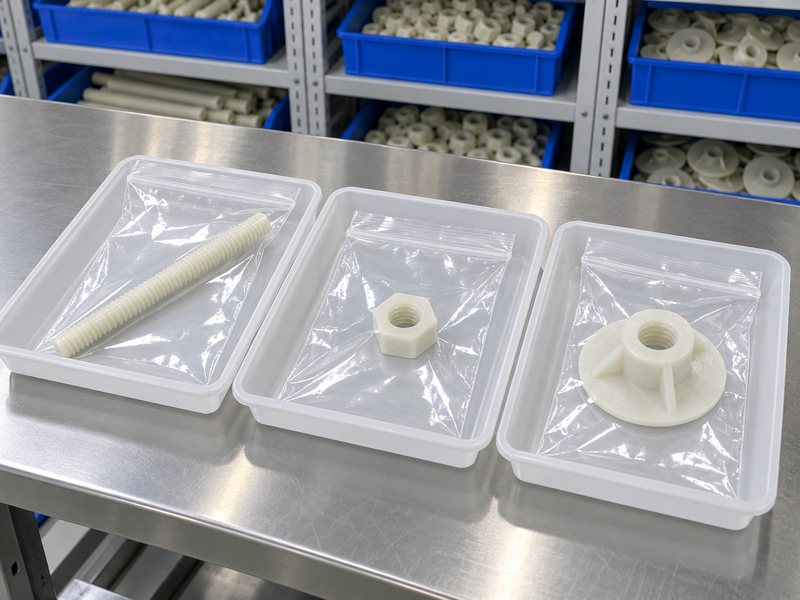
An RFQ should compare complete assemblies with separately stated support and cutting requirements. A GFRP quotation request should ask suppliers to identify evidence gaps and limitations. Do not rank bids through bar unit price alone. Missing nuts, pans, or qualification evidence can change scope materially.
Which commercial details belong beside technical scope?
Record included components, required reports, packaging, and any evaluation obligations. Leave unverified prices, availability, and delivery promises out of generic technical guidance. Ask bidders to identify substitutions explicitly. Keep technical acceptance conditions attached to the commercial comparison.
- Specify complete bill of materials.
- Request product-specific evidence references.
- Separate quoted scope from unresolved requirements.
Make bid boundaries comparable. Ask procurement and engineering to reconcile scope before selecting a commercial preference.
Which bid difference needs clarification?
| Difference | Clarification required |
|---|---|
| Bar-only versus assembly | Which components are included? |
| Generic versus relevant evidence | What actual requirement is supported? |
| Proposed substitution | Who must approve the change? |
A quotation becomes reviewable when omitted items and conditional claims remain visible rather than appearing as assumed inclusions. Purchasing records should retain conditional requirements so later order processing does not turn an incomplete submission into unconditional acceptance.
10. What should you approve before ordering?
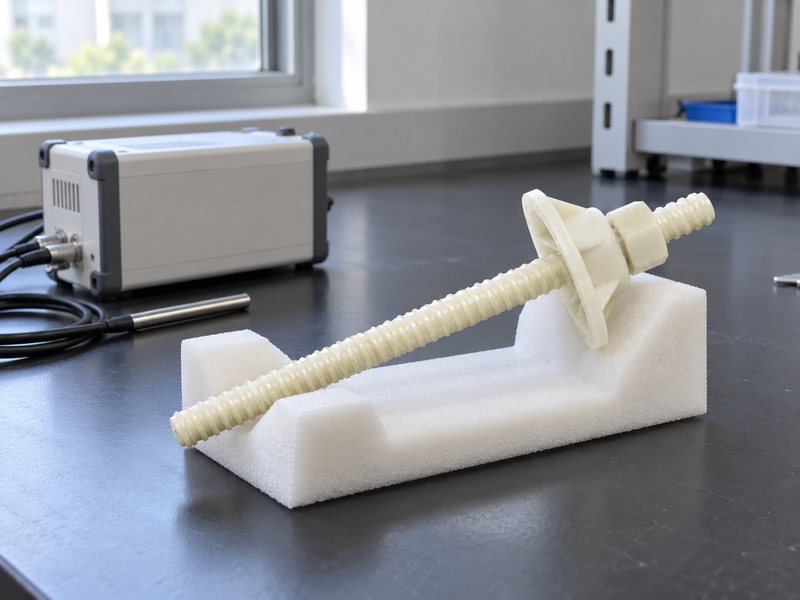
Approve the identified assembly, evidence scope, and application limits before ordering for a defined rib-support duty. A general fiberglass page cannot establish your proposed cuttable configuration. Record outstanding engineering and equipment questions. Keep any conditional purchasing decision explicit until required evidence arrives.
What should your inquiry package contain?
Provide the support requirement, planned excavation interaction, component list, and relevant processing restrictions. Request drawings and technical reports for the proposed goods. Ask suppliers to state which requirements remain unsupported. Review responses through your mine's established approval process.
- Define the complete application.
- Identify matched components and evidence needs.
- Record technical conditions before commercial release.
| Closure check | Action to retain |
|---|---|
| 1 | Define the complete application. |
| 2 | Identify matched components and evidence needs. |
| 3 | Record technical conditions before commercial release. |
Order the evaluated assembly. Share your required component set and qualification questions when you contact us. Request product-specific confirmation before assuming that a listed GFRP product meets a cuttable rib-support requirement.
Q1: Does a fiberglass bar automatically form a cuttable system?
No. Confirm the actual bar, nut, plate or pan, and other components against your defined application requirement.
Q2: Can I use a standard metal nut with a cuttable bar?
Do not assume suitability. That substitution requires compatibility and application review for the complete assembly.
Q3: Does cuttability establish structural capacity?
No. Cutting behavior and mechanical support evidence address different requirements and require separate evaluation.
Q4: Can I reuse another supplier's published strength values?
No. Product-specific construction and test conditions prevent unsupported transfer of values between manufacturers.
Q5: What should I send before asking for a quotation?
Provide support duty, complete components, equipment interaction, processing restrictions, and required technical evidence.