Technical Overview: Guide Roller Engineering
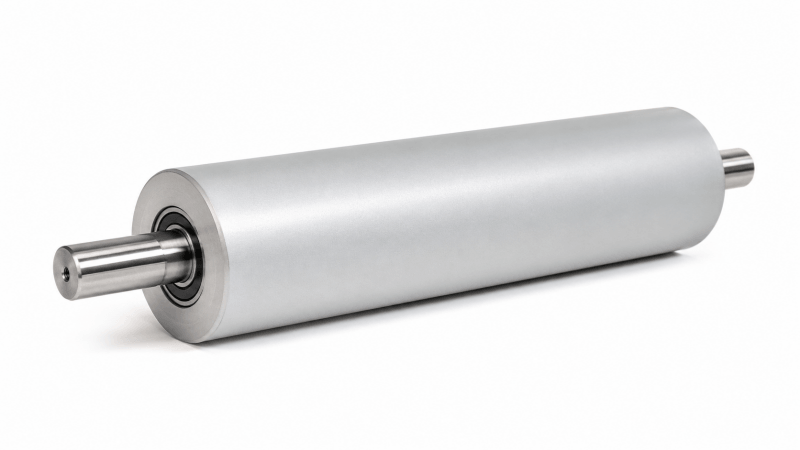
Our guide rollers are engineered for high-performance industrial environments where precision is non-negotiable. Utilizing aerospace-grade aluminum or hardened steel cores, each roller undergoes dynamic balancing to ISO 1940 standards. The surface geometry is optimized to eliminate air entrapment and ensure uniform contact pressure across the entire web width.
Material Guiding
Active edge-tracking and center-line stabilization for high-speed webs.
Tension Control
Low-inertia design to prevent material stretching or slack during acceleration.
Alignment
Micrometer-level axial adjustment for perfect downstream registration.
Conveying Support
Optimized friction coefficients to prevent slippage and surface marring.
Engineered for zero-defect production.
Problems Guide Rollers Solve
Eliminate production bottlenecks and material waste caused by poor mechanical alignment and surface friction.
Material Deviation
Web drifting off the center line causing edge damage or processing errors.
Wrinkles
Ineven tension distribution leading to folds and creases in thin materials.
Unstable Tension
Fluctuations causing breakage or inconsistent coating thickness.
Scratches
Rough surfaces or improper rotation speeds marring delicate finishes.
Vibration
Mechanical chatter at high speeds reducing precision and component life.
Low Accuracy
Poor runout performance leading to registration issues in printing.
Unstable Conveying
Slippage between material and roller surface in high-acceleration lines.
Ready to optimize your entire line process?
Why Guide Roller Quality Matters
Small roller quality differences can create big changes in line stability, product accuracy and defect rate.
In high-speed production, guide rollers are the silent guardians of your material's journey. Even a microscopic deviation in concentricity or surface roughness can lead to catastrophic tracking errors, inconsistent tension, or permanent surface scarring on delicate substrates.
Concentricity
Ensures the roller rotates perfectly around its geometric center.
Radial Runout
The total variation of the roller surface during a 360-degree rotation.
Dynamic Balance
Weight distribution optimized for the roller's specific RPM rating.
Surface Roughness
Controlled Ra/Rz values to match the friction needs of the material.
Bearing Life
Integration of high-grade bearings within precision-bored housings.
Coating Stability
Chemical and physical bonding of coatings like Chrome or Ceramic.
Better guide roller quality means more stable production and fewer quality risks.
Featured Guide Roller Products
6 Core Guide Roller Types for Precision Web, Material and Industrial Line Control
Our standard and specialized rollers are engineered to provide maximum control for any industrial substrate, from delicate medical films to heavy-duty non-wovens.
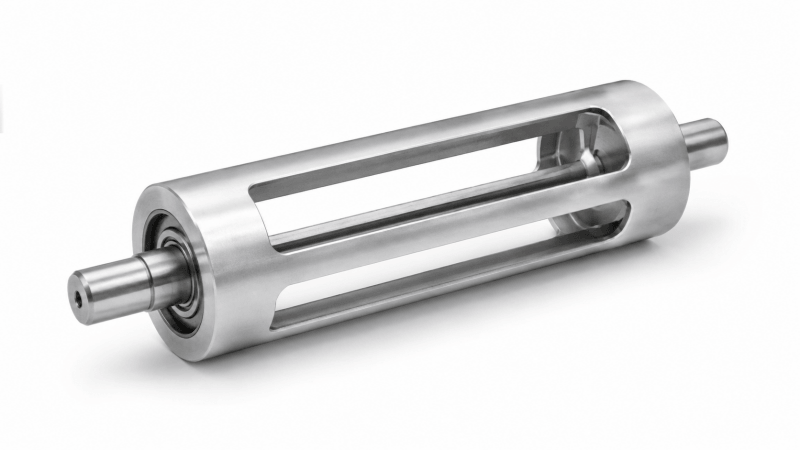
Standard Smooth Roller
High-precision aluminum or steel roller for general web guiding.
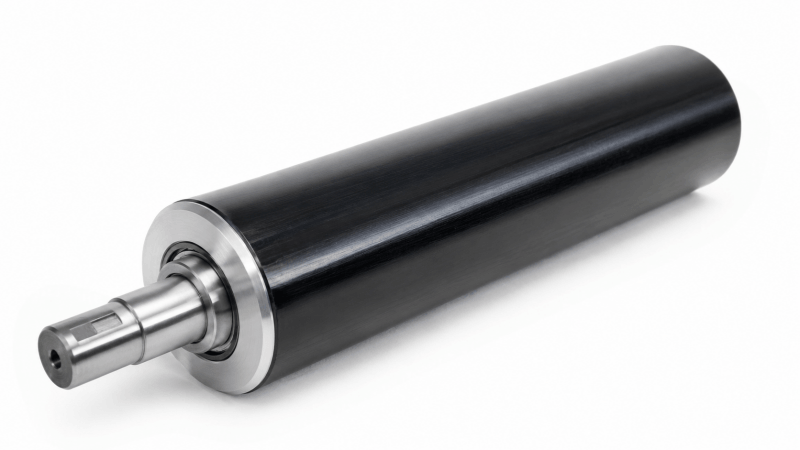
Hollow Lightweight
Reduced inertia design for rapid acceleration and low-tension lines.
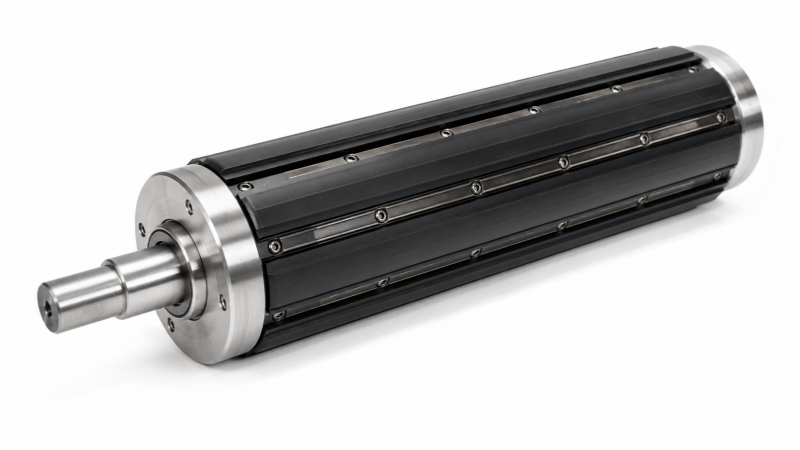
Coated Roller
Surface treatments including hard chrome, ceramic, or tungsten carbide.
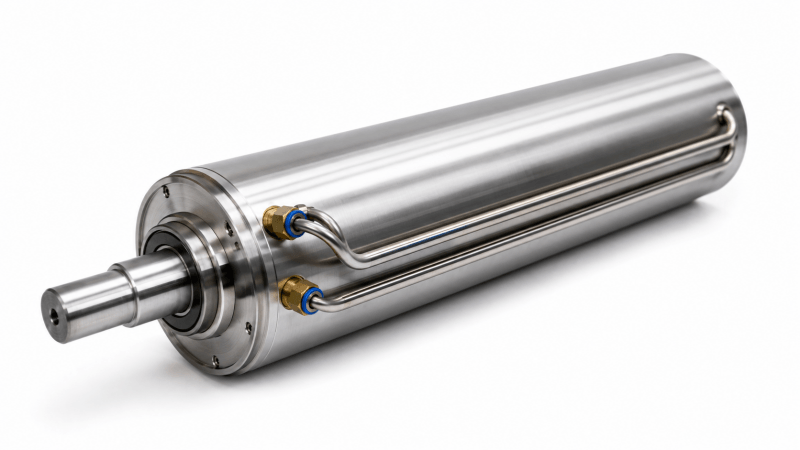
Spreading/Expander
Active wrinkle removal and web width stabilization for soft materials.
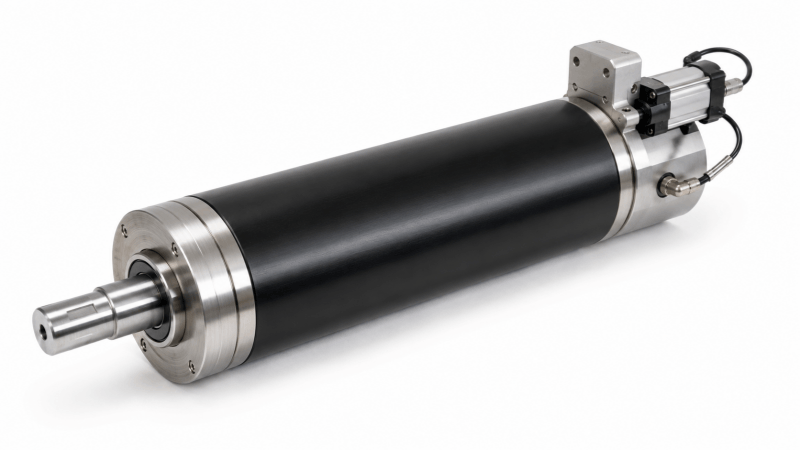
Temperature-Control
Internal heating or cooling channels for thermal substrate management.
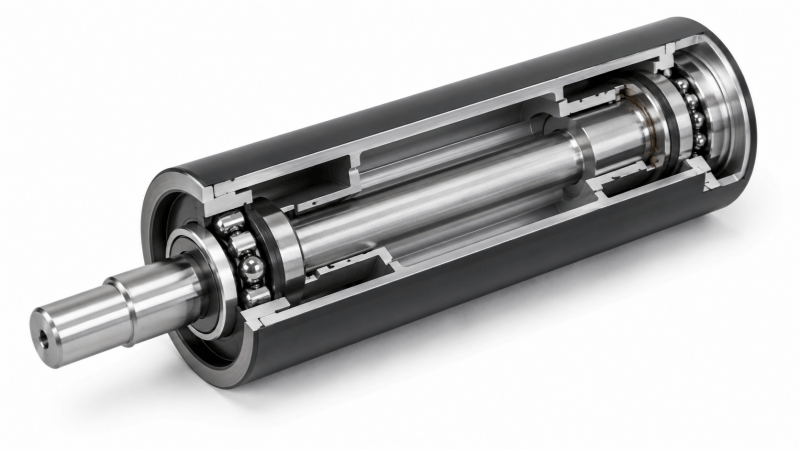
Steering/Correcting
Active alignment systems to keep material centered on the line.
Different guide roller structures solve different line control needs.
Guide Roller Types by Structure & Function
Different guide roller structures are designed for different material guiding, tension, spreading, temperature and correction needs.

The right guide roller type should match the real production problem.
Guide Roller Core Structure
Engineered for maximum stability and concentricity, our guide rollers feature a modular architecture. Each unit is precision-machined to ensure optimal load distribution and minimal rotational resistance, essential for high-speed industrial processing.
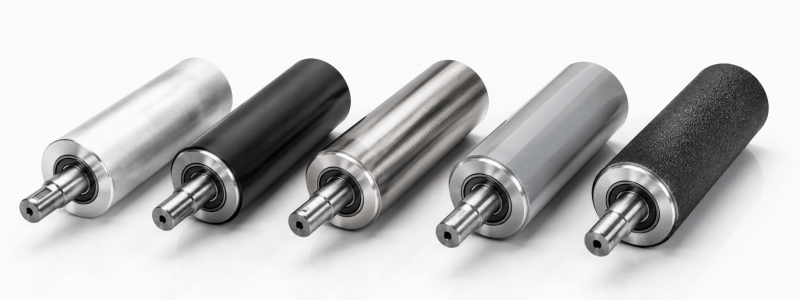
Roller Body
The primary cylindrical element, machined to micron-level tolerances for perfect circularity.
Shaft
Hardened steel or alloy core designed to resist deflection under high tension loads.
Bearings
High-precision ball or roller bearings selected for specific RPM and temperature ranges.
Seals
Labyrinth or contact seals to prevent ingress of dust and moisture in harsh environments.
Surface Layer
Functional coating or treatment applied for traction, protection, or thermal properties.
Accessories
Optional components including end caps, tensioners, and specialized mounting hardware.
Download full engineering CAD drawings and technical cross-sections.
Material Options for Guide Rollers
Selecting the correct substrate is critical for weight optimization, thermal expansion management, and corrosion resistance.
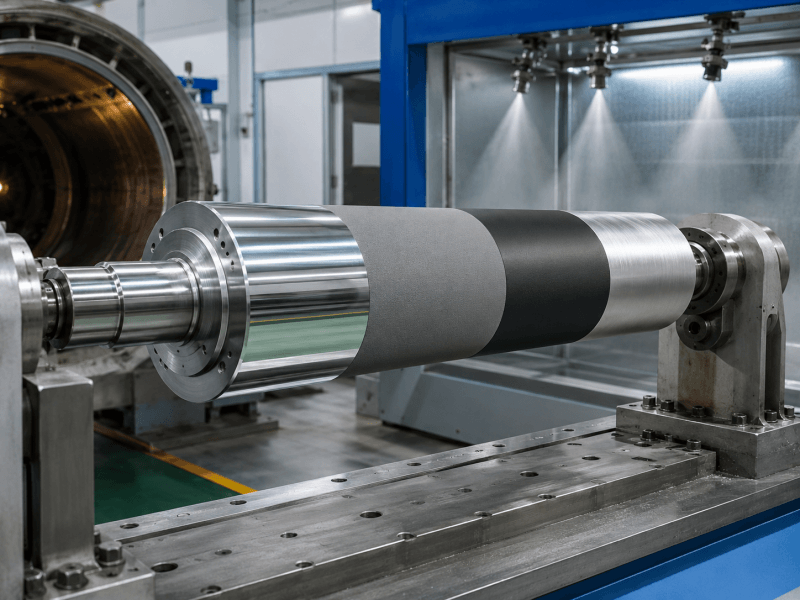
Steel
High strength, cost-effective, standard for heavy load apps.
Aluminum Alloy
Low inertia, excellent heat dissipation, corrosion resistant.
Carbon Fiber
Ultra-lightweight, high stiffness, ideal for wide webs.
Ceramic
Zero thermal expansion, extreme wear resistance.
Polymer
Chemical resistant, non-marking, vibration dampening.
Quick Selection Guide
For high-speed paper lines (RPM > 3000), Aluminum or Carbon Fiber is recommended to reduce rotational inertia. For heavy-duty textile processing, Hardened Steel provides the necessary structural rigidity.
Unsure which material fits your application? Consult our material scientists.
Surface Treatment & Functional Coating Options
Fine-tune your guide roller performance with advanced surface treatments designed to enhance traction, reduce friction, or provide chemical barriers.
Industry Recommendation:
Teflon coatings are mandatory for adhesive processing or high-tack film production.
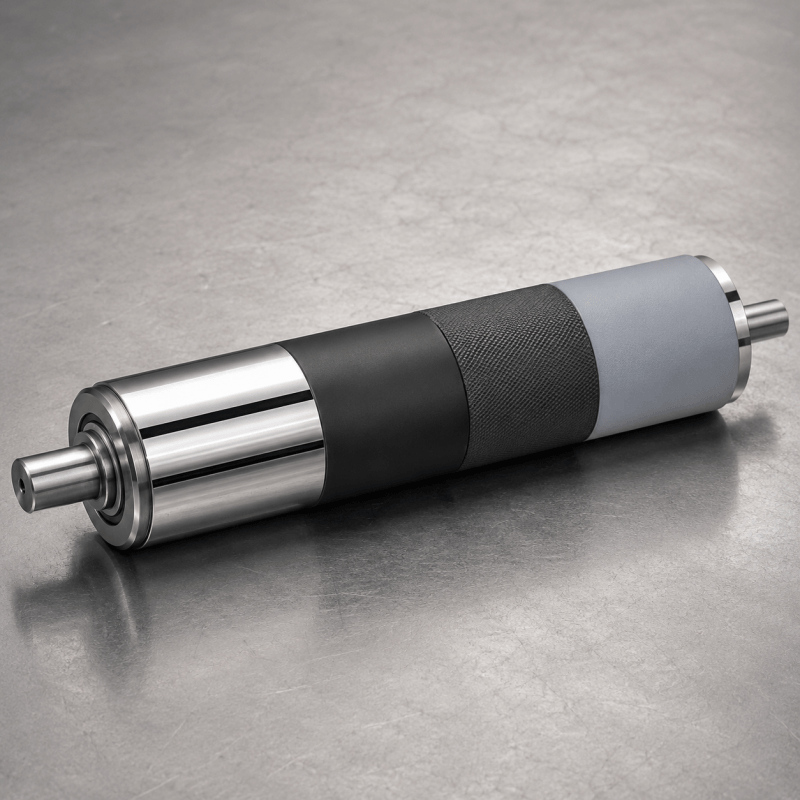
Anodized
Increased hardness and corrosion protection for aluminum substrates. Available in various colors.
Hard Chrome
Mirror-finish plating providing extreme abrasion resistance and surface smoothness (Ra 0.1-0.4).
Teflon (PTFE)
Non-stick surface treatment for applications involving adhesives, glues, or molten polymers.
Ceramic Spray
Plasma-sprayed coating for maximum thermal insulation and dielectric properties.
Rubber / PU
Elastomeric covers for high-traction, anti-slip requirements and delicate material handling.
Functional Requirement Matching Table
| Requirement | Primary Option | Alternative Option | Wear Life |
|---|---|---|---|
| Anti-Adhesive | Teflon (PTFE) | Plasma Coating | Medium |
| Extreme Abrasive Environment | Ceramic Spray | Hard Chrome (800 HV) | Extreme |
| Corrosive Acids/Bases | High-End Polymer | Hard Anodizing | High |
| High Speed (Reduced Slip) | Polyurethane | Knurled Surface | Medium |
Explore our custom surfacing capabilities for unique industrial requirements.
Key Technical Parameters
Core technical parameters that define guide roller precision, stability, surface performance and production line compatibility.
Size Matching
- Roller DiameterØ50-Ø300mm
- Face LengthUp to 6000mm
- Shaft DiameterCustomized
- Overall LengthL+200mm
Precision Control
- Concentricity≤ 0.02mm
- Radial Runout≤ 0.01mm
- Dynamic BalanceG1.0 - G2.5
Surface Perf.
- RoughnessRa 0.2 - 0.8
- HardnessHV 800-1100
- Coating Thick.50μm - 150μm
Load & Env
- Rated Load500kg - 2T
- Working Speed800m/min
- Temperature-20° to 250°C
- Anti-Static10^6 - 10^9 Ω
How Technical Parameters Affect Production Performance
Precise dimensioning and runout control directly reduce vibration, preventing material scratching and ensuring consistent tension across high-speed webs.
Production Process & Precision Manufacturing
From raw material preparation to precision machining, surface treatment, dynamic balancing and final inspection.
Why Manufacturing Process Matters
Our 7-step rigorous protocol ensures each roller meets G1.0 balancing standards, significantly extending bearing life and reducing downtime in 24/7 manufacturing environments.
Application Industries
Guide roller solutions for printing, packaging, paper, textile, new energy, metallurgy, optical and electronic production lines.
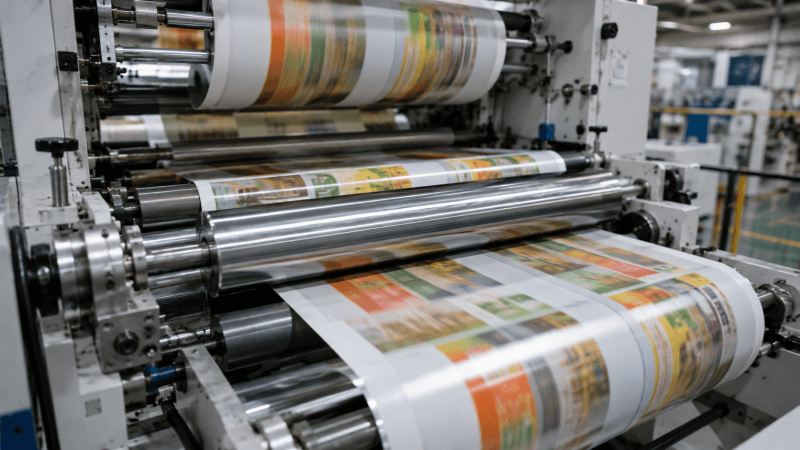
Printing & Packaging
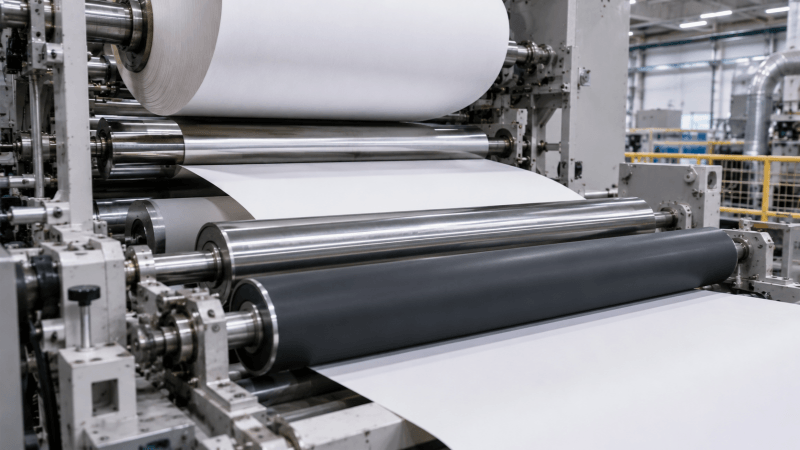
Paper Industry
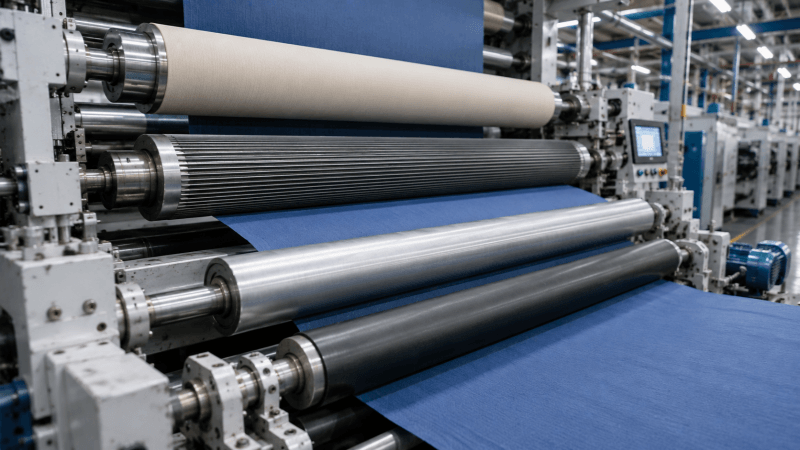
Textile Industry
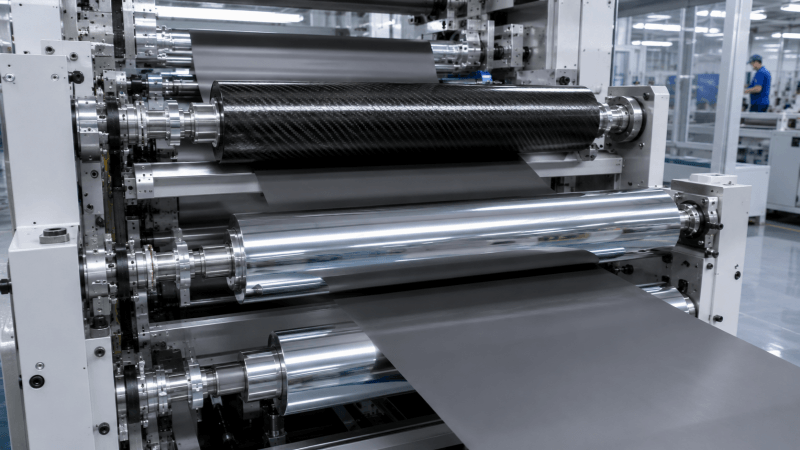
New Energy
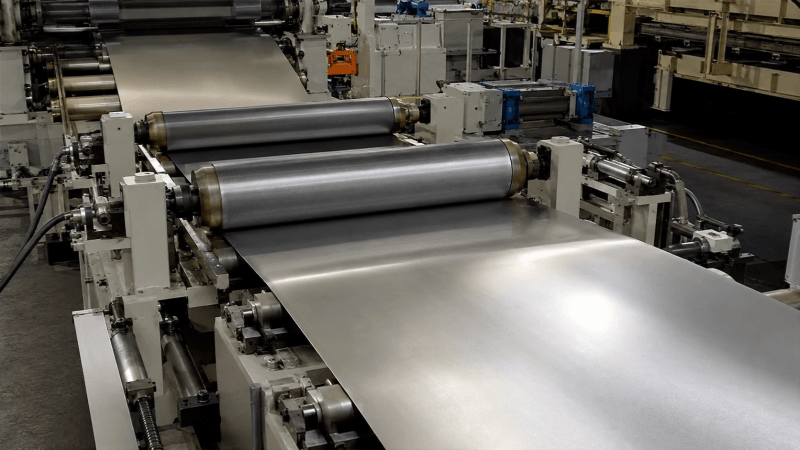
Metallurgy & Steel
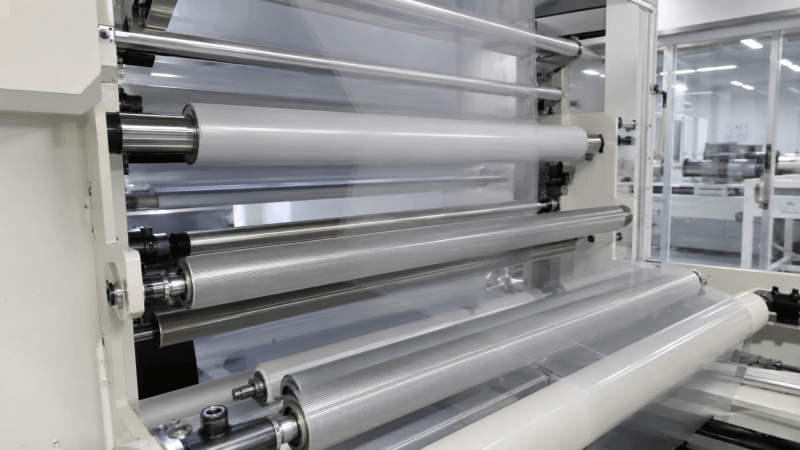
Optical & Electronics
Industry Requirements Are Different
From the extreme heat of steel mills to the sterile precision of battery coating lines, our engineering team tailors roller geometry and surface chemistry to your specific application.
How to Select the Right Guide Roller
Select the right guide roller by matching working conditions, materials, surface treatment, precision level and long-term cost.
Working Condition Matching
What to confirmLine speed, material tension, and web width.
ImpactInfluences vibration stability and roller diameter selection.
LogicHigher speeds require dynamic balancing G2.5 or better.
Material & Surface
What to confirmBase material (Alloy/Steel) and coating type.
ImpactDetermines corrosion resistance and friction coefficient.
LogicAnodizing for aluminum, Chrome plating for high-wear steel.
Precision Level
What to confirmRun-out (TIR) and cylindricity requirements.
ImpactDirectly affects product flatness and tracking accuracy.
LogicPrecision applications require TIR < 0.02mm.
Environment & Special
What to confirmTemperature, humidity, and chemical exposure.
ImpactAffects bearing life and surface integrity.
LogicUse specialized seals for dusty or humid environments.
Cost & Service Life
What to confirmMaintenance cycle and total lifecycle cost.
ImpactBalancing initial investment vs. downtime reduction.
LogicPremium bearings reduce long-term operational costs.
Information Needed for Quotation
Detailed drawing with dimensions (Diameter, Length, Shaft details).
Desired material and surface hardness requirements.
Operation environment (Max speed and load).
Quantity and preferred delivery schedule.
Quick Selection Logic
High Speed: Dynamic Balance G2.5 + Aluminum Lightweight.
High Precision: Carbon Steel + Hard Chrome + TIR < 0.01mm.
Acidic/Corrosive: 304/316 Stainless Steel + Specialized Seals.
Economic: Standard Aluminum + Anodizing.
Not sure which roller fits your line best? Our engineers can help.
Maintenance, Troubleshooting & Standards Compliance
Guide roller maintenance, common failure diagnosis and compliance with industrial roller standards.
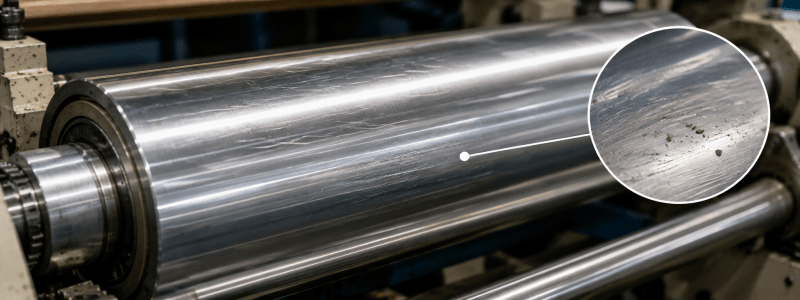
Surface Scratches
Caused by foreign particles or improper cleaning. Regularly inspect surface for debris.
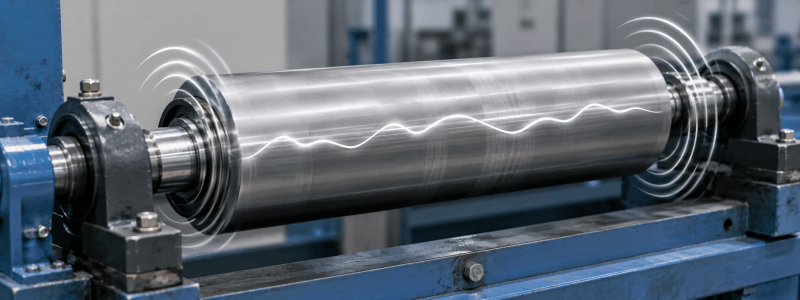
Vibration & Noise
Indicates loss of dynamic balance or worn bearings. Check mounting and balance weights.
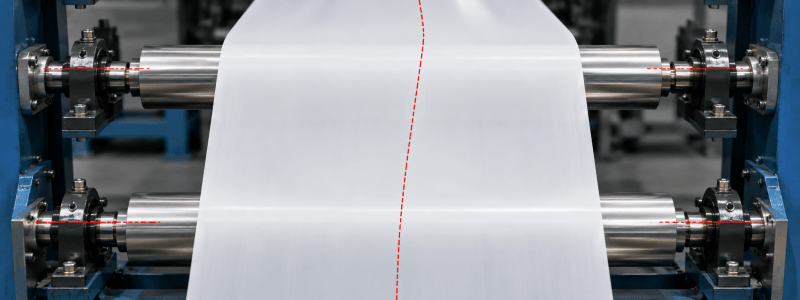
Web Deviation
Poor alignment leading to web tracking issues. Re-verify parallelism of the roller shafts.
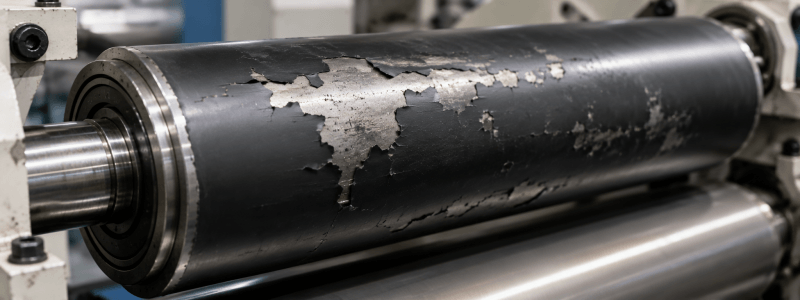
Coating Peeling
Result of chemical reaction or excessive friction heat. Ensure material compatibility.
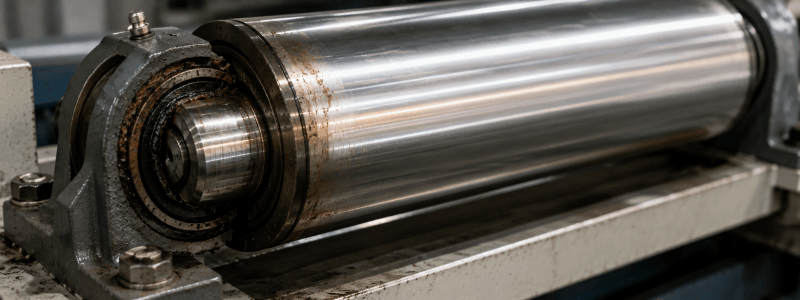
Bearing Seizure
Lack of lubrication or excessive load. Implement strict lubrication schedules.
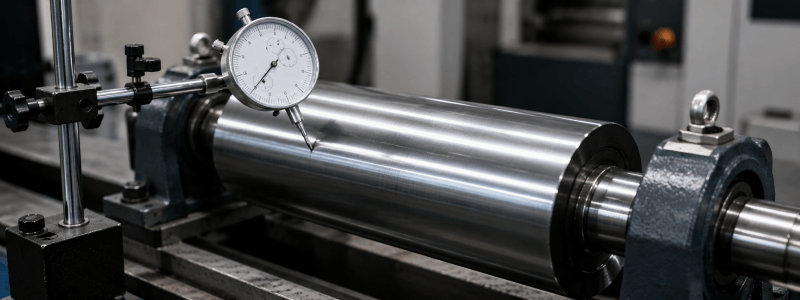
Insufficient Accuracy
Deviation from geometric tolerances affecting line speed. Requires professional quality inspection.
Daily Maintenance
Wipe surface with soft cloth, check for unusual noise during operation, and monitor bearing temperature.
Regular Maintenance
Every 6 MonthsVerify dynamic balance, inspect coating thickness, and re-lubricate or replace bearings as per wear.
Storage
Store horizontally on V-supports, avoid direct sunlight, and apply anti-rust oil to exposed steel surfaces.
Technical Standards Compliance
Technical conditions for industrial guide rollers.
Global standard for dynamic balancing requirements.
Metallurgical industry roller surface treatment codes.
Light industry machinery roller manufacturing specs.
Maintain high-speed stability and reduce downtime with proper roller care.
Get Custom Guide Roller Solutions from China Factory
Send us your roller drawings, material requirements or production line conditions, and get a custom guide roller solution from our factory.
Need a Custom Guide Roller for Your Production Line?
Eliminate middlemen and deal directly with the manufacturing engineers.
Broad range including AL6061, 45# Steel, SUS304, and Carbon Fiber.
Hard Anodizing, Teflon coating, Hard Chrome, Ceramic Spraying.
CNC grinding and dynamic balancing to ensure ultra-low TIR.
Serving paper, film, textile, and lithium battery industries for 15+ years.