
A UHMW roller combines a polyethylene working surface with a shaft, bearings and seals that must suit your conveyor duty. Replacing corroded or heavily fouled steel rollers can look straightforward until shaft ends, shell construction or temperature limits differ. Specify a uhmw roller from measured fit and operating conditions. Material selection helps only when complete assembly performance matches your application.
1. What makes a uhmw roller different from steel?
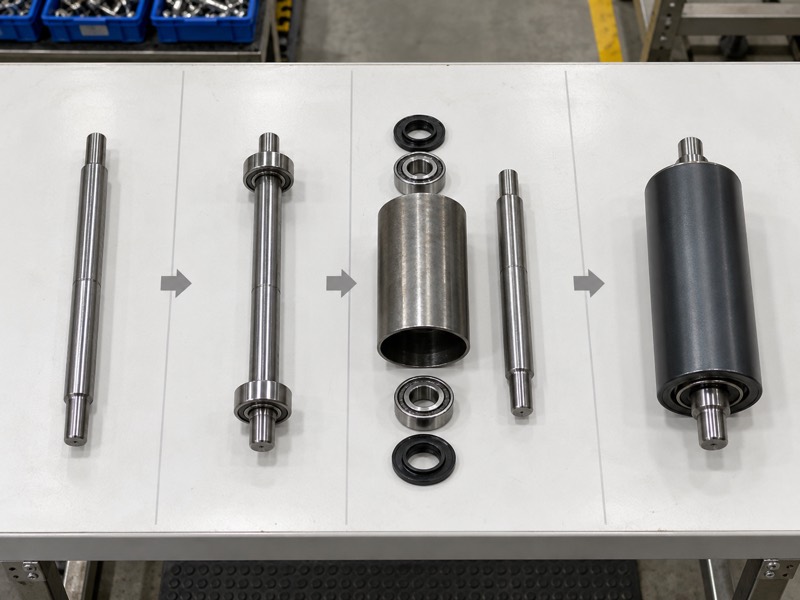
A uhmw roller uses an ultra-high-molecular-weight polyethylene working surface rather than an exposed steel tube. Construction may include different end arrangements or internal support, so a material name does not describe an entire roller. Request a section drawing before comparing products.
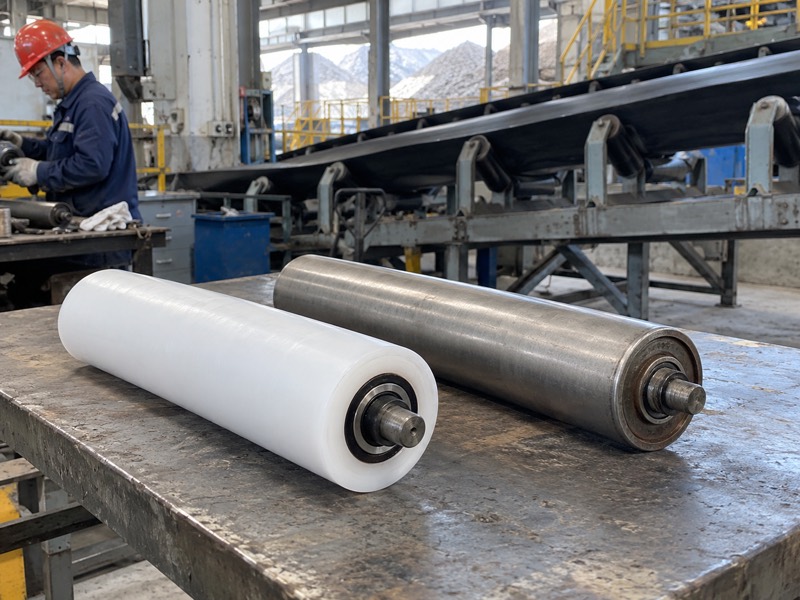
Identify every load-carrying component
Start with construction details. A polymer shell still depends on shaft stiffness, bearing support and reliable end connections. Compare working-face length, shell dimensions and attachment methods. Ask whether quoted weight refers to a complete assembly or only its shell, because those numbers answer different handling questions.
- Identify shell material grade and manufacturing description.
- Confirm shaft, bearing and end-housing construction.
- Ask how dimensional stability was evaluated for proposed duty.
Compare assemblies on equal terms
Your existing carrying roller drawing provides a useful dimensional baseline. Match mounting requirements before discussing material benefits. A lighter shell may ease handling, but total assembly mass depends on its complete construction.
| Comparison | Required detail | Decision supported |
|---|---|---|
| Working surface | Exact polymer grade | Material suitability |
| Internal construction | Section drawing | Load review |
| Complete assembly | Mass and dimensions | Fit and handling |
Compare complete rollers using one specification sheet. Key Takeaway: Obtain construction details rather than approving a roller from its material label.
2. Where can a uhmw roller be useful?
A uhmw roller can be useful where corrosion exposure, adhesive deposits or handling considerations make a polymer surface worth evaluating. Suitability remains conditional on chemicals, temperature, load and belt contact. A promising environment still needs an approved assembly design.
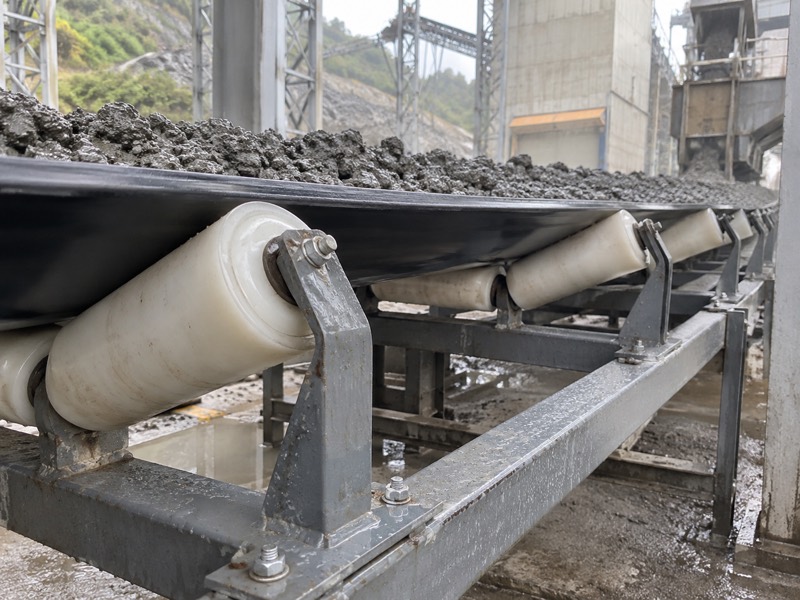
Describe exposure precisely
Separate water from chemical service. Rain, mineral slurry, process water and chemical washdown impose different conditions. Polyethylene resists many substances, but compatibility varies with concentration, temperature and exposure time. Bearings, shafts and seals may face corrosion even when a working surface resists it.
- List materials contacting shell and end assemblies.
- Include indoor, outdoor and intermittent washdown conditions.
- Describe buildup behavior using photographs from your conveyor.
Set limits for the intended position
Carrying and return positions experience different loads and contamination routes. A surface that sheds one material may retain another after abrasion or aging. Review intended duty with your conveyor engineer and keep claims tied to observed conditions.
| Environment | Potential reason to trial | Review boundary |
|---|---|---|
| Damp mineral handling | Surface corrosion resistance | Metal end components |
| Adhesive fines | Deposit behavior | Material-specific trial |
| Frequent replacement | Handling effort | Complete assembly mass |
Use exposure descriptions to narrow candidates before requesting a sample. Key Takeaway: Evaluate polymer rollers against a named operating problem and a defined installation position.
3. How should you check a uhmw roller load rating?
Check a uhmw roller load rating against its length, support arrangement, temperature and expected operating loads. A rating without those conditions cannot support engineering approval. Shell deformation, shaft deflection and bearing capacity need separate consideration.
Include more than steady belt weight
List loading events separately. Loaded belt mass, uneven material distribution and startup conditions affect duty. Loading-zone impact introduces another demand. Where falling material strikes a belt, review dedicated impact support rather than assuming any polymer shell provides adequate cushioning.
- State belt width, speed and roller spacing.
- Describe conveyed material and expected maximum loading.
- Identify impact, stalled-belt and unusual loading conditions.
Request an engineering basis
Ask which test or calculation supports allowable load and what deformation criterion applies. Polymer behavior under sustained stress depends on temperature and duration. A brief load demonstration cannot establish suitability for long service under unchanged loading.
| Loading issue | Information needed | Approval question |
|---|---|---|
| Steady belt support | Distributed load | Allowable deformation |
| Long span | Shaft and shell geometry | Deflection limit |
| Material impact | Drop and lump conditions | Appropriate support type |
Have a qualified engineer reconcile quoted ratings with actual conveyor duty. Key Takeaway: Accept a conditional load rating supported by relevant construction and operating information.
4. What temperature limits should you specify?
Specify minimum, maximum and sustained operating temperatures for every uhmw roller proposal. Polymer stiffness and dimensional behavior change with temperature. Ambient readings alone may miss hot material contact, sunlight or heat generated by abnormal bearing conditions.
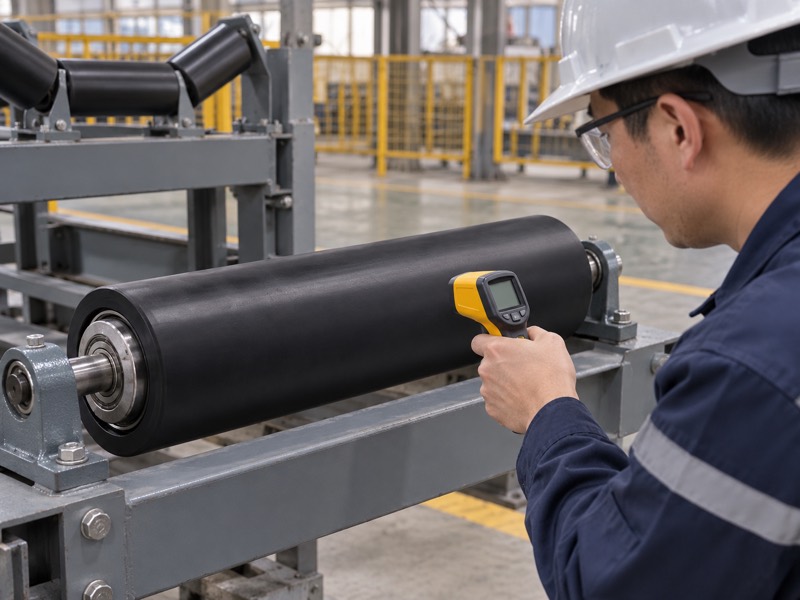
Describe local operating temperatures
Check heat where contact occurs. A conveyor inside a warm building may carry material hotter than surrounding air. Outdoor equipment can experience solar exposure and seasonal changes. Your supplier should confirm limits for shell, bearings, lubricant and seals as one assembly.
- Report material-contact temperature where known.
- Include normal conditions and credible short-duration excursions.
- Identify radiant heat, outdoor exposure and shutdown storage.
Review expansion and clearance
Thermal expansion may affect working-face geometry, end clearances and attachment details. Ask how proposed construction accommodates temperature changes. Avoid transferring a steel roller’s clearance assumptions directly onto a polymer assembly without engineering review.
| Temperature source | Potential effect | Requested confirmation |
|---|---|---|
| Hot conveyed material | Reduced stiffness | Continuous duty limit |
| Seasonal variation | Dimensional change | Required clearance |
| Abnormal bearing heat | Local damage | Inspection response |
Record temperature limits in your approved specification rather than leaving them in sales correspondence. Key Takeaway: Approve temperature limits for a complete roller and its actual contact environment.
5. Can a uhmw roller reduce buildup and belt wear?
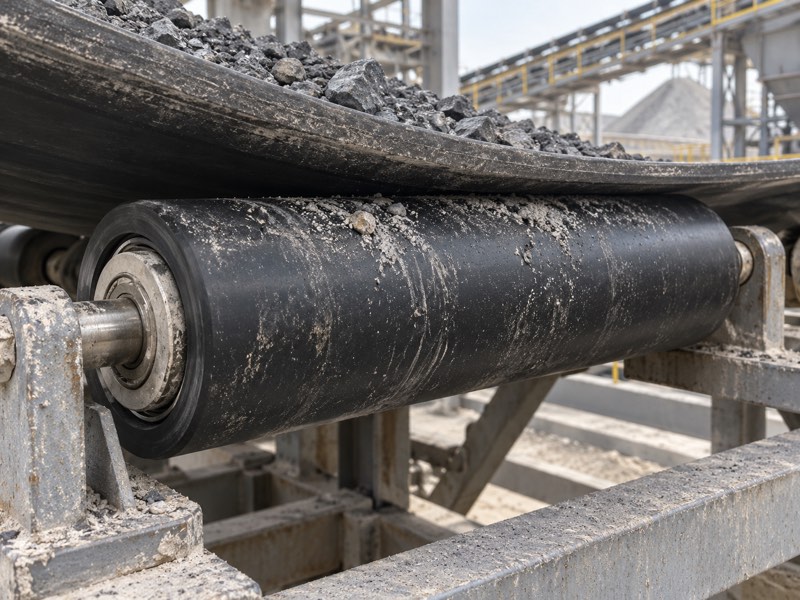
A uhmw roller may change buildup and belt-contact behavior, but results depend on material adhesion, surface condition and alignment. Smooth initial appearance does not establish permanent deposit resistance. Evaluate belt wear separately from shell wear.
Observe surface changes during service
Compare deposits after similar operating periods. Record moisture, feed composition and belt speed alongside photographs. Abrasive particles can score a working surface, which may alter adhesion. A rough or uneven shell can also change belt contact even while bearings continue rotating freely.
- Inspect scoring, embedded particles and uneven wear.
- Check whether buildup forms a continuous ridge.
- Record belt-cover marks at corresponding contact positions.
Keep upstream cleaning in the review
Heavy carryback can overload any return support arrangement. Review cleaners and return roller geometry together when deposits dominate your problem. A different shell material cannot correct damaged covers or poor cleaner contact by itself.
| Service observation | Possible implication | Next action |
|---|---|---|
| Lower deposit accumulation | Useful surface behavior | Continue measured trial |
| Deep surface scoring | Abrasive exposure | Inspect contact and grade |
| Belt-cover marks | Uneven contact | Check alignment and damage |
Approve claimed benefits only after inspecting both roller and belt conditions. Key Takeaway: Trial deposit resistance and wear under your material conditions instead of accepting universal promises.
6. Which seals and bearings belong in the assembly?
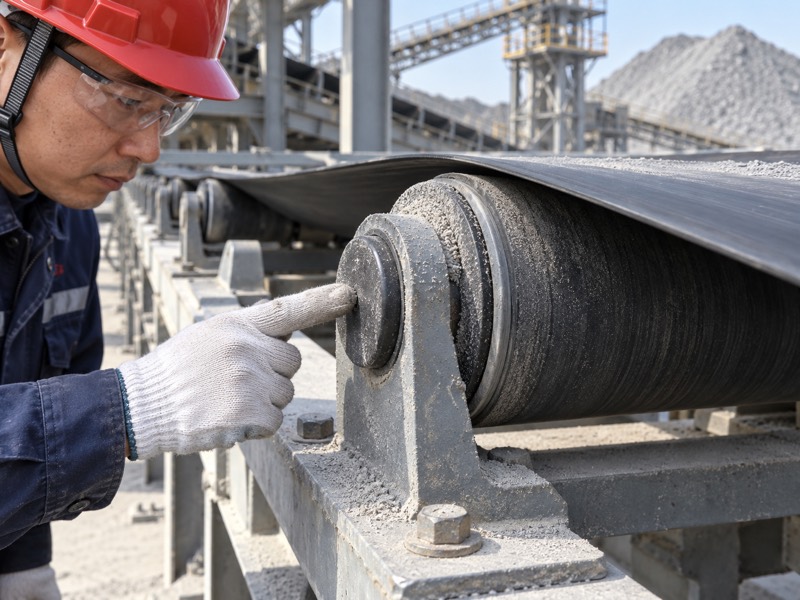
Seals and bearings belong in a uhmw roller when they suit load, rotational speed and contamination exposure. Shell material cannot protect a poorly sealed bearing automatically. End-housing design, shaft interfaces and lubricant requirements deserve explicit review.
Inspect contamination routes
Look at both ends. Dust and water may approach bearing housings from direct spray, material accumulation or shaft interfaces. Ask for seal arrangement details and a maintenance description. A bearing designation alone says little about assembly protection in actual service.
- Confirm bearing identification and approved speed conditions.
- Describe dust, moisture and washdown exposure.
- Ask whether lubrication access or replacement work is intended.
Check installation effects
Incorrect shaft seating or damaged housings can distort an otherwise suitable assembly. Avoid hammering across bearing paths during installation. Compare clean-sample rotation before and after mounting when an approved inspection procedure permits it. Apply site-approved lockout/tagout and stored-energy controls before touching installed components.
| Assembly item | Required evidence | Field concern |
|---|---|---|
| Bearing | Identification and rating basis | Load and speed |
| Seal arrangement | Construction description | Contamination entry |
| End housing | Fit and attachment | Distortion or movement |
Use complete assembly information when comparing supplier proposals. Key Takeaway: Approve bearing protection and installation instructions alongside shell material.
7. What should you ask about antistatic performance?
Ask for product-specific electrical evidence before using a uhmw roller in an application with static-control requirements. Ordinary polyethylene should not be assumed conductive or antistatic. A material description alone cannot establish suitability for hazardous service.
Define the required electrical property
Specify a requirement before requesting a claim. Conductivity, charge dissipation and grounding involve different aspects of an installation. Ask your site specialist which limits, test conditions and documentation apply. Product suitability also depends on assembly construction and its connection with surrounding equipment.
- Name applicable site electrical and fire requirements.
- Request evidence tied to supplied grade and construction.
- Confirm how installed grounding or bonding will be verified.
Separate electrical and mechanical approval
A successful mechanical trial does not establish electrical compliance. Likewise, an electrical measurement does not prove load suitability. Keep approval responsibilities explicit and reject broad assurances that lack a defined property or test method.
| Requirement | Evidence needed | Reviewer |
|---|---|---|
| Electrical behavior | Product-specific results | Site specialist |
| Installed connection | Assembly and grounding review | Electrical team |
| Mechanical duty | Load and fit approval | Conveyor engineer |
Release material substitutions only after all applicable reviews are complete. Key Takeaway: Treat antistatic suitability as a separate documented requirement, never an assumed polymer benefit.
8. How do you confirm replacement dimensions?
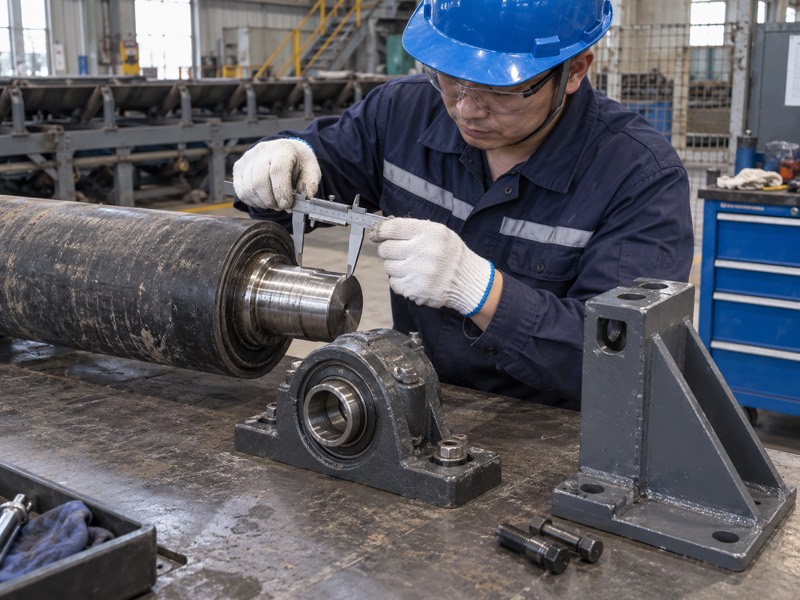
Confirm replacement dimensions from an approved drawing and measurements of undamaged mounting interfaces. A uhmw roller needs compatible working-face length, outside diameter and shaft ends. Belt width alone cannot establish drop-in fit.
Separate useful dimensions from overall length
Measure mounting features directly. Working-face length controls support coverage, while shaft projections and end forms control bracket fit. Record flats, slots or retaining features with tolerances. A worn roller can provide context, but worn dimensions should not become your production specification.
- Record frame opening and shaft-seat geometry.
- Check end clearances around guards and adjacent rollers.
- State dimensional units and drawing revision clearly.
Inspect a sample in the actual frame
Trial fitting should confirm seating, retention and free rotation without forcing components. Check belt support geometry after installation. If proposed outside diameter changes, review conveyor height and contact conditions before approving a replacement batch.
| Dimension | Controls | Acceptance method |
|---|---|---|
| Working-face length | Belt support coverage | Drawing measurement |
| Shaft ends | Bracket seating | Gauge or trial fit |
| Outside diameter | Contact geometry | Measured inspection |
Resolve differences on a revised drawing before discussing interchangeability. Key Takeaway: Approve shaft interfaces and support geometry, then verify a sample in your frame.
9. How should a uhmw roller trial be evaluated?
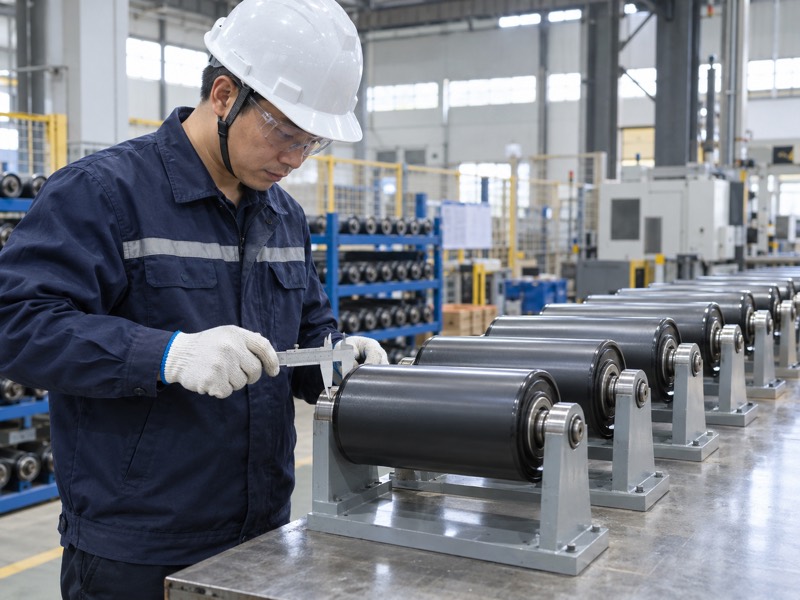
A uhmw roller trial should compare defined positions, operating exposure and inspection criteria against your current assembly. Track rotation, deposits, wear and maintenance effort. Avoid assigning service-life or energy-saving ratios before measurements support them.
Plan measurements before installation
Use an agreed baseline. Record existing failure modes and inspection photographs from comparable duty. Introduce candidate rollers at clearly identified positions. If several changes occur together, your team may struggle to identify which change caused an observed result.
- Log operating hours, feed conditions and temperatures.
- Inspect belt marks, shell shape and end-housing condition.
- Record replacements and reasons for removing samples.
Interpret results within their limits
A short clean-running period supports continued observation, not a lifetime guarantee. Energy comparisons require suitable measurement and controlled operating conditions. Maintenance savings should include installation effort, replacement costs and inspection labor rather than purchase price alone.
| Trial outcome | Useful interpretation | Remaining question |
|---|---|---|
| Acceptable fit | Installation approved | Long-duty behavior |
| Limited deposits | Positive material response | Seasonal conditions |
| Stable rotation | Current assembly condition | Wear progression |
Keep a trial running long enough for relevant failure modes to become observable. Key Takeaway: Expand purchasing only when recorded results address your original replacement problem.
10. What should a UHMW roller quote request include?
A quote request should include approved dimensions, conveyor duty, environmental exposure and acceptance requirements. A uhmw roller proposal can then be reviewed against measurable needs. Confirm material grade and complete construction before commercial comparison.
Send a defined replacement package
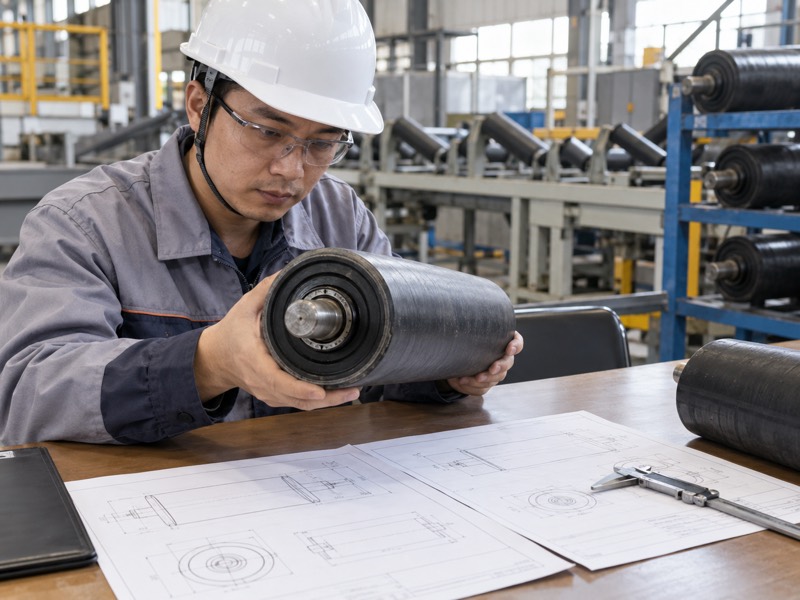
Make missing information visible. Include current roller drawings and explain which failures you want to address. Add speed, load, spacing, temperatures and exposure descriptions. Request a proposed assembly drawing where supplier construction differs from your current roller.
- State quantity and intended conveyor positions.
- Include sample approval, inspection and packaging expectations.
- Identify electrical requirements when applicable.
Release the order against approved information
| Quote item | Required confirmation | Buyer decision |
|---|---|---|
| Material and construction | Written specification | Technical acceptance |
| Dimensions | Approved drawing | Installation fit |
| Duty and environment | Conditional suitability | Trial or production |
Key Takeaway: Request a complete roller specification with explicit fit, service and inspection conditions. Send your drawing, belt width, speed, loading conditions and reason for replacing existing rollers. Contact us for a XINYONGDUO UHMW roller review and a quotation with a confirmed construction scope. Measurable fit and documented duty should guide your purchase approval.
FAQ
Q1: Can I replace every steel roller with a UHMW version? No. Review load, temperature, shaft fit, belt contact and applicable electrical requirements for each conveyor position.
Q2: What’s the best way to confirm polymer material? Request a grade description and traceable product documentation. Appearance cannot reliably distinguish polyethylene grades or establish assembly performance.
Q3: How do I know if a roller suits hot material? Obtain assembly-specific limits for continuous contact and temporary excursions. Compare those limits with measured local temperatures and engineering requirements.
Q4: Can I assume a UHMW roller saves energy? No. Bearing resistance, loading, belt behavior and operating conditions affect power. Use a controlled measurement before making a savings claim.
Q5: Can I use ordinary UHMW rollers in static-sensitive service? Only after relevant approval. Request electrical evidence for exact supplied construction and obtain a site-specific installation review.