
Paddle rock bolt resin mixing depends on how a defined bar geometry interacts with resin, packaging, and borehole clearance. A purchasing drawing showing paddles cannot establish complete encapsulation. Evaluate mixing evidence for the actual assembly. Published geometry research supports careful comparison while leaving product-specific limits intact. A paddle rock bolt resin mixing review should ask what was observed inside the specimen rather than relying on a product label.
1. What should paddle rock bolt resin mixing achieve?
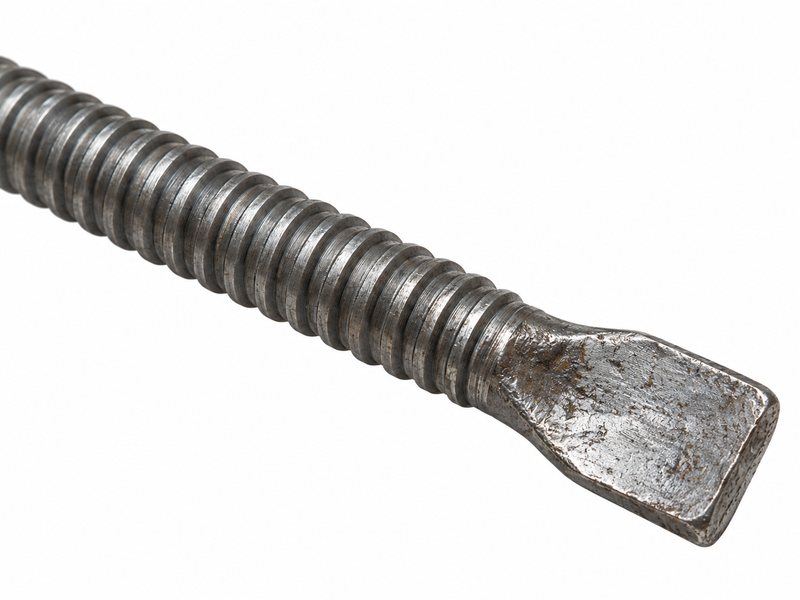
Paddle rock bolt resin mixing should produce an appropriately mixed anchoring medium around the intended bonded region. Mixing and filling describe related but different outcomes. A specimen can show resin movement while retaining a void or unmixed area. Require evidence addressing both outcomes for a defined configuration.
How do you define the review question?
Specify the ordinary paddle geometry under consideration. Identify resin system, packaging, and relevant installation conditions through approved documents. Avoid treating every modified bar end as equivalent. A geometry name cannot establish how that particular combination behaves.
- Define the bar and paddle drawing.
- Identify the paired anchoring medium.
- Separate mixing evidence from filling evidence.
Ask what changed inside. Request an evaluation that describes achieved resin condition as well as external installation completion.
Which outcome needs which evidence?
| Outcome | Question to answer |
|---|---|
| Mixing | Were resin constituents adequately combined? |
| Filling | Was the intended region occupied? |
| Bond behavior | Did the achieved assembly meet relevant requirements? |
Keep these outcomes separate so a favorable observation in one category cannot conceal an unresolved question elsewhere. Ask the reviewing engineer which outcome governs acceptance when visual and mechanical observations point toward different concerns.
2. How does paddle geometry influence resin movement?

Paddle geometry influences how rotating steel displaces material around its end. Width, shape, and orientation belong to a specific design. Research comparing modified tendon geometries identifies tradeoffs in mixing and void formation. It does not prove that every paddle eliminates packaging or produces uniform resin.
Which drawing features deserve comparison?
Review paddle shape relative to the surrounding space. Note transitions between modified and unmodified portions. Compare documented designs rather than informal workshop descriptions. Include assembly accessories only where they affect the identified test configuration.
- Record paddle dimensions from approved drawings.
- Identify transitions and end geometry.
- Preserve revisions when comparing test results.
Tie behavior to geometry. Ask which observed difference the supplier attributes to a specific drawing feature.
Which comparison avoids vague claims?
| Drawing feature | Evidence question |
|---|---|
| Paddle shape | How did material move around this form? |
| Modified length | Which specimen region was examined? |
| Geometry revision | Was the tested version actually supplied? |
A traceable drawing makes a geometry claim testable without borrowing another design's reported performance. A result linked only with a marketing name leaves uncertainty about which physical feature received meaningful evaluation.
3. Why does annular clearance affect interpretation?
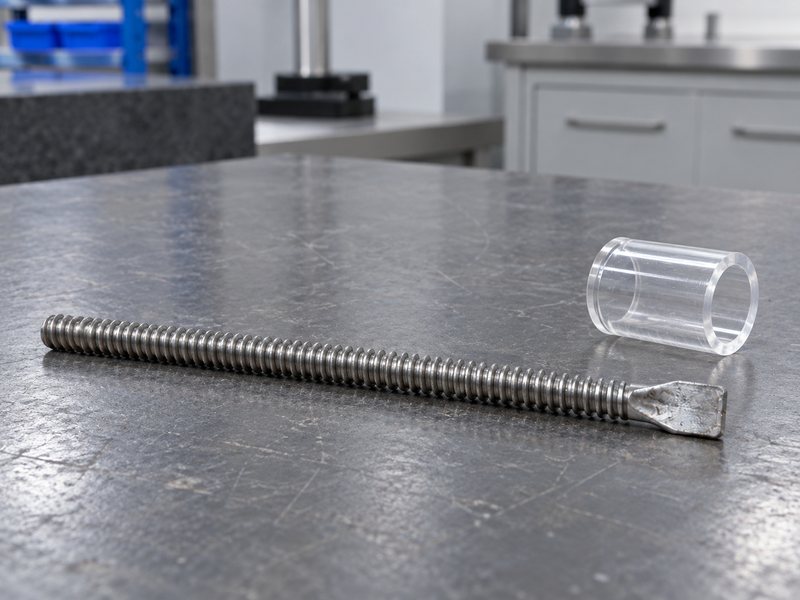
Annular clearance affects the space available for resin and packaging movement around a bar. A paddle bolt evaluation therefore needs the actual bar and hole geometry. A clearance described only as small or large lacks a reproducible meaning. Do not assign a universal preferred annulus from one research configuration.
Which dimensions belong in a report?
Request the specimen's bar profile, modified-end envelope, and confinement geometry. Distinguish laboratory sleeve dimensions from underground hole conditions. A nominal drill diameter cannot describe every irregularity along a hole. Engineering should decide whether available evidence covers the intended operating envelope.
- Identify dimensions and their measurement basis.
- Describe confinement material and geometry.
- Record limitations of representing field holes.
Read the surrounding space. Review clearance evidence together with the proposed geometry rather than as an isolated number.
What should reviewers distinguish?
| Geometry description | Interpretation limit |
|---|---|
| Nominal bar diameter | May not describe paddle envelope |
| Laboratory sleeve | Represents its stated confinement only |
| Field hole | Requires relevant site evidence |
A geometry conclusion becomes weaker when its surrounding space differs materially from the intended application. Where field geometry cannot be reproduced, identify which assumptions require further verification before extending a laboratory conclusion.
4. Can good mixing coexist with unfilled regions?
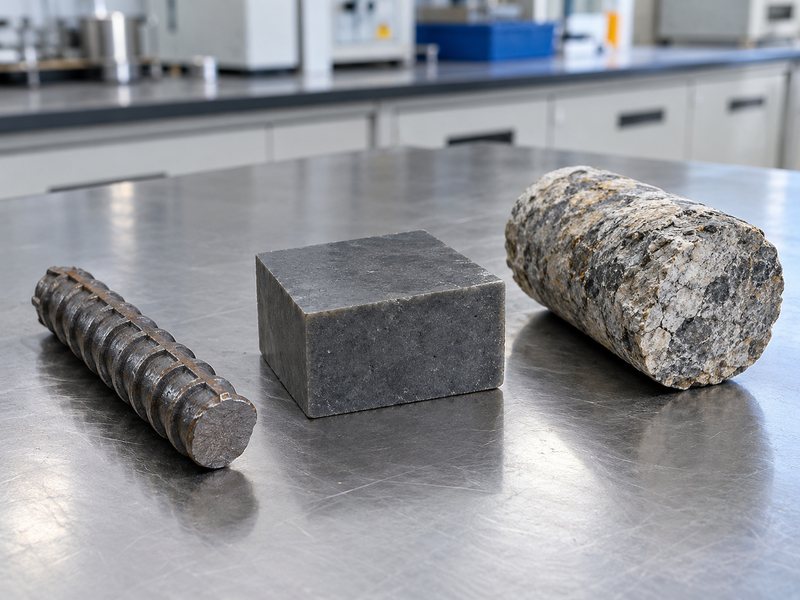
Good mixing can coexist with unfilled regions because constituent blending does not prove complete occupancy. Published modified-tendon work reports geometry-specific concerns about voids. Avoid interpreting a uniform-looking exposed face as evidence for an entire bolt length. State what region and observation method support the conclusion.
How should the assembly boundary be defined?
Examine the bonded region independently from the external head arrangement. A bearing plate can document assembly identity but cannot reveal buried resin condition. Ask where samples were opened or observed. Sampling locations should match the question being investigated.
- Identify observed regions along each specimen.
- Record voids separately from unmixed material.
- Preserve photographs before destructive examination.
Check filling as its own outcome. Require a clear description of unobserved regions within the reported specimen.
Which observation supports which statement?
| Observation | Defensible statement |
|---|---|
| Blended material on one face | Local mixing condition observed |
| Empty region | Local filling discontinuity observed |
| Multiple inspected regions | Coverage limited to examined locations |
A report should state its examination coverage before making claims about complete encapsulation. Keep original photographs and examination notes available so later reviewers can judge whether local observations justify the wording used.
5. What can transparent mixing trials demonstrate?
Transparent trials can reveal visible material movement under their stated laboratory conditions. A paddle-end mixing demonstration can help compare mechanisms or identify questions. Its confinement, friction, and visibility differ from an actual rock hole. Treat demonstration evidence as an observation tool with explicit limits.
Which details should accompany a video?
Ask for specimen identity, material combination, and recorded installation conditions. Identify whether a video shows a complete sequence or an edited segment. Require a description of lighting and viewing limitations where they affect interpretation. A convincing image cannot establish an unmeasured strength property.
- Retain original recordings where available.
- Identify test geometry and medium.
- State which field conditions were unrepresented.
Use visibility carefully. Let demonstrations guide investigation while reserving performance conclusions for relevant evidence.
What can each visual method show?
| Method | Useful observation |
|---|---|
| Transparent sleeve | Visible movement near viewing surfaces |
| Opened specimen | Condition at exposed locations |
| External installation video | Recorded equipment and sequence only |
Choose an observation method because it answers a defined question rather than because it produces persuasive imagery. An incomplete recording should be identified explicitly so an unseen portion cannot become an assumed successful stage.
6. How should packaging interference be recorded?
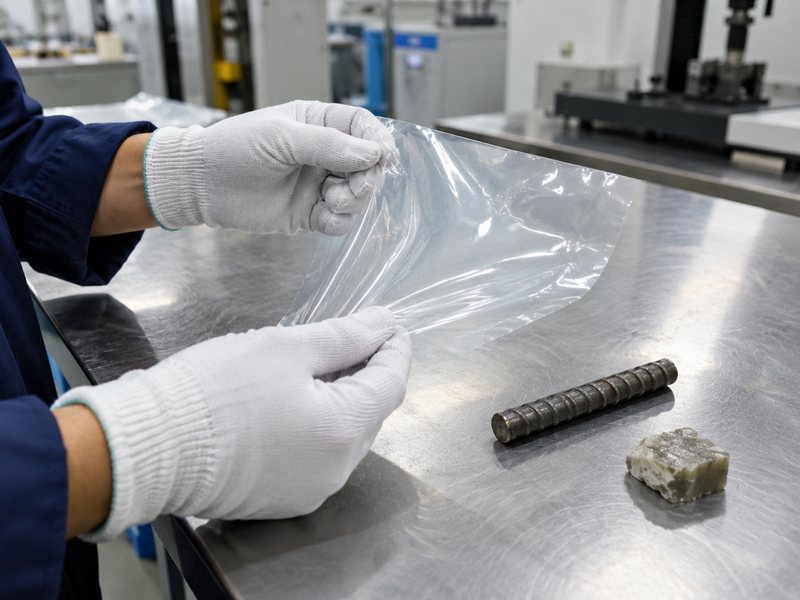
Packaging interference should be recorded as an observed interaction with resin and steel. Do not label every retained fragment as a complete mixing failure. Location, extent, and surrounding resin condition affect interpretation. A separate gloving investigation may be appropriate when wrapping becomes the central defect question.
Which observations prevent overstatement?
Describe visible film, its relationship with the bar, and adjacent material condition. Keep untouched specimens available before further handling changes them. Compare results across a documented set rather than selecting a favorable photograph. Avoid converting a packaging observation into an unsupported capacity loss.
- Record fragment location and visible arrangement.
- Separate observation from inferred mechanical effect.
- Note where examination could disturb evidence.
Describe the interference precisely. Ask whether additional examination is needed before attributing a result to film behavior.
Which wording keeps evidence clear?
| Evidence | Appropriate description |
|---|---|
| Visible film | Location and arrangement observed |
| Unmixed material | Condition documented where examined |
| Reduced test response | Result requiring mechanism review |
A mechanical explanation should connect film evidence with relevant test behavior rather than assume a fixed relationship. Independent observations help distinguish actual retained film from disturbance introduced while opening or handling a specimen.
7. How should mechanical evidence accompany mixing observations?
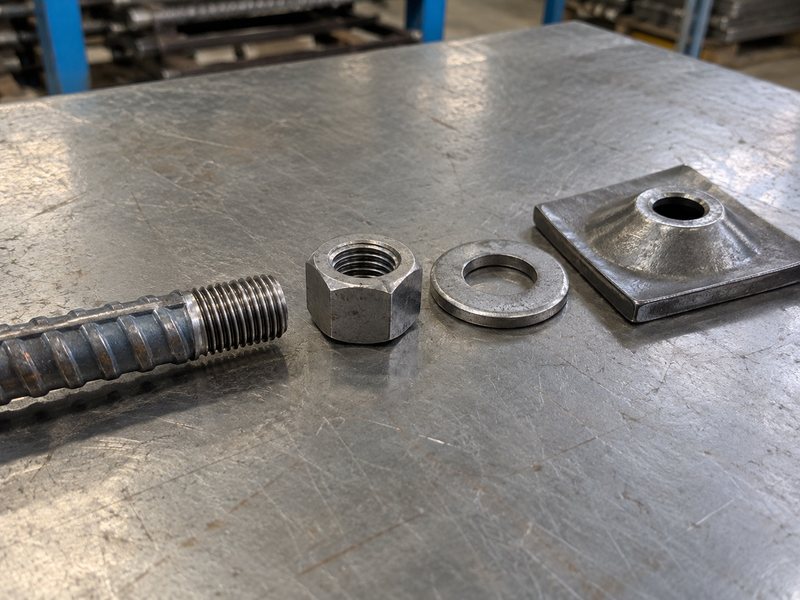
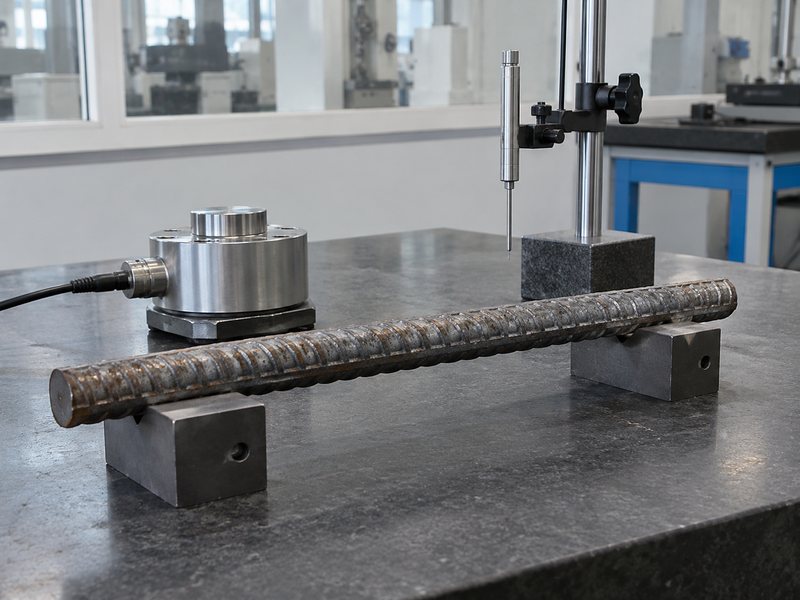
Mechanical evidence should identify the same geometry and material combination used for mixing evaluation. A tested paddle configuration cannot represent every ordinary paddle bolt. Compare load response, displacement, and failure mode where reports provide them. Do not infer a strength increase from visual blending alone.
Which report connections matter?
Connect each specimen with its drawing revision and observation record. Ask whether mechanical and visual results came from identical specimens or separate sets. Different sets may still be useful, but their relationship needs explanation. Keep laboratory conclusions within documented boundary conditions.
- Identify tested assembly and sample population.
- Review failure mode alongside reported load.
- Separate observed behavior from proposed mechanism.
Connect images with measured behavior. Request a report that explains how each evidence stream supports the proposed conclusion.
Which evidence pairing is useful?
| Evidence pair | Question answered |
|---|---|
| Drawing and specimen | Was the intended geometry tested? |
| Visual and mechanical records | Were observations meaningfully related? |
| Failure mode and response | What limited the tested assembly? |
A clear evidence chain allows engineering reviewers to challenge an interpretation without losing the original observations. Where separate specimen sets were used, state their similarities and differences before treating their results as one evidence package.
8. What should remain unchanged during a comparison?
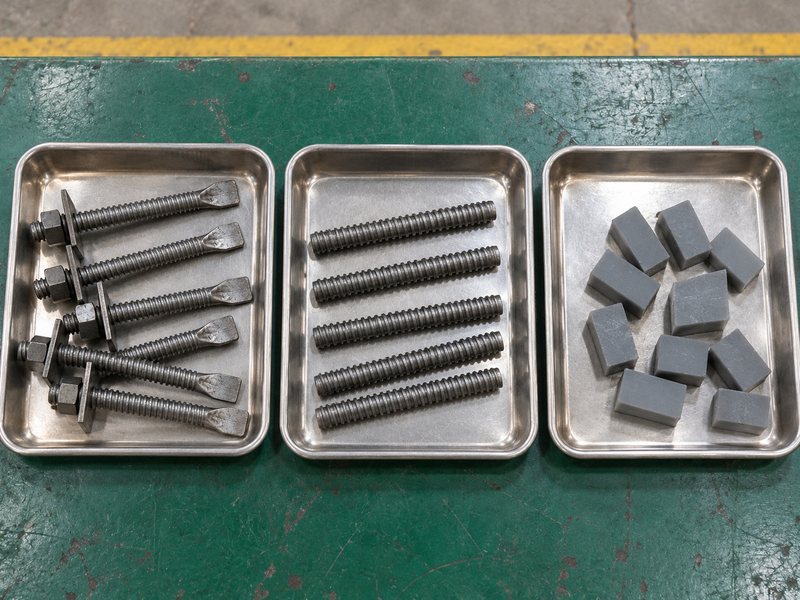
A geometry comparison should control other relevant variables or document their changes. Altering resin, clearance, and operating conditions simultaneously makes attribution difficult. An improvement may belong to the combined configuration rather than a single paddle feature. Define the comparison before evaluating results.
How should exceptions be handled?
Record departures and explain their likely relevance. Do not remove inconvenient specimens without stating an exclusion rule. Where field variability prevents strict control, describe that limitation openly. A narrower conclusion can still support a useful next test.
- List controlled and changing variables.
- Retain all relevant specimen records.
- Explain deviations before drawing conclusions.
Change one question at a time. Ask reviewers whether the comparison can isolate geometry or only compare complete combinations.
Which variable belongs in the record?
| Variable group | Examples to identify |
|---|---|
| Geometry | Bar profile and surrounding clearance |
| Anchoring medium | Resin and packaging identity |
| Installation conditions | Recorded rotation and advance conditions |
An honest comparison identifies what changed and limits its conclusion to the evidence that remains comparable. Any excluded result should retain its identity and reason for exclusion within the technical record provided for review.
9. Which claims should a paddle bolt RFQ require evidence for?
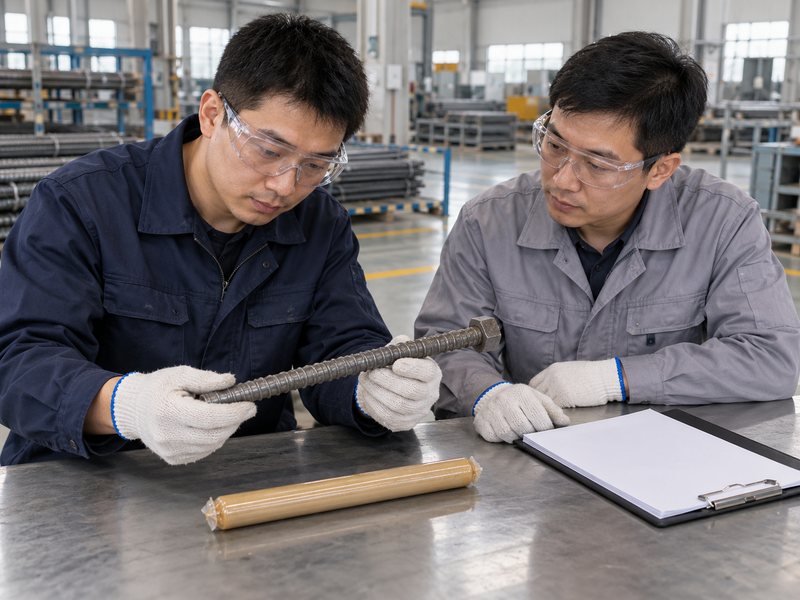
A paddle bolt RFQ should require evidence for specific geometry and mixing claims relevant to your application. Your ordinary paddle bolt inquiry should identify required drawings and paired materials. Avoid requesting unsupported universal superiority. Ordinary paddles should not be described as yielding or energy-absorbing products without separate evidence.
What should suppliers submit?
Request product identity, drawing revision, relevant test reports, and stated limitations. Ask which conditions were actually tested. Require clarification when a report concerns a twisted, augered, or otherwise different design. A research concept does not establish supplied-product qualification.
- Define the ordinary paddle configuration.
- Ask for application-relevant evidence.
- Require disclosure of untested differences.
Request a bounded claim. Make technical acceptance depend on relevant evidence rather than descriptive language about mixing performance.
Which claim needs which support?
| Proposed claim | Evidence required |
|---|---|
| Improved mixing | Identified comparison and observations |
| Better filling | Relevant examination coverage |
| Mechanical benefit | Applicable specimen and test results |
Separate unsupported marketing statements from technical submissions before engineering evaluates a purchase proposal. Require clarification of model identity whenever a submission combines several modified bar designs under one product description.
10. How should you decide whether geometry evidence is sufficient?
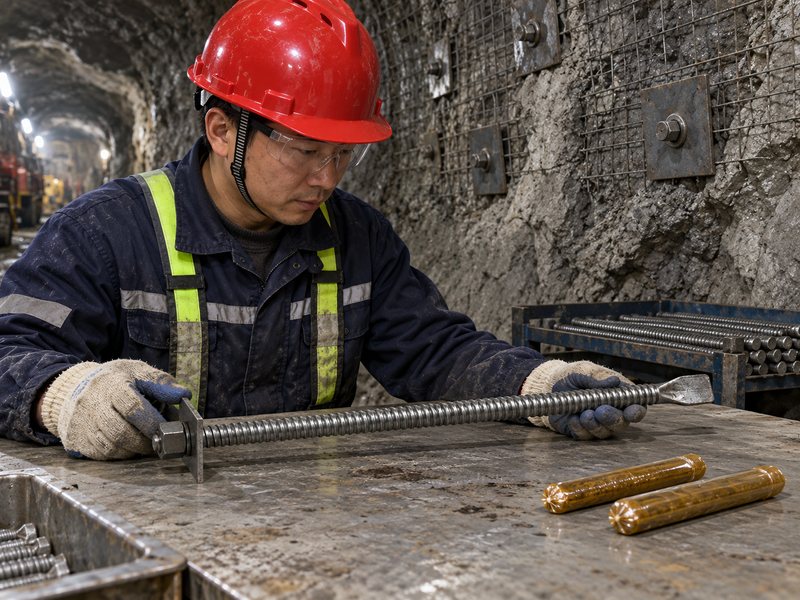
Geometry evidence is sufficient when it addresses your defined assembly, conditions, and acceptance question with stated limitations. A useful report connects drawings, observations, and relevant mechanical behavior. It does not need a universal claim. For US underground coal projects, review non-tensioned grouted roof-bolt checks separately from resin-mixing geometry evidence.
What should your next inquiry include?
Provide the bar drawing, resin-system identity, hole assumptions, and evidence requirements. Explain whether your concern concerns mixing, filling, or mechanical response. Ask suppliers to answer those questions separately. Arrange a further evaluation where current evidence does not cover the proposed combination.
- Identify the unresolved technical question.
- Request relevant product documentation.
- Record the engineer's acceptance boundary.
| Closure check | Action to retain |
|---|---|
| 1 | Identify the unresolved technical question. |
| 2 | Request relevant product documentation. |
| 3 | Record the engineer's acceptance boundary. |
Decide within the tested scope. Send your ordinary paddle assembly requirements when you contact us. Ask for product-specific information before changing an approved support arrangement.
Q1: Can a paddle shape guarantee complete resin mixing?
No. Require evidence for the actual geometry, anchoring medium, clearance, and installation conditions.
Q2: Does a transparent trial prove underground performance?
No. It provides visible laboratory observations with boundary conditions that may differ from a rock hole.
Q3: Can mixed resin still contain a void?
Yes. Mixing describes constituent blending; filling describes occupancy of the intended region. Evaluate both outcomes separately.
Q4: Should I accept evidence from an augered design?
Check relevance carefully. Evidence for a different geometry cannot automatically qualify an ordinary paddle bolt.
Q5: What should I request before changing paddle geometry?
Request a controlled drawing, relevant comparison evidence, and engineering approval for the proposed assembly and application.