A rock bolt is a high-strength steel rod designed to actively anchor and stabilize fractured rock strata inside underground excavations. Unstable underground excavation faces present a constant threat of sudden roof falls, which can immediately stop your production and put lives at risk. Ground structural failure causes expensive equipment losses, extensive regulatory delays, and safety liabilities that can paralyze your B2B operations. By planning a systematic rock bolt installation strategy, you can turn fractured, weak rock mass elements into an organized, self-supporting arch that secures your operation long-term.
Why is rock bolt installation vital in mining?
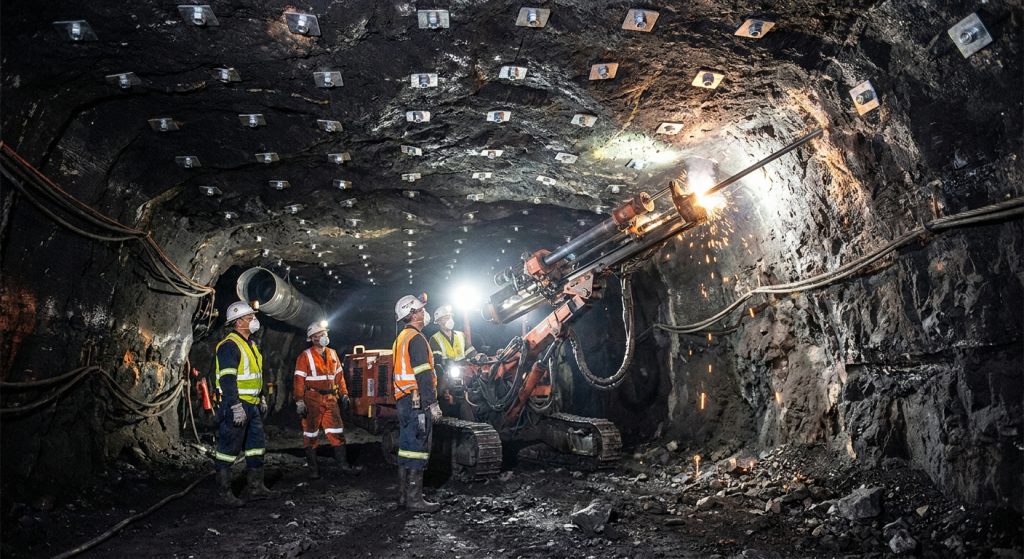
Rock bolt installation is vital in mining because it provides critical geological reinforcement to secure high-stress ceilings and ribs against catastrophic collapses. By tying loose rock blocks to stable bedrock, you can prevent structural failures that disrupt operations. This systematic active support is the primary defense line against extreme overburden pressure. For roof-bolting operator precautions, see MSHA guidance.
How do rock falls impact mining safety?
Uncontrolled geological failures present massive hazards to underground personnel and continuous transport lines.
Think about it: A single dynamic rock fall can stop your production lines for days, destroying capital equipment.
- It causes severe injury risk for underground personnel.
- It forces unexpected production shutdowns across headings.
- It damages high-value mining machinery and haulage systems.
Key Takeaway: Preventing rock falls is critical to maintaining a zero-harm mining environment and ensuring continuous haulage.
Key reinforcement benefits for underground tunnels
Using high-tensile steel anchors provides excellent structural benefits that keep deep shafts secure.
Here is the deal: You get three primary structural advantages when you implement an active bolting layout.
- Suspension of weaker rock strata to deeper solid formations.
- Structural beam building across thin, laminating rock layers.
- High-friction lateral clamping of adjacent block systems.
Key Takeaway: Active structural reinforcement turns unstable rock masses into stable self-supporting components.
| Reinforcement Type | Primary Mechanism | Mining Safety Impact | |
|---|---|---|---|
| Active Bolting | High-tensile tensioning | Prevents structural beam failures | |
| Passive Mesh | Loose block containment | Mitigates small surface fall risks |
This matrix demonstrates how selecting an active anchoring method ensures maximum protection against heavy geological shifts.
How does rock bolt installation protect tunnels?
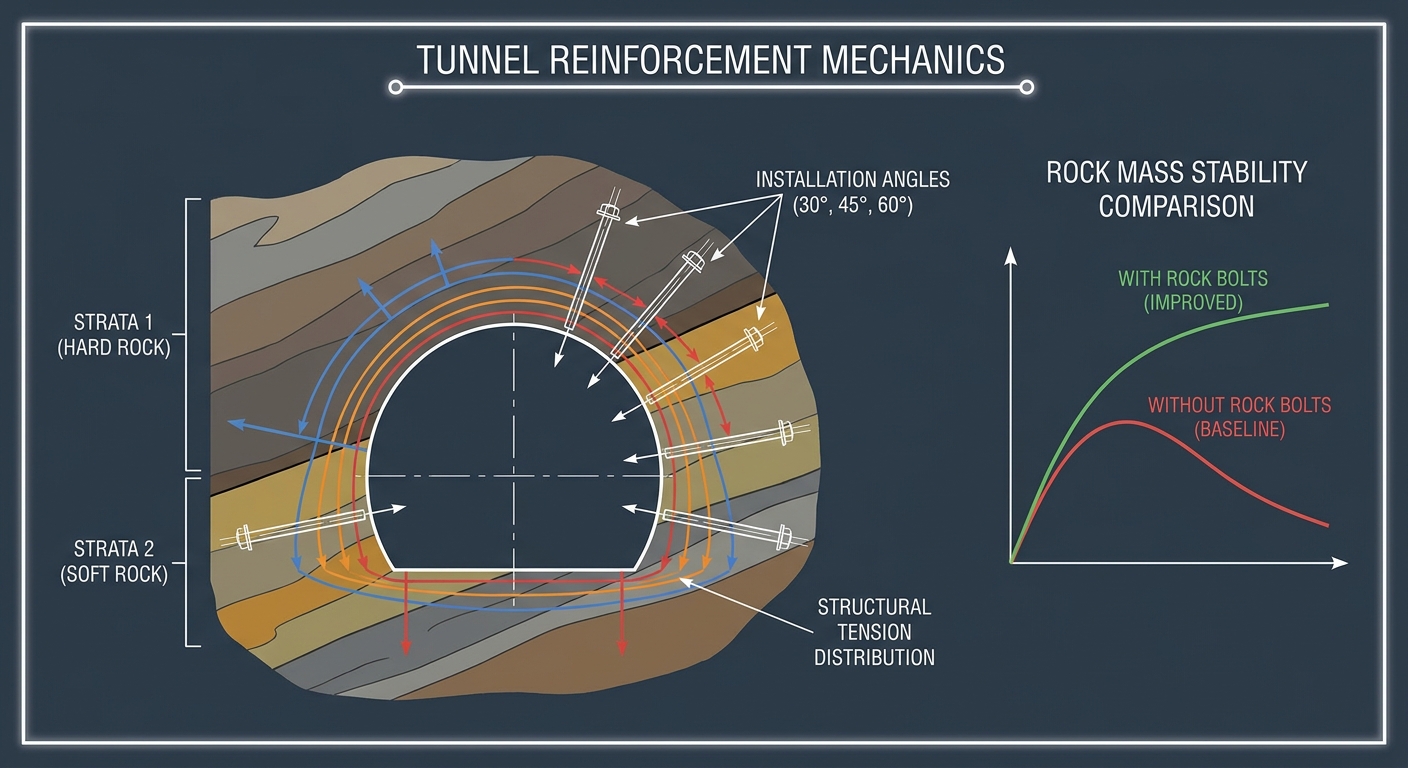
Rock bolt installation protects tunnels by redistributing high stress concentrations away from the excavation surface and into deep, stable rock formations. This active reinforcement allows civil engineers to safely design wide-span underground structures. It prevents the progressive loosening of rock joints that leads to surface unraveling over time.
The mechanics of rock mass stabilization
Stabilizing a tunnel face requires creating an immediate compressive ring within the surrounding strata. To handle high excavation loads safely, mining and civil projects must coordinate their overhead support systems with high-quality material transport. Utilizing reliable underground mining rollers ensures that the excavated material is removed swiftly without disrupting the structural stabilization schedule.
Look: Without a proper stress distribution system, the tunnel crown will deform rapidly under geostatic loads.
- Creates an active compression arch around the tunnel face.
- Locks jointed rock structures together to resist shear force.
- Minimizes tunnel wall convergence during dynamic excavations.
Key Takeaway: Rapid stabilization protects your tunneling team and forms the foundation of permanent concrete linings.
How load distribution prevents structural failures
High load capacity anchors ensure that tensile forces do not lead to shear failures along bedding planes.
But that’s not all. Equalizing localized stresses prevents progressive cracking and preserves the rock’s natural load-bearing integrity.
- Restricts geological slip along natural fault lines.
- Distributes concentrated stress profiles evenly into deeper bedrock.
- Controls ground heave in high-pressure subterranean zones.
Key Takeaway: Proper load distribution keeps the tunnel boundary safe from plastic rock deformation.
| Tunnel Zone | Stress Hazard | Stabilization Method | |
|---|---|---|---|
| Tunnel Crown | Tensile roof sagging | High-tension suspension bolting | |
| Tunnel Ribs | Lateral wall sliding | Frictional expansion wall anchors |
The technical data shows how distinct tunnel zones require targeted mechanical mechanisms to resist ground convergence.
What tools are used for rock bolt installation?
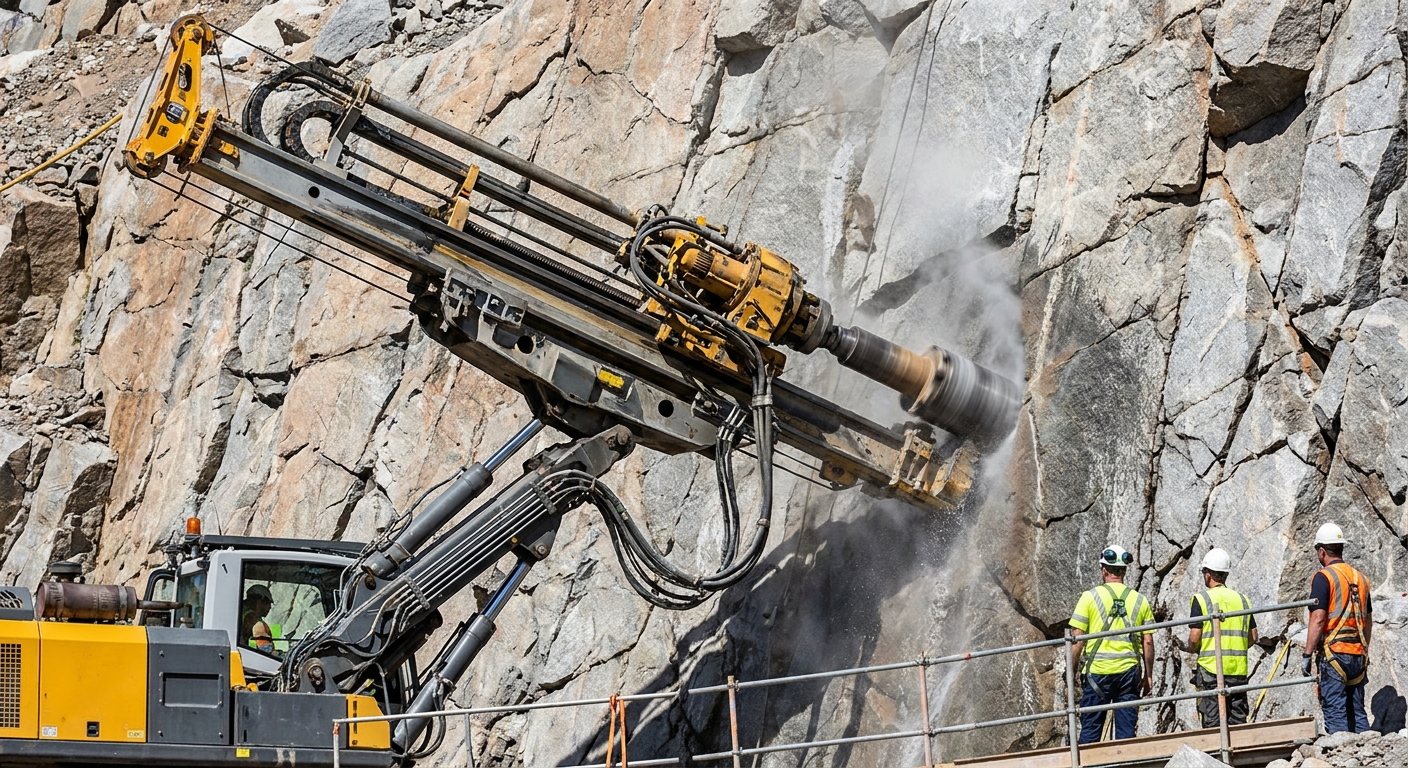
Rock bolt installation requires heavy-duty drilling rigs, high-pressure grouting equipment, and precise hydraulic tensioning tools. Utilizing the correct mechanical assembly ensures that each anchor is installed to precise engineering standards. This mechanical precision is critical to achieving the designed load-bearing safety factor.
Primary drilling equipment and rigs
Drilling a clean borehole is the critical starting point of any systematic ground control operation.
Think about it: You cannot achieve a perfect mechanical anchor without using a robust hydraulic rotary drill.
- Jumbo drilling rigs for wide headings and rapid tunneling.
- Pneumatic jacklegs for confined spaces and manual setups.
- Precise carbide drill bits for penetrating hard rock formations.
Key Takeaway: Utilizing state-of-the-art drilling machinery guarantees clean boreholes with uniform diameters.
Grouting accessories and tensioning machinery
Once the steel rod is inserted, applying active tension requires specialized calibration equipment.
Here is the deal: Applying the exact prestressed load is what makes a rock anchor active rather than passive.
- High-pressure cement grout pumps with continuous agitation.
- Hydraulic tensioning jacks with calibrated pressure gauges.
- Heavy-duty torque wrenches for mechanical expansion bolts.
Key Takeaway: Reliable tensioning accessories ensure that each bolt meets the engineered safety factor.
| Tool Category | Equipment Example | Critical Performance Metric | |
|---|---|---|---|
| Drilling | Hydraulic rotary jumbo rig | Borehole diameter tolerance within ±1mm | |
| Grouting | Double-acting grout pump | Slurry density and continuous pressure |
This equipment guide highlights the mechanical systems needed to achieve a flawless ground support setup.
Does rock bolt installation vary by rock type?
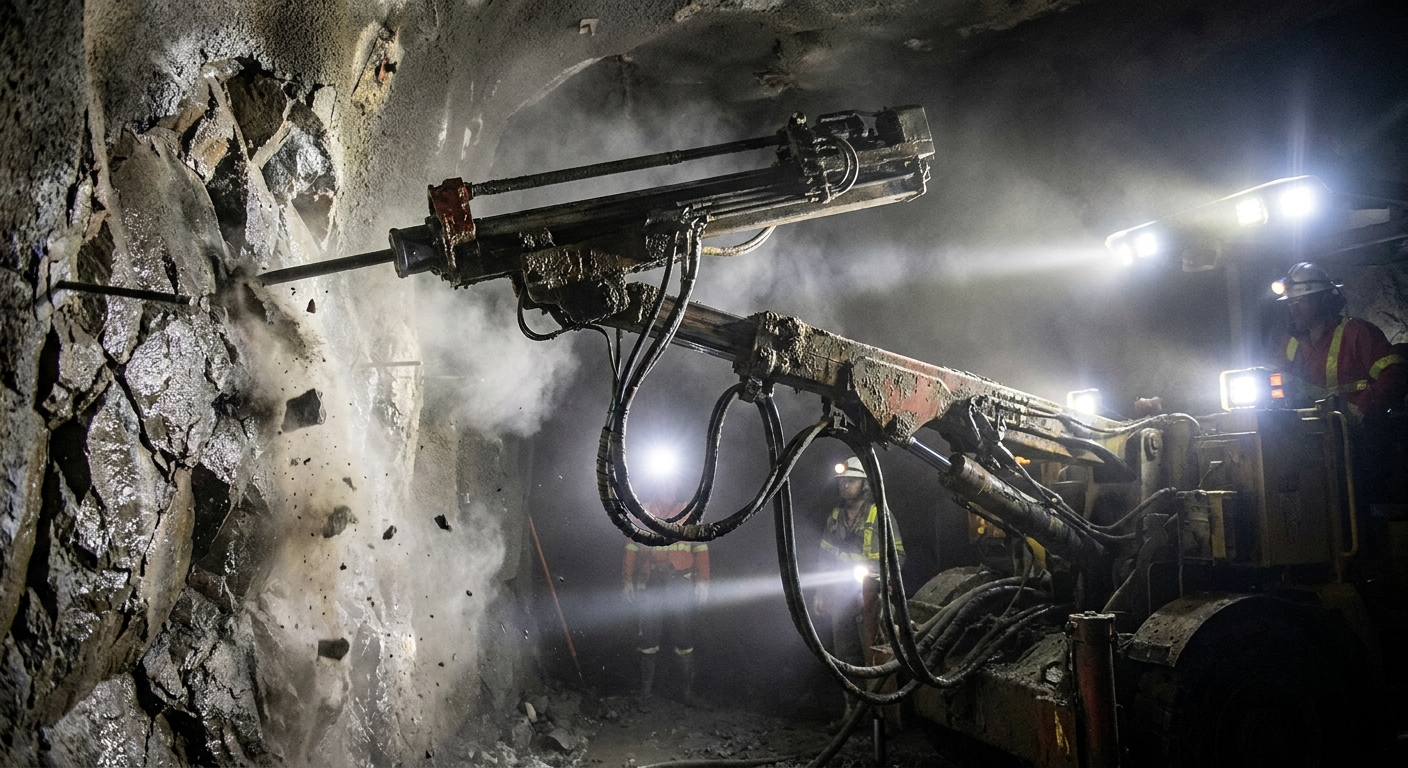
Rock bolt installation varies significantly by rock type because the mechanical strength of the surrounding geology dictates the appropriate anchoring mechanism. Hard, competent rock supports immediate mechanical wedging, while highly fractured strata require chemical bonding. Choosing the wrong anchor for your geological class can lead to immediate support failure.
Anchoring challenges in highly fractured strata
Fractured formations are prone to borehole collapse, making standard mechanical anchoring extremely difficult. In highly corrosive and water-rich geologies, you must protect your material handling systems from acidic moisture. Implementing corrosion-resistant HDPE rollers on your conveyors goes hand-in-hand with choosing galvanized rock anchors to prevent mechanical degradation.
Look: You must use rapid-setting resins or self-drilling systems to secure holes before they cave in.
- Resin capsules cure within seconds to prevent shifting.
- Hollow bars eliminate borehole collapse issues during drilling.
- Dual-stage grouting seals surrounding rock joints effectively.
Key Takeaway: Fractured ground requires rapid chemical bonding or self-casing bolts to guarantee immediate structural safety.
What works best for soft or loose formations?
Soft formations like clay or shale do not have the compressive strength to support high point-loads.
But that’s not all. Using friction-stabilized tubes or full-column grouted bolts prevents localized material crushing.
- Split sets adjust dynamically to soft rock shifts.
- Swellex bolts distribute friction over the entire length.
- Polyurethane grouts consolidate loose rock particles.
Key Takeaway: Distributing the anchoring load over the full length of the bolt is vital when working in soft ground.
| Rock Class | Geological Strength | Recommended Anchor Type | |
|---|---|---|---|
| Class I & II | Hard / Competent | Expansion shell mechanical bolts | |
| Class IV & V | Soft / Highly Fractured | Self-drilling hollow bars or Swellex |
Understanding rock classification helps engineers specify the safest and most efficient anchoring technology for their project.
Can rock bolt installation prevent soil collapse?
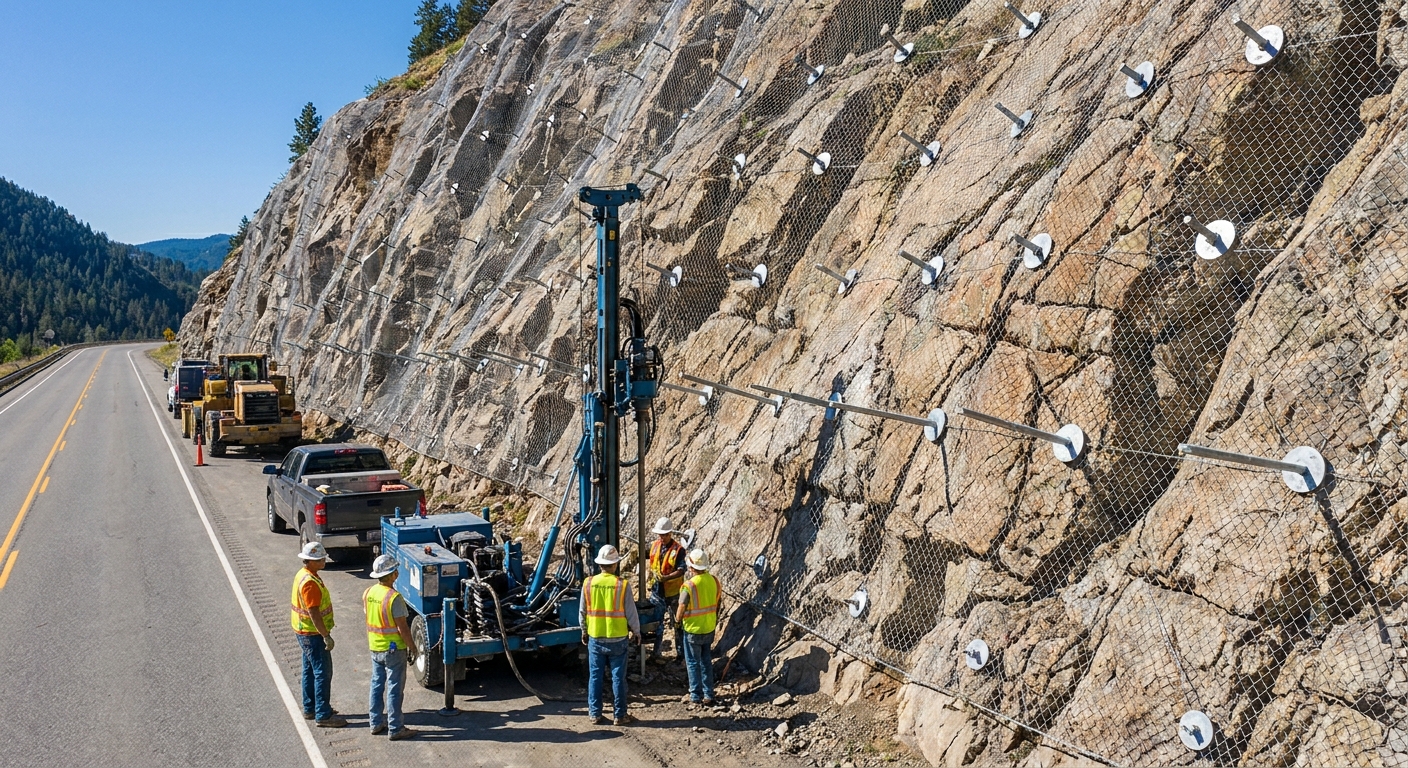
Rock bolt installation can prevent soil collapse when adapted into systematic soil nailing and tieback retention systems. By inserting tensioned steel rods into weak soil slopes, you can create a cohesive retaining block. This engineering technique is vital for stabilizing highway cuts and deep foundation excavations.
Applying civil engineering stabilization methods
Deep foundations and highway cut slopes require active reinforcement to prevent catastrophic slope failures.
Think about it: An unreinforced soil face can slide instantly during heavy rains, destroying nearby infrastructure.
- Soil nails bind loose soil strata into a unified mass.
- Geotextile mesh prevents surface erosion and water ingress.
- Shotcrete surfaces seal the retaining wall’s outer face.
Key Takeaway: Adapting mining bolting techniques to civil projects creates highly durable, low-profile soil retaining walls.
The role of retaining plates and structural steel
Oversized steel plates are essential to transfer the bolt’s tensile load directly to the face of the excavation.
Here is the deal: Without a wide dome plate, the tensioned bolt would simply pull straight through the soft soil surface.
- Domed plates adapt easily to uneven ground surfaces.
- High-strength nuts maintain prestressed tension over time.
- Hardened steel washers prevent friction wear during tightening.
Key Takeaway: High-quality faceplates ensure that tension forces are distributed evenly across the slope.
| Civil Application | Typical Soil Condition | Key Structural Component | |
|---|---|---|---|
| Basement Excavation | Compacted sand and silt | Tensioned tieback anchor rod | |
| Highway Cut Slope | Weathered clay and gravel | Grouted soil nail with mesh face |
This comparison details how different geotechnical slope hazards are addressed using specialized retention components.
When is self-drilling rock bolt installation best?
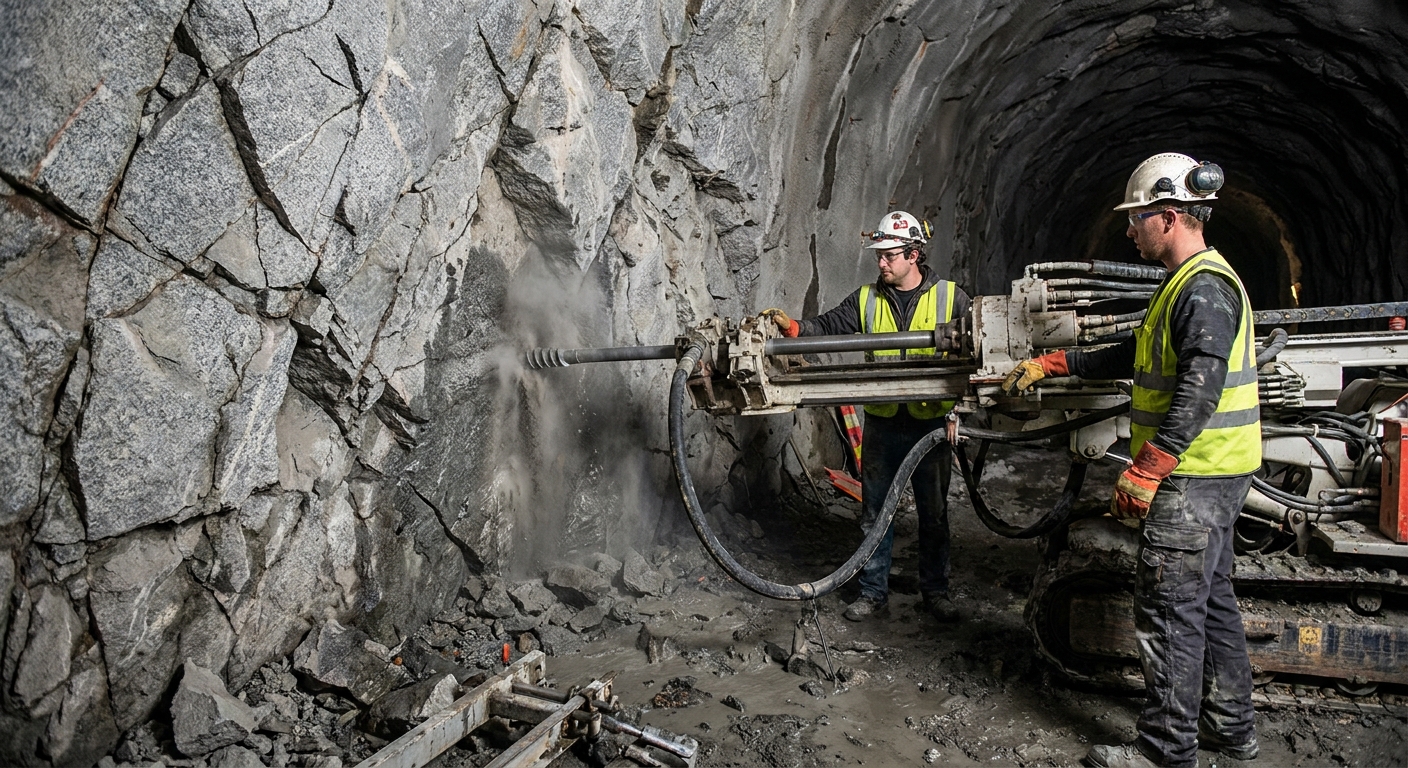
Self-drilling rock bolt installation is best when you are working in collapsing sand, gravel, or highly fractured bedrock where pre-drilled holes cave in before a bolt can be inserted. This system eliminates the drilling casing phase entirely, ensuring rapid, continuous advance rates. It is the gold standard for navigating unpredictable and loose overburden geologies.
The power of simultaneous drilling and grouting
By integrating the drilling rod, anchor bar, and grouting channel into one system, you eliminate multiple operational steps. In heavy-duty rock removal zones, you must ensure your equipment can handle high-impact vibration. Using high-strength steel rollers on your conveyors will maintain reliable material transport alongside your high-speed self-drilling operations.
Look: You drill the hollow bolt directly into place, pump grout through the center, and immediately secure the ground.
- Eliminates the need for temporary casing tubes.
- Speeds up the installation cycle significantly.
- Fills surrounding rock voids with high-pressure grout.
Key Takeaway: Combining drilling and grouting into a single step prevents borehole collapse and reduces project labor.
Ideal conditions for hollow bar systems
Hollow bar self-drilling systems excel in unpredictable ground where traditional anchors fail to grip.
But that’s not all. They provide outstanding pull-out resistance by creating a highly irregular, high-friction grout-soil interface.
- Non-cohesive soils and landfill sites.
- High-water-inflow zones that wash out resins.
- Highly weathered overburden structures.
Key Takeaway: Self-drilling anchors are the premier choice for challenging, unstable ground conditions.
| Parameter | Traditional Grouted Bolt | Self-Drilling Hollow Bar | |
|---|---|---|---|
| Installation Steps | Three (Drill, Insert, Grout) | One (Drill and Grout simultaneously) | |
| Borehole Collapse Risk | High (requires casing) | Zero (rod remains in hole) |
This technical comparison shows how hollow bar systems optimize cycle times in the most challenging geologies.
How does swelling affect rock bolt installation?
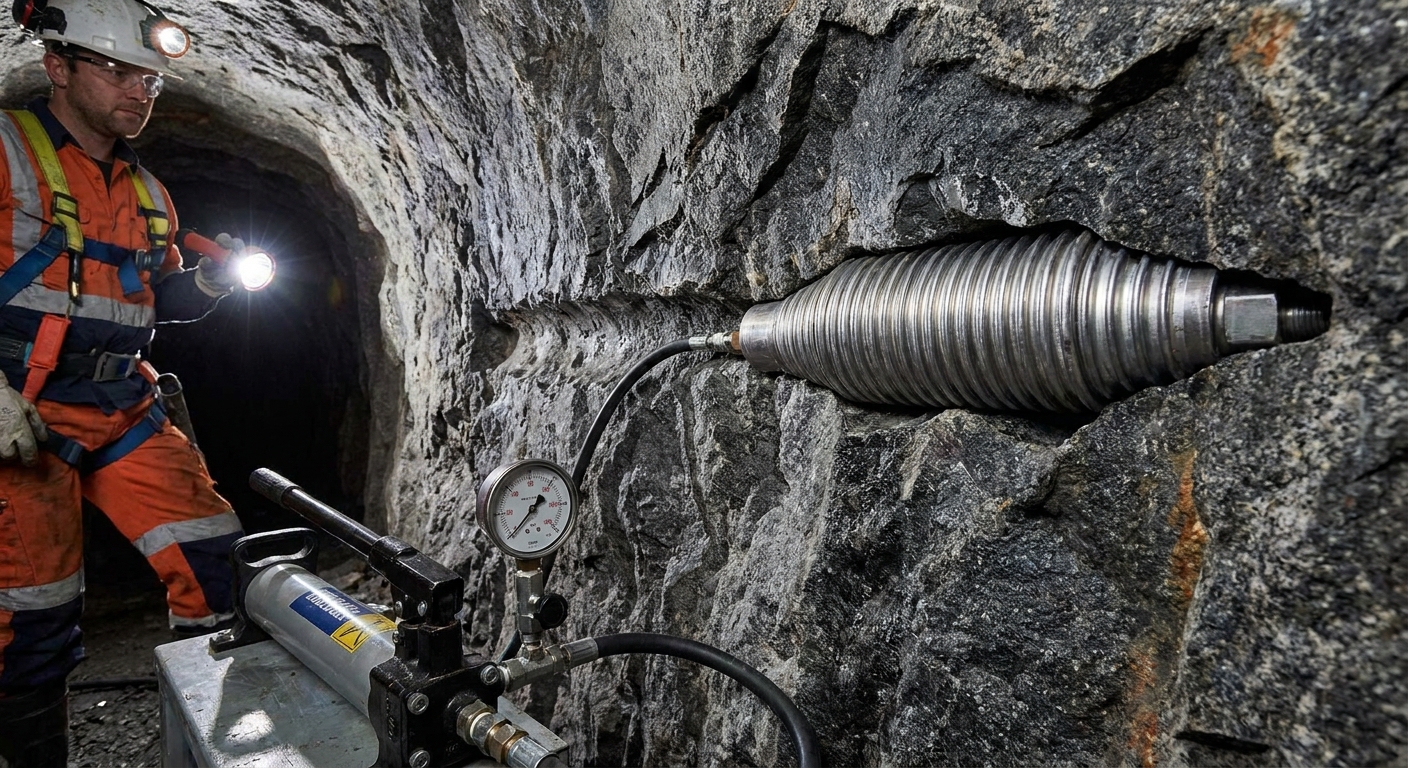
Swelling affects rock bolt installation by utilizing hydraulic expansion to create a full-length friction bond against the uneven contours of a borehole. This innovative expansion mechanism generates an immediate, high-capacity lock without requiring grout curing time. It provides a highly reliable, user-friendly ground support solution for dynamic mining environments.
Understanding friction and hydraulic expansion
The Swellex system uses a folded steel tube that is expanded inside the borehole using high-pressure water.
Think about it: A simple injection of pressurized water can create a massive, permanent lock along the entire bolt length.
- Water pressure reaches up to 300 bar for expansion.
- Steel conforms perfectly to irregular rock profiles.
- Provides instant ground support without curing delays.
Key Takeaway: Hydraulic expansion provides a fast, clean, and highly predictable frictional anchorage system.
Why choose swellex systems over standard bolts?
Swellex-style expandable bolts offer unparalleled reliability in high-vibration blasting environments.
Here is the deal: Because they expand to fill the entire hole, they are not sensitive to minor drill bit wear.
- High tolerance for borehole diameter variations.
- Unaffected by blasting vibrations nearby.
- Visual proof of expansion guarantees quality control.
Key Takeaway: Expandable friction bolts simplify onsite quality assurance and provide immediate roof safety.
| Support Type | Immediate Load Capacity | Drill Hole Sensitivity | |
|---|---|---|---|
| Swellex (Hydraulic) | High (Instant) | Very Low tolerance needed | |
| Cement Grouted | Low (Requires 24h cure) | Moderate tolerance needed |
The table illustrates why high-speed tunneling projects rely on hydraulic expansion to maintain rapid daily advance rates.
Is split set rock bolt installation cost-effective?
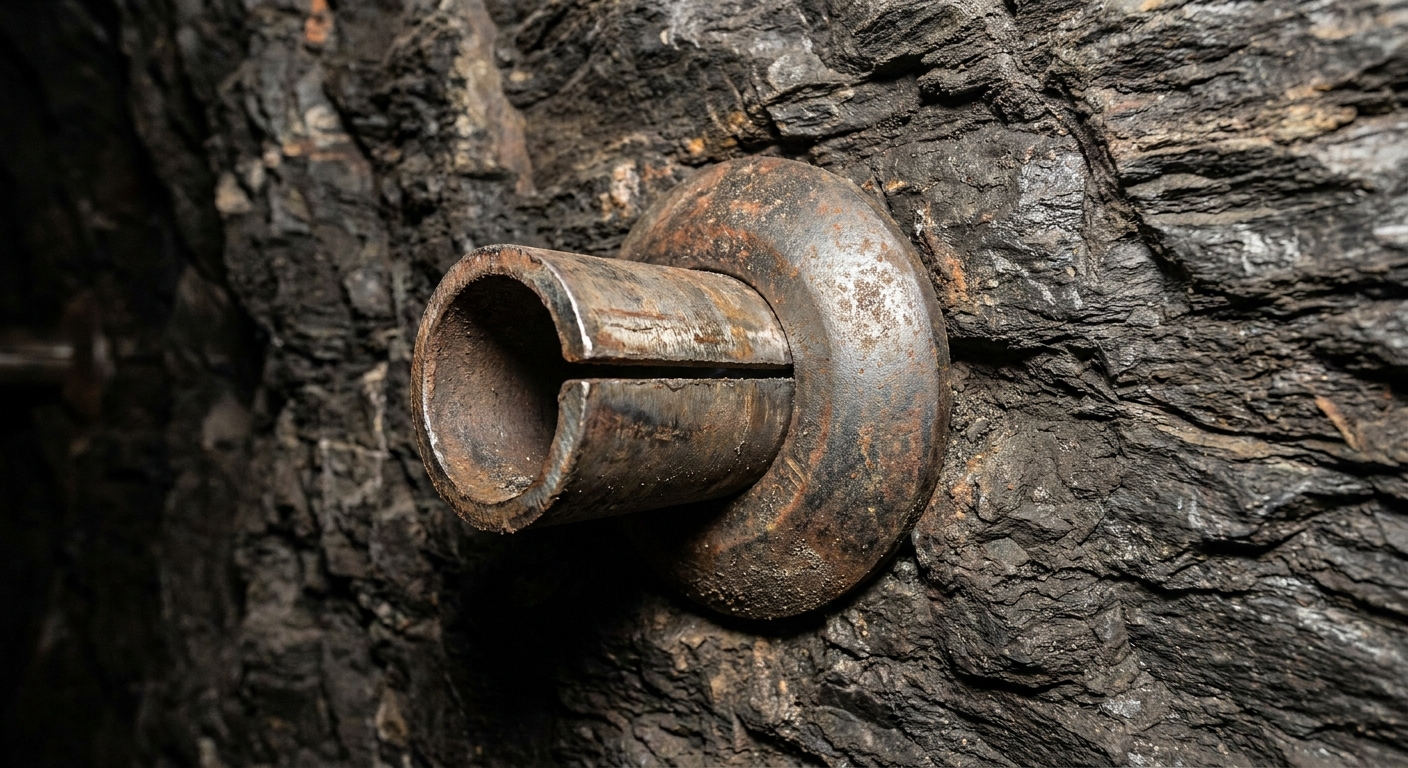
Split set rock bolt installation is highly cost-effective because it utilizes a simple, grout-free friction design that can be installed quickly using standard pneumatic drills. It represents one of the lowest material-cost options for temporary ground reinforcement in short-life mine workings. Its straightforward mechanical operation minimizes labor training requirements.
Simple design for immediate temporary support
A split set is a high-strength steel tube with a continuous slot running along its entire length.
Look: You simply drive this oversized tube into a smaller borehole, creating instant holding power.
- Squeezing the tube generates continuous radial friction.
- No chemical resins or cement mixing required.
- Perfect for fast-moving mining headings.
Key Takeaway: Split sets offer the fastest and most economical ground support for short-term excavations.
How friction-stabilized tubes reduce material costs
Eliminating the need for expensive grouting equipment dramatically lowers your capital and labor costs.
But that’s not all. Because they can adapt to minor rock movements without snapping, they provide excellent dynamic support.
- Lowers material transport costs underground.
- Simplifies miner training requirements.
- High-ductility steel absorbs geological shifts.
Key Takeaway: Split sets minimize your support budget while meeting all essential temporary safety standards.
| Anchor Type | Grout Requirement | Relative Installation Cost | |
|---|---|---|---|
| Split Set | None (Dry mechanical fit) | Very Low | |
| Resin Encapsulated | High (Chemical cartridges) | Moderate to High |
This comparison highlights how split sets achieve excellent B2B cost savings for short-life mine headings.
What are the steps of rock bolt installation?
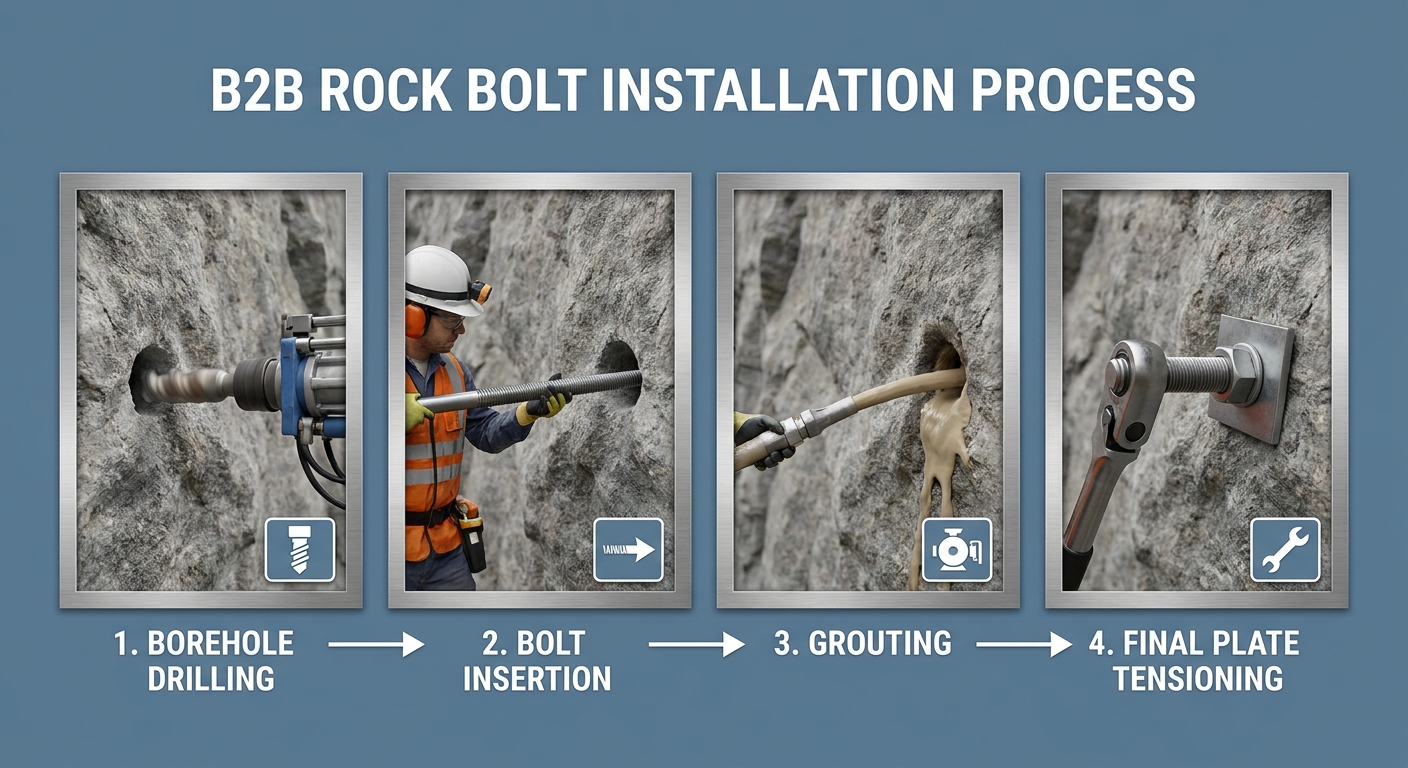
The steps of rock bolt installation consist of drilling a precise borehole, cleaning out debris, inserting the steel anchor, and applying grout or physical tension. Adhering to a strict quality-controlled sequence is essential to guarantee the ultimate load capacity of your ground support system. Skipping key steps can result in localized failures that compromise overall safety.
Step 1: Drilling the primary borehole
Drilling a straight hole of the exact specified diameter is critical to the bolt’s load capacity.
Think about it: If your drill bit is worn, the hole will be too tight, preventing proper bolt insertion.
- Check bit diameter regularly to ensure compliance.
- Drill to the exact specified engineering depth.
- Flush the hole with compressed air or water.
Key Takeaway: Precise drilling establishes the mechanical foundation for successful anchor performance.
Step 2: Insertion, grouting, and post-tensioning
Inserting the bolt smoothly and applying the correct tension activates the ground support system.
Here is the deal: An untensioned bolt is merely a passive rod that won’t prevent initial geological shifts.
- Insert resin capsules or cement grout smoothly.
- Spin or push the bolt to mix chemicals.
- Apply the specified torque using calibrated jacks.
Key Takeaway: Systematic insertion and tensioning guarantee that your rock bolts actively load-bear from day one.
| Process Step | Operational Goal | Critical Quality Indicator | |
|---|---|---|---|
| 1. Borehole Drilling | Create a straight, clean anchor hole | Diameter tolerance within ±1mm | |
| 2. Grouting & Tension | Secure the rod and apply active force | Torque value matching design load |
This detailed installation matrix serves as a quick reference guide to ensure perfect quality control on site.
Why monitor a finished rock bolt installation?
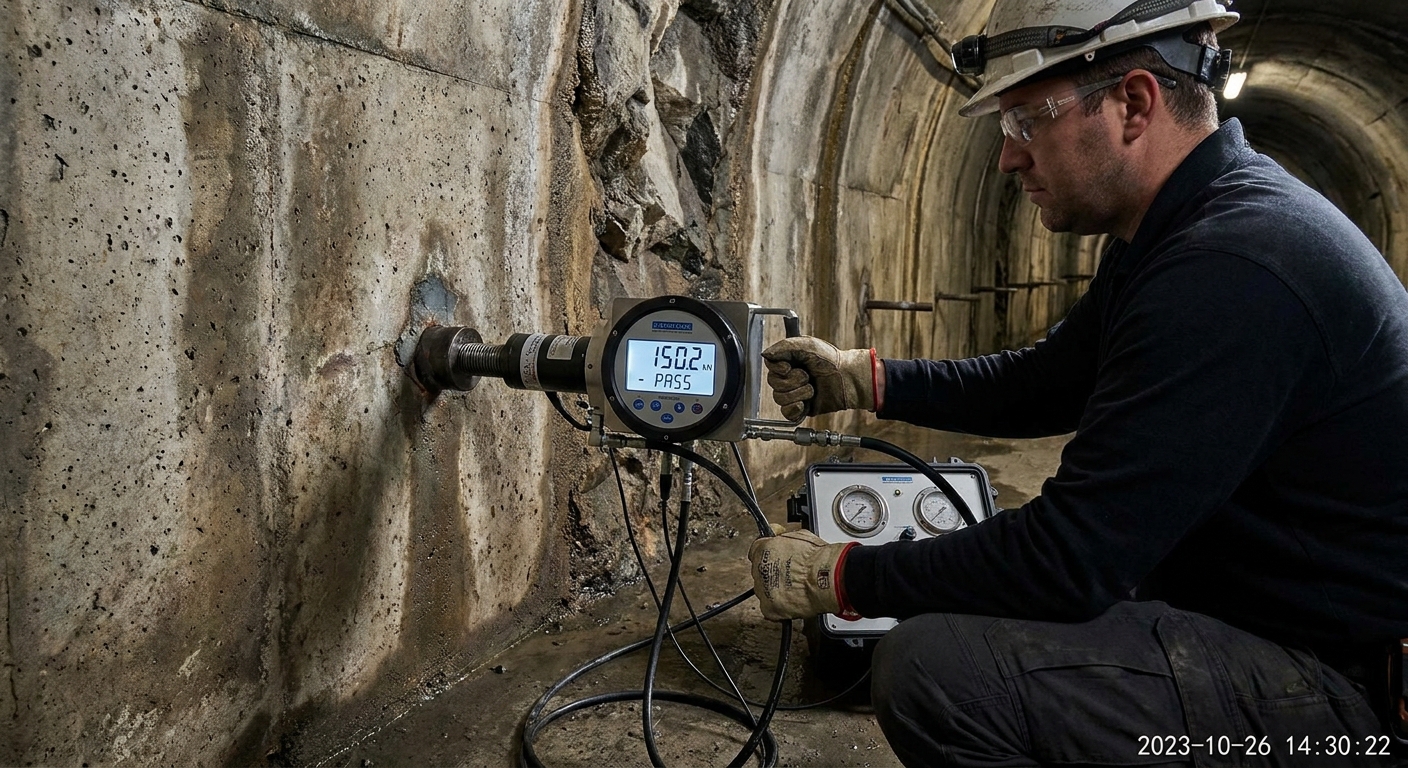
Monitoring a finished rock bolt installation is essential to verify that the anchoring force remains stable and unaffected by corrosion or stress relaxation over time. Geotechnical changes can slowly degrade safety parameters, requiring periodic inspection of installed hardware. Proactive monitoring helps mining and civil operations prevent sudden, unexpected ground failures.
Inspecting tension levels and anchorage integrity
Regular load verification tests prove that your ground support remains compliant with rigorous safety codes.
Look: Geological pressures can change over time, making regular pull-out testing non-negotiable.
- Use hydraulic pull jacks to measure holding force.
- Inspect load indicator washers for visual signs of deflection.
- Document all pull test results for safety audits.
Key Takeaway: Non-destructive pull-out tests provide empirical proof that your safety barriers are functioning perfectly.
How to prevent stress-corrosion cracking
Acidic groundwater and constant high tension can cause catastrophic stress-corrosion cracking in steel bolts.
But that’s not all. A sudden corrosion failure can lead to progressive rockfalls without any visible warning signs.
- Specify hot-dip galvanized coatings for wet tunnels.
- Utilize epoxy-coated bolts in highly acidic environments.
- Ensure full grout coverage to seal out oxygen.
Key Takeaway: Implementing robust corrosion barriers is vital to ensuring a multi-decade operational lifespan.
| Monitoring Method | Parameter Verified | Operational Frequency | |
|---|---|---|---|
| Hydraulic Pull Testing | Ultimate anchorage load capacity | Monthly sample basis (1-3% of bolts) | |
| Visual Wash Inspection | Visual tension check | Weekly walk-through audits |
Regular structural monitoring is the final pillar of a highly resilient, zero-harm underground ground control strategy.
Geotechnical Safety and Long-Term Operations
Selecting the perfect ground control system is crucial to eliminating the financial and physical risks of excavation collapses. As a leading manufacturer of high-tolerance geotechnical steel systems and industrial equipment, Yongduo Roller is committed to delivering the highest caliber of reinforcement materials. To optimize your subterranean operations and secure your working faces with industry-leading technology, please contact us today to consult with our specialized engineers. We stand ready to provide complete, certified ground reinforcement products designed to withstand the harshest structural environments and drive your project safely into the future.
Frequently Asked Questions (FAQs)
Can I perform a rock bolt installation in completely loose soil?
Yes, but you must use a self-drilling hollow-bar system. Standard rock bolts that rely on pre-drilled, open boreholes will fail because the loose soil will collapse before you can insert the steel rod.
What’s the best way to determine if a rock bolt is installed correctly?
Conducting a hydraulic pull-out test is the most reliable method. By applying a controlled tensile load with a calibrated hydraulic jack, you can empirically verify if the anchor can withstand its design safety load without slipping.
Can I reuse split set rock bolts once they are removed?
No. Friction-stabilized bolts like split sets undergo permanent, irreversible plastic deformation when they are driven into the borehole. Attempting to reuse them will result in severely compromised load capacity and extreme structural risk.
How long do resin-anchored rock bolts take to cure before carrying a load?
Typically between 1 and 5 minutes, depending on the chemical speed of the resin capsule. This rapid curing profile is why resin anchors are highly popular for fast-cycle mining operations.
What’s the best way to prevent stress-corrosion cracking?
Utilizing hot-dip galvanized (HDG) or double-layer epoxy coatings is the most effective approach. These high-durability barriers prevent acidic groundwater from contacting the high-tensile steel, extending the bolt’s lifespan to over fifty years.