The critical role of resin capsules in rock bolting and safe chemical anchoring is to provide high-strength, permanent geological stabilization by chemically bonding steel bolts directly into unstable rock strata. Underground mining and tunneling operations face severe geological stability issues where traditional mechanical rock anchors frequently slip, lose tension, and fail under dynamic geological stress. When a rock anchor fails, the consequences are immediate and devastating, resulting in expensive cleanup, long regulatory investigations, and safety hazards. By using high-performance chemical grouts, our field-proven solutions create an immovable bond that locks the steel bolt and rock together, preventing roof collapses and ensuring operational continuity.
Why use resin capsules for chemical anchoring?
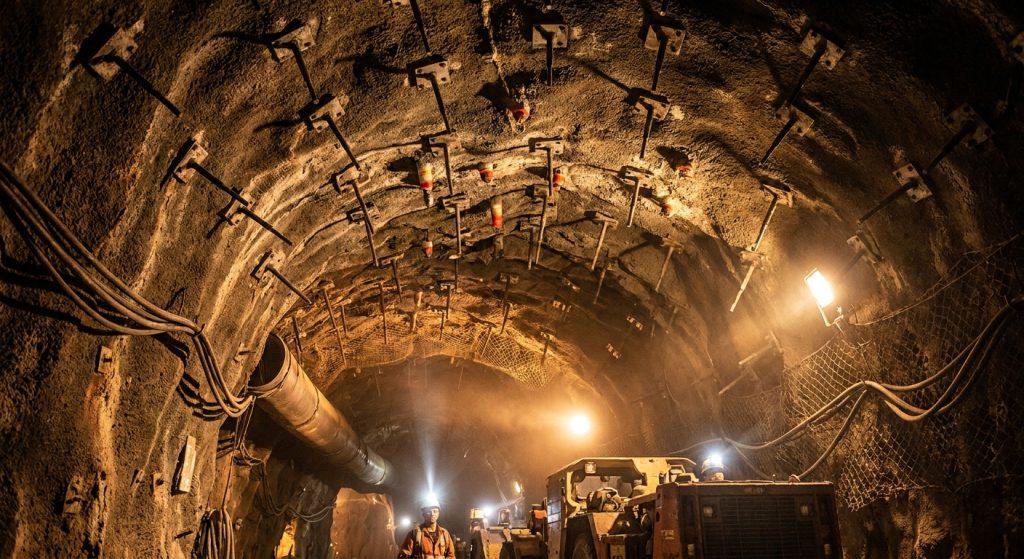
Using resin capsules for a chemical anchoring application provides high-strength, permanent geological stabilization by chemically bonding steel bolts directly into unstable rock strata. High-performance chemical cartridges are essential for demanding mining and tunneling operations where mechanical anchors fail under dynamic load. Under typical conditions, these advanced chemical solutions prevent the sudden slip of anchors by establishing a highly resilient friction lock. This continuous structural support is what keeps operators safe in deep underground tunnels.
To guarantee safety, operators must implement reliable support solutions that integrate with high-capacity equipment. Implementing strategic mining ground support systems allows you to maintain continuous haulage and secure tunnel spans. By selecting engineered chemicals, mines can achieve long-term safety goals efficiently. This proactive strategy prevents roof collapses and expensive equipment damage.
What is the PAS anchoring methodology?
When you are dealing with challenging underground strata, mechanical bolts often fall short. Here is the truth:
- Identify the problem: Mechanical rock anchors slip under high stress, causing immediate ground control risks.
- Agitate the impact: Strata movement threatens operational safety, creates costly delays, and destroys equipment.
- Solve with chemistry: Inserting chemical grouts creates an immovable, high-adhesion lock that prevents roof collapses.
By changing your anchoring methodology, you ensure that ground shifts do not compromise your haulage paths. This chemical solution forms an airtight seal that actively resists dynamic rock stress.
How does chemical bonding prevent failure?
Chemical bonding eliminates the weak points associated with traditional mechanical expansion shells. Think about it:
- Continuous load transfer: Distributes load forces along the entire length of the borehole.
- Complete environmental seal: Keeps moisture out to prevent bolt corrosion inside the hole.
- Vibration dampening resistance: Absorbs heavy dynamic shocks from nearby mining operations.
This means you can rely on the system to remain stable even during heavy blasting cycles. The polymer matrix cushions the bolt against lateral shifts. Key Takeaway: Choosing premium chemical anchor cartridges ensures your ground control systems withstand extreme strata pressures while protecting key infrastructure and personnel.
What are high-performance resin capsules?
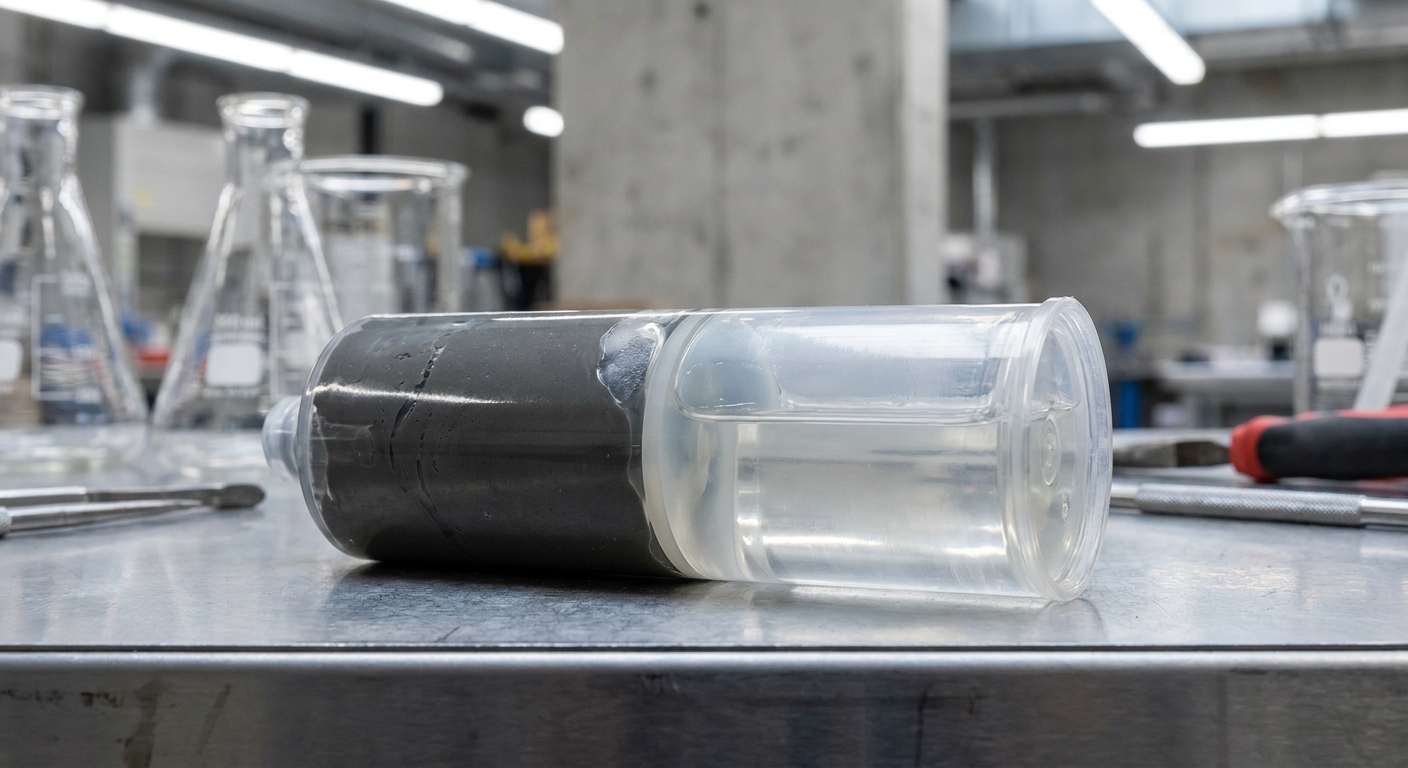
High-performance resin capsules are dual-compartment cartridges containing highly reactive polyester resin mastic and a precise dosage of catalyst separated by a physical internal barrier. These specialized resin capsules utilize tough, lightweight plastic films that prevent premature chemical reaction while allowing easy shredding during installation. When you spin a rock bolt through the cartridge, the film shreds completely to initiate a rapid curing process. This rapid cure is critical for achieving early load-bearing capacity.
Modern underground setups require precise chemical ratios to prevent structural failures. Using high-quality chemical cartridges ensures that your rock bolts are anchored firmly across the entire borehole length. This reliability is especially important when you are securing deep tunnel roofs. It ensures the longevity of your ground support system.
How do two-compartment capsules work?
The secret to the reliability of this system lies in its dual-compartment design. Let’s look closer:
- Dual storage compartment: Keeps the reactive mastic isolated from the catalyst agent.
- Physical barrier system: Prevents chemical cross-contamination during transit and storage.
- Thorough mechanical mixing: Shreds the film as the spinning bolt mixes the components.
This means you get a perfect mix every single time without manual measurements on-site. The physical barrier is engineered to withstand transport shocks but shred easily under rotational force.
Why is mastic and catalyst separation critical?
Separation between the mastic and the catalyst is the only way to prevent premature hardening. Here is why:
- Prolonged shelf life: Prevents premature chemical reaction prior to placement.
- Controlled curing speed: Guarantees uniform gel times once the two components mix.
- Maximum physical performance: Achieves optimal chemical cure ratios for high load-bearing.
Without this separation, your stock would spoil before reaching the active face. It ensures that your anchoring forces remain consistent throughout the mine. Key Takeaway: The precise mechanical separation of active compounds within the cartridge guarantees that the structural curing process only begins when the bolt is actively spun inside the borehole.
| Component Type | Primary Material Role | Material Characteristics | Performance Contribution | |
|---|---|---|---|---|
| Mastic Compound | Polyester Resin Base | Thixotropic, high-viscosity fluid | Provides ultimate tensile and shear strength | |
| Catalyst Agent | Organic Peroxide Curing Agent | Stable, finely dosed paste | Initiates rapid chemical cross-linking | |
| Barrier Film | Polyester Outer Packaging | Light, puncture-resistant film | Shreds cleanly during bolt rotation |
This analytical table illustrates how the separation of components directly influences the final structural integrity of the chemical anchor.
How do resin capsules improve rock bolting?
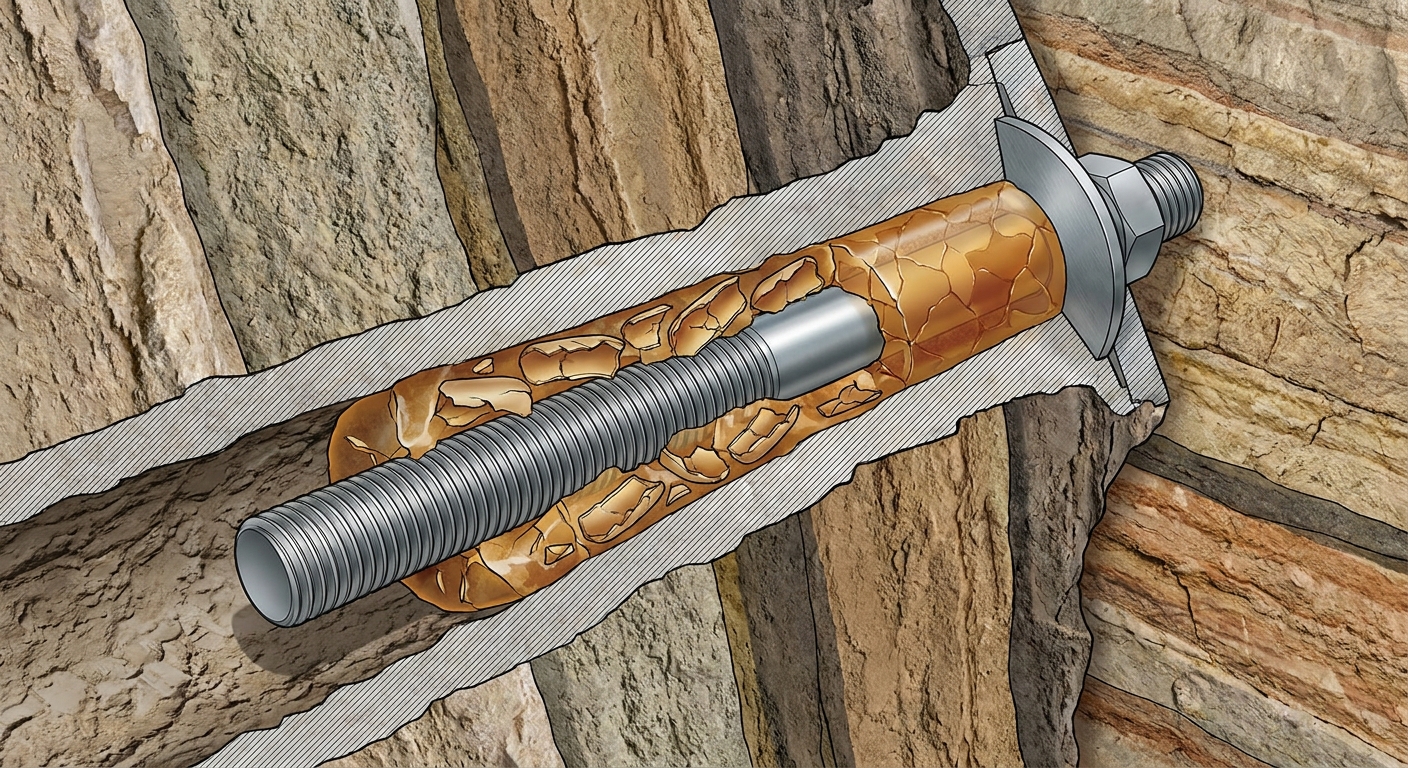
Advanced resin capsules improve rock bolting by lowering the installation torque and enhancing mechanical interlock with the borehole walls through thixotropic compound flow. Modern resin capsules are engineered with thixotropic properties to drastically reduce insertion resistance while maximizing structural stiffness. When you rotate the steel bolt, the shear forces temporarily thin the compound for smooth flow. This ensures that the anchor completely fills every crack and void in the rock.
To achieve maximum stability, you must pair these anchors with high-quality transport machinery. Utilizing a reliable mining conveyor roller keeps your material transfer zones clear of falling debris during heavy rock-bolting procedures. This integration of chemical anchoring and robust transport hardware builds a truly resilient mining operation. It keeps your productivity high and downtime low.
Why is thixotropic flow important for anchors?
Thixotropic behavior is what makes overhead installations practical and mess-free. It gets even better:
- Reduced insertion torque: Decreases physical resistance as the structural bolt rotates.
- Excellent vertical retention: Eliminates messy chemical dripping in overhead roof applications.
- Complete borehole filling: Eliminates empty air pockets around the steel rebar thread.
You do not have to worry about chemical runoff wasting your materials. The gel stays put until the spinning rebar triggers the mixing action.
How do size-graded fillers assist shredding?
The inclusion of size-graded fillers serves a vital physical purpose during the mixing phase. What does this mean?
- Rapid film shredding: Speeds up the destruction of the outer containment film.
- Enhanced chemical mixing: Promotes homogeneous distribution of the hardener paste.
- Mechanical lock enhancement: Increases frictional resistance against borehole side walls.
By grinding the film into tiny particles, you prevent unmixed pockets of resin. This ensures the chemical cure is completely uniform. Key Takeaway: Thixotropic compounds combined with size-graded fillers allow for effortless bolt installation while producing a high-stiffness anchor that holds heavy roof loads.
| Material Property | Mechanical Action | Operational Impact | Structural Benefit | |
|---|---|---|---|---|
| Thixotropic Flow | Viscosity drops under shear force | Lowers installation torque | Speeds up bolting cycles | |
| Size-Graded Fillers | Grinds polyester film packaging | Achieves uniform chemical mixing | Ensures rapid load-bearing | |
| Mechanical Interlock | Fills rock micro-fractures | Restricts rock movement | Prevents long-term ground shifting |
Understanding these material behaviors highlights how advanced chemical engineering directly translates to faster and safer bolting cycles underground.
What are the sizes of these resin capsules?
Standard resin capsules are available in outer diameters ranging from 23mm to 35mm and lengths up to 2400mm to perfectly match structural boreholes. Selecting correctly sized resin capsules is vital to guarantee proper chemical volume and tight mechanical anchoring within the borehole. If you use a cartridge that is too small, you will get incomplete bonding. Conversely, an oversized cartridge can make bolt installation extremely difficult.
To optimize your operations, you can also look at other key systems like transport equipment. For example, installing a robust troughing idler helps secure your heavy-duty conveyor lines below these newly reinforced rock roofs. Maintaining a safe mine requires focusing on both roof stability and conveyor reliability. This holistic approach ensures your production never stalls.
What standard diameters fit drill boreholes?
Matching your drill bits to the correct capsule diameter is essential for a proper fit. Here is the key:
- 23mm diameter cartridges: Engineered for tight 28mm boreholes to optimize grout thickness.
- 28mm diameter cartridges: Sized for heavy-duty 32mm industrial borehole installations.
- 35mm diameter cartridges: Developed for high-capacity 42mm heavy geological holes.
When you maintain the proper annulus, the chemical curing reaction proceeds under ideal pressure. This guarantees maximum shear resistance along the steel-rock interface.
Are customized cartridge lengths available?
Every mining project has unique geological challenges that require custom solutions. Think about it:
- Custom product lengths: Available up to 2400mm for deep rock anchorage.
- Variable volume dosing: Prevents chemical waste by matching specific borehole depths.
- Flexible job-site delivery: Matches precise project engineering specifications.
You can customize your orders to match your specific roof bolting patterns. This level of flexibility helps you save on raw material costs. Key Takeaway: Using the correct cartridge size optimizes the chemical annulus, ensuring complete borehole fill and preventing expensive product waste.
| Capsule Size (Diameter x Length) | Compatible Borehole Size | Primary Application | Recommended Bolt Type | |
|---|---|---|---|---|
| 23mm x 350mm | 28mm Borehole | Narrow-hole roof support | High-strength deformed bar | |
| 28mm x 400mm | 32mm Borehole | Standard coal mine anchoring | Fully threaded steel rebar | |
| 35mm x 400mm | 42mm Borehole | Heavy tunneling civil works | High-capacity rock bolts |
Selecting the appropriate diameter and length ensures complete void filling and prevents dangerous under-grouting in underground voids.
Which speed options do resin capsules offer?
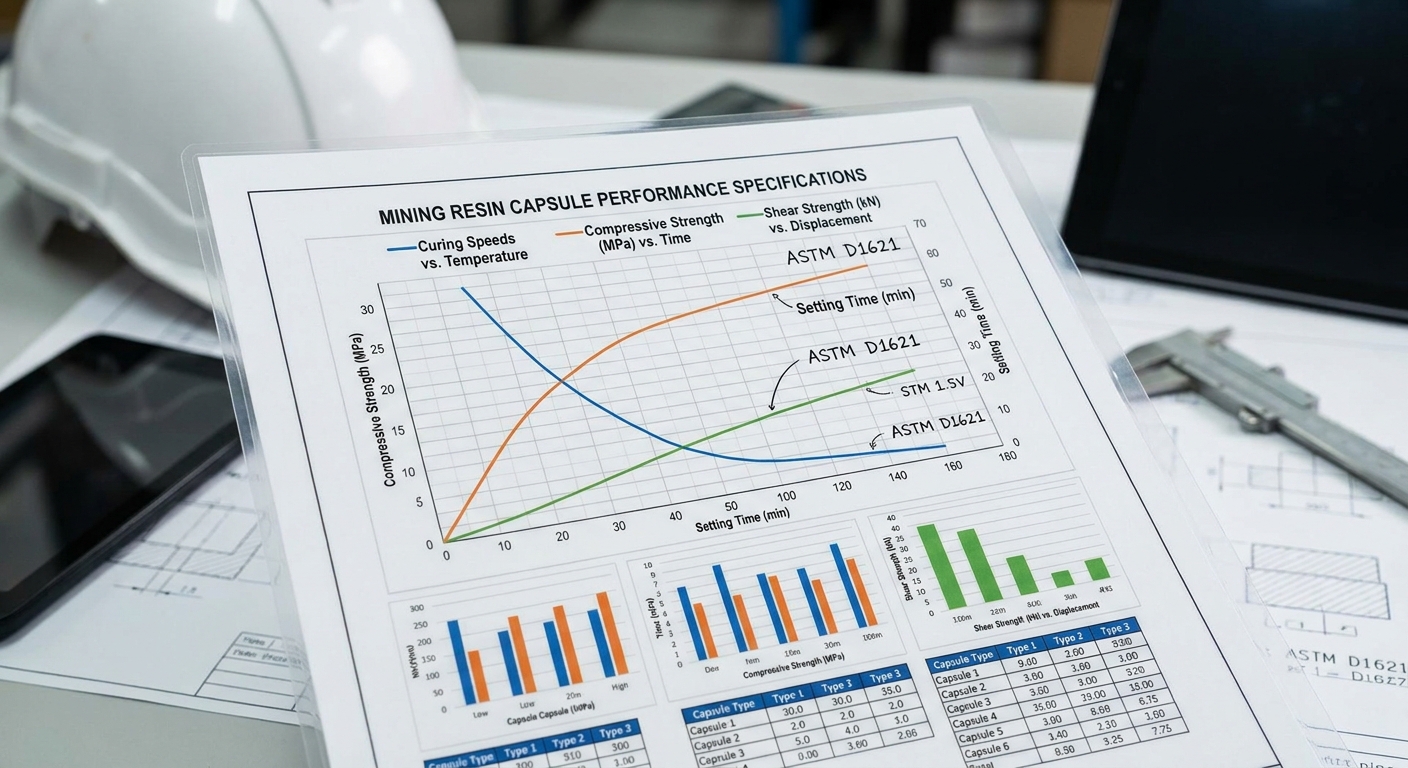
High-grade resin capsules offer a wide range of gel and set speeds from super-fast (8 to 25 seconds) to slow (over 180 seconds) to accommodate multi-stage tensioning. Incorporating varying speeds of resin capsules allows civil engineers to anchor and pretension rock bolts in a single, fast installation cycle. When you load different speed cartridges into the same borehole, you can create a dual-speed system. This advanced technique allows the tip to set quickly while the collar remains flexible.
This dual-speed process is incredibly useful when installing heavy-duty support systems near bulk handling areas. You can secure these areas efficiently and then focus on stabilizing your conveyor idler configurations to support continuous output. Combining chemical anchoring with reliable material transport creates a safer workspace. It keeps your productivity high even in poor ground conditions.
How do super-fast and slow set times compare?
Combining different set times is a game-changer for underground productivity. But that is not all:
- Super-fast curing capsules: Reaches initial structural strength in under 30 seconds.
- Slow curing capsules: Provides generous working time of several minutes.
- Dual-speed anchor setups: Combines fast and slow speeds in one hole.
By using a dual-speed cartridge, you can apply tension to the bolt within minutes. This immediate tensioning locks the rock layers together before any joint slippage can occur.
What is the exact gel time for medium speed?
Medium-speed options provide a balanced middle ground for standard civil works. Let’s look at the data:
- Medium speed gelation: Occurs between 91 and 180 seconds at standard temperatures.
- Optimal temperature range: Performs predictably in standard 15°C to 25°C environments.
- Extended adjustment window: Allows perfect alignment of structural components.
This gives your operators enough time to handle longer bolts without fearing premature lockup. It is the perfect choice for deep, complex tunnels where installation cannot be rushed. Key Takeaway: Using a combination of fast and slow curing speeds allows operators to secure the bolt tip quickly while tensioning the remaining bolt length effectively.
| Speed Classification | Gel Time Range | Cure Time Range | Best Industrial Use Case | |
|---|---|---|---|---|
| Super-Fast (CKa) | 8 — 25 Seconds | 10 — 30 Seconds | Tip anchoring for fast bolt tensioning | |
| Fast (K) | 41 — 90 Seconds | 90 — 180 Seconds | Moderate speed ground control setups | |
| Medium (Z) | 91 — 180 Seconds | 480 Seconds | Standard geological anchor installations | |
| Slow (M) | >180 Seconds | Varies by ambient temp | Deep anchoring with long assembly steps |
Matching the chemical reaction rate to your specific installation sequence is the key to achieving optimal bolt pretension.
How to identify resin capsules color codes?
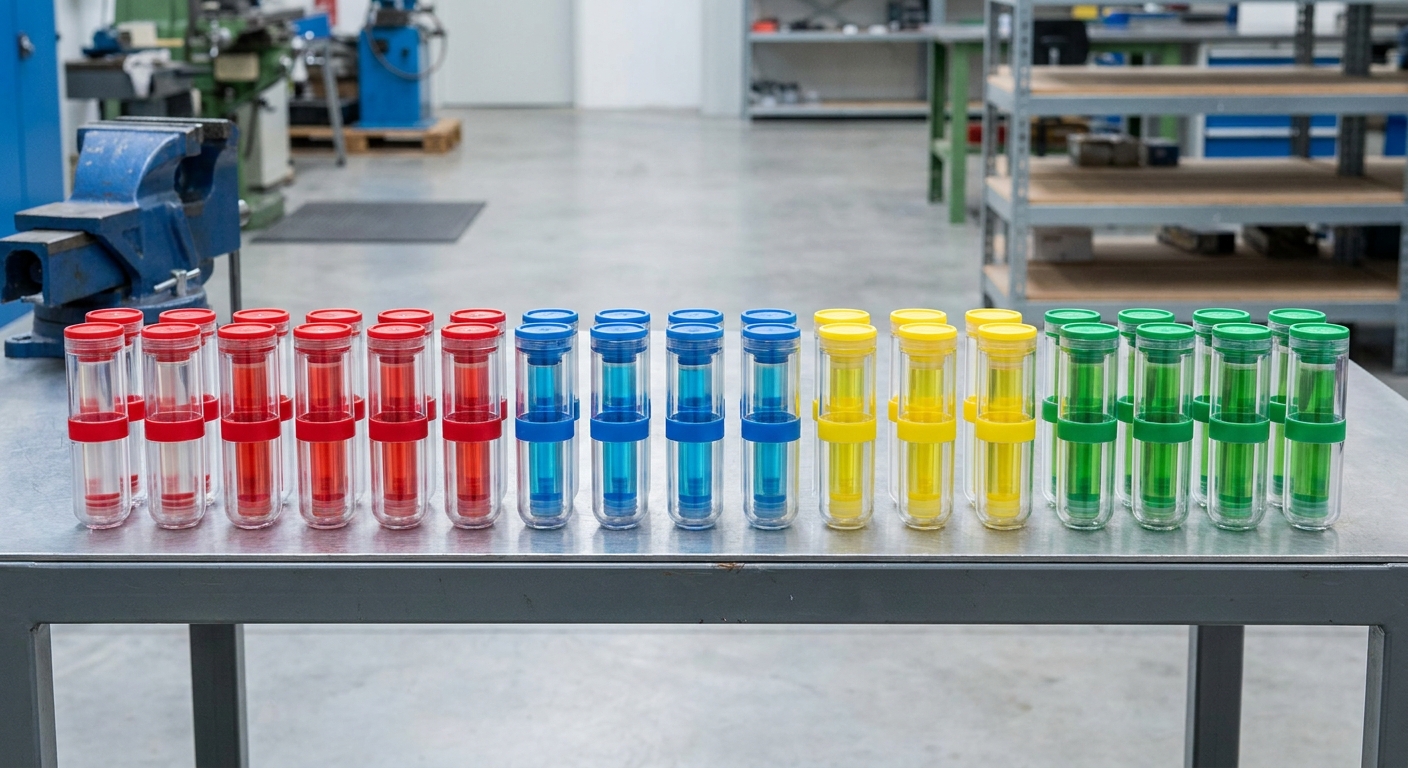
Field operators identify resin capsules color codes by checking the bright visual outer dye of the cartridge, which designates the chemical curing speed. Visual coding of resin capsules prevents dangerous installation errors by allowing immediate speed verification on-site. When you work in low-light underground environments, these distinct colors make selecting the correct cartridge straightforward. This simple visual cue prevents you from confusing fast and slow cartridges.
Maintaining an organized storage area for your chemical anchors and conveyor components is key. It helps you quickly retrieve what you need, whether that is an engineered conveyor pulley or a specific color-coded chemical anchor. Having an orderly setup keeps your team working safely and efficiently. This level of organization directly reduces underground errors.
Why is color-coding essential for field safety?
Mismatched speed configurations are a common cause of failed tensioning. This is crucial:
- Instant speed verification: Helps underground crews select the correct curing speed.
- Prevents tensioning errors: Eliminates the risk of tensioning before chemical cure.
- Improves site auditability: Allows safety inspectors to quickly check bolt compliance.
When your team can identify the gel speed at a glance, installation flows smoothly. You eliminate guesswork and keep the entire bolting operation compliant with engineering designs.
Checking color codes should be a standard part of your pre-shift inspection. Here is what to do:
- Inspect outer film: Ensure the colored sleeve is clean and visible.
- Verify product labeling: Match color codes with physical box stamps.
- Check underground lighting: Verify colors under high-quality cap lamps.
Always double-check the sleeve colors under clear lighting before inserting them into the borehole. This extra step ensures your underground team never installs the wrong speed sequence. Key Takeaway: Strict color-coding on the packaging prevents human error, ensuring that fast-setting and slow-setting chemicals are loaded in the correct order.
| Visual Color Indicator | Chemical Speed Category | Hardening Speed Profile | Primary Installation Stage | |
|---|---|---|---|---|
| Red Sleeve | Super-Fast | 10 to 30 Seconds | Back of borehole (anchor tip) | |
| Yellow Sleeve | Fast | 90 to 180 Seconds | General standard fast anchoring | |
| Blue Sleeve | Medium | Up to 8 Minutes | Intermediate-depth anchoring | |
| Green Sleeve | Slow | Extended | Front of borehole (tensioning zone) |
This color hierarchy acts as an immediate visual safety shield for crews working in low-light environments.
What is the shelf life of resin capsules?
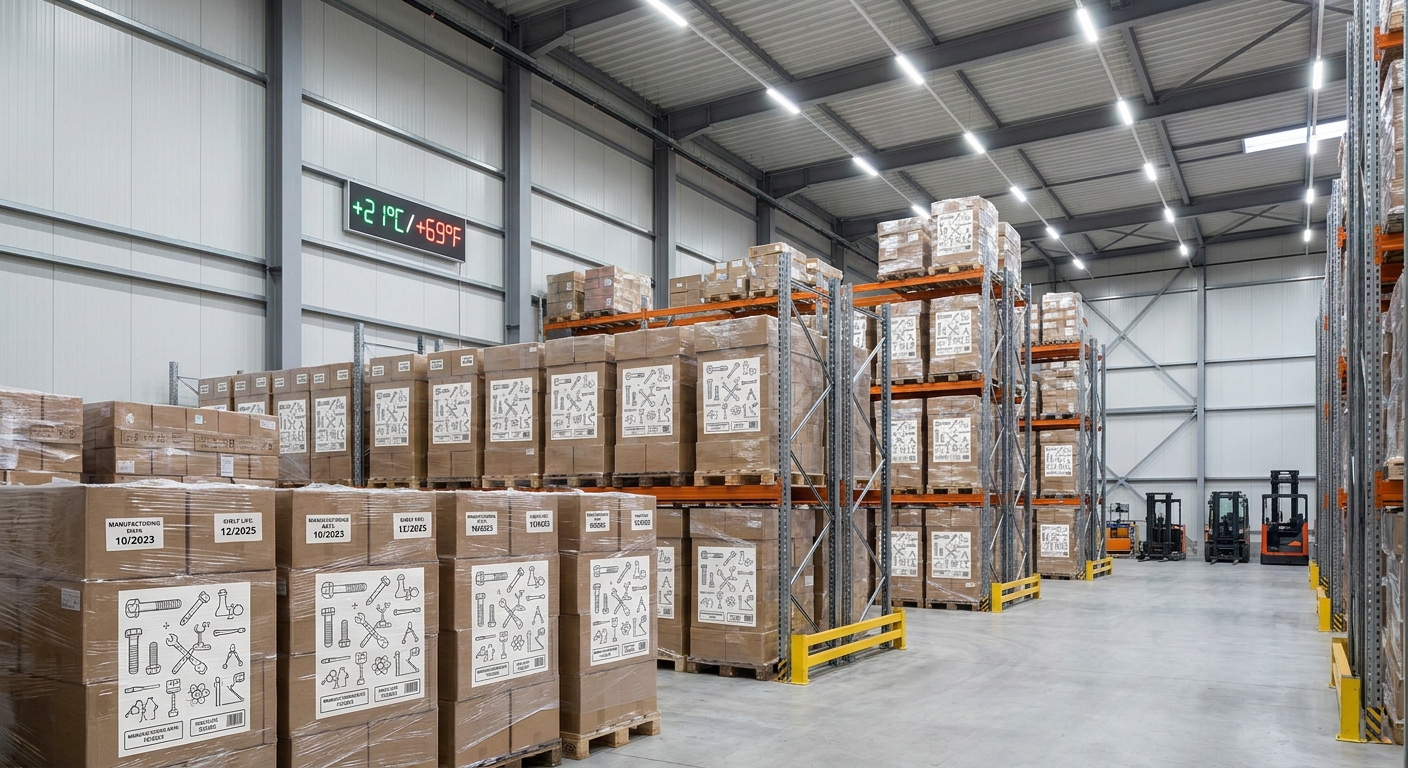
Standard chemical resin capsules have a guaranteed shelf life of six months when stored in optimal conditions. Managing the shelf life of resin capsules ensures the chemical compounds retain the perfect rigidity and curing properties needed for installation. When you use fresh stock, you ensure that the curing times and final bond strength match the technical specs. Over-aged stock can result in weak anchors that fail under load.
Just as you manage your chemical inventory, you must also monitor your heavy hardware. Investing in high-durability steel conveyor roller setups prevents mechanical downtime while your newly anchored tunnels remain secure. Keeping both your structures and machinery in peak condition ensures long-term profitability. This balanced approach is what separates top-tier operators from the rest.
How long does polyester resin remain active?
Polyester compounds are highly active and degrade if left unused for too long. Why does this matter?
- Six-month active window: Retains complete chemical reactivity and physical stiffness.
- Stiffness preservation: Ensures easy insertion into long, overhead boreholes.
- Predictable cure times: Maintains precise gelation speeds within expiration dates.
You should strictly follow a first-in, first-out inventory model. This simple warehouse policy guarantees that older boxes are used before their active properties begin to degrade.
What signs indicate expired cartridge gel?
Identifying expired chemical compounds is vital to keeping your roof support system strong. Watch out for this:
- Loss of body firmness: Cartridge becomes soft, gummy, or structurally weak.
- Extended curing times: Chemical compound fails to harden within standard limits.
- Separation of liquids: Liquid resin bleeds through the outer film.
If you notice any of these signs, discard the box immediately to prevent installation failures. Using degraded gel compromises your team’s safety and risks localized roof falls. Key Takeaway: Using chemical anchor cartridges within their designated six-month shelf life guarantees reliable chemical curing and maximum holding capacity.
| Product Age Status | Physical Cartridge Condition | Chemical Reaction Performance | Recommendation | |
|---|---|---|---|---|
| 0 — 6 Months | Rigid, firm, flexible | Predictable, high-strength curing | Fully approved for site use | |
| 6 — 9 Months | Minor softening possible | Marginally slower curing speeds | Test before applying load | |
| Over 9 Months | Soft, sticky, liquid leaks | Unpredictable, incomplete cure | Reject and discard immediately |
Regularly auditing your chemical inventory ensures that only active, high-strength compounds reach the underground face.
How to safely store your resin capsules?
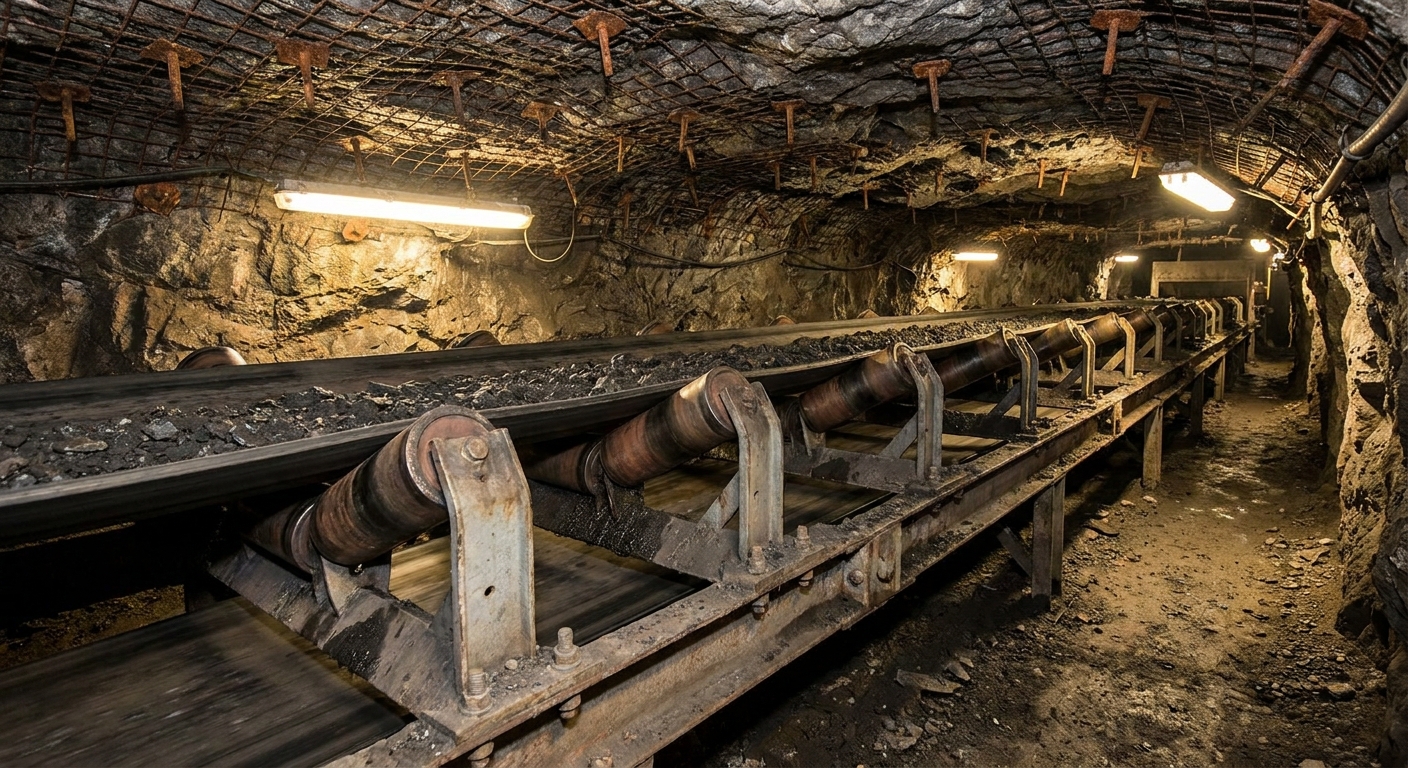
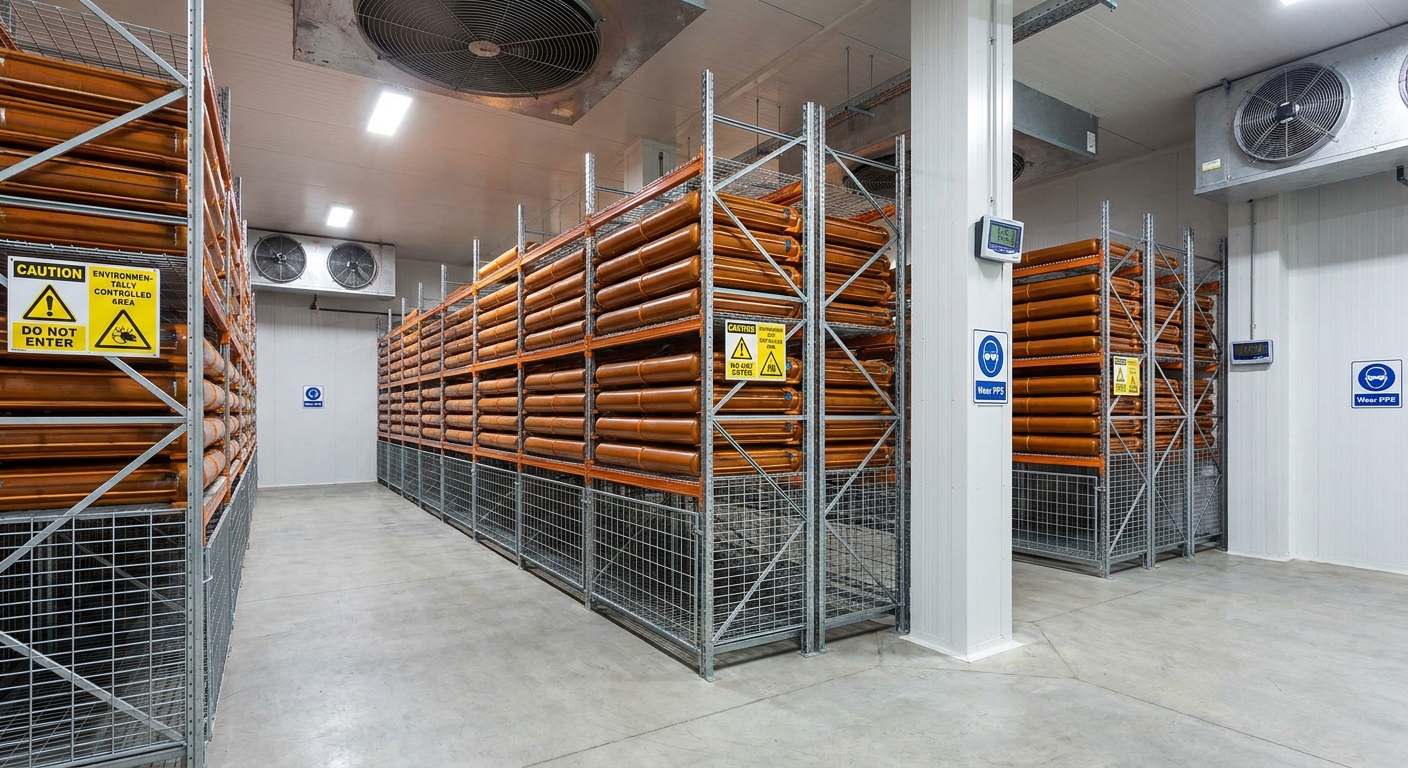
You must store resin capsules in a cool, well-ventilated warehouse away from direct sunlight, open flames, or extreme heat sources. Storing your high-strength resin capsules below 25°C prevents premature chemical hardening and ensures safety compliance. If you let the storage temperature rise too high, the mastic inside can begin to cross-link on its own. This ruins the product before it even reaches the borehole.
In addition to storing chemicals safely, you must also maintain your underground transport networks. For example, keeping your heavy-duty impact roller stations clean and properly aligned prevents conveyor belt wear beneath your newly secured tunnels. A well-maintained tunnel and conveyor system work together to ensure maximum daily output. This coordination is essential for safe, modern mining operations.
Where should underground stock be stored?
Underground storage requires extra care due to humidity and ventilation challenges. Pay close attention here:
- Return air airways: Store underground stock exclusively in return air runs.
- Elevated storage bays: Keep boxes off wet floors using dry wooden pallets.
- Protected storage niches: Avoid heavy traffic areas where vehicles could crush boxes.
By keeping your cartridges in well-ventilated, dry locations, you prevent moisture damage to the packaging. This ensures the cartridges remain rigid enough for easy insertion into overhead holes.
Does direct sunlight damage chemical agents?
Direct exposure to UV rays and heat will rapidly ruin your chemical investment. The answer is simple:
- UV film damage: Breaks down the protective polyester outer film.
- Accelerated chemical aging: Heat triggers cross-linking, ruining the shelf life.
- Uncontrolled curing speeds: Causes unpredictable curing, leading to anchor failure.
You should always transport cartridges in their original closed boxes to block out sunlight. This basic safety rule protects the active agents until the very moment they are mixed. Key Takeaway: Following strict surface and underground storage guidelines prevents premature product aging and ensures high-performance anchoring during installation.
| Storage Location | Ideal Temp Range | Moisture Control | Operational Safety Rule | |
|---|---|---|---|---|
| Surface Warehouse | 5°C — 20°C | Cool and dry environment | Store away from all heat and ignition sources | |
| Underground Bay | <25°C | Well-ventilated niche | Store exclusively in return air currents | |
| Active Face Area | Ambient Temp | Keep inside original boxes | Limit to quantities needed for immediate shift |
Implementing temperature controls in storage areas maintains the chemical stability and physical properties of polyester polymers.
How to safely install mining resin capsules?
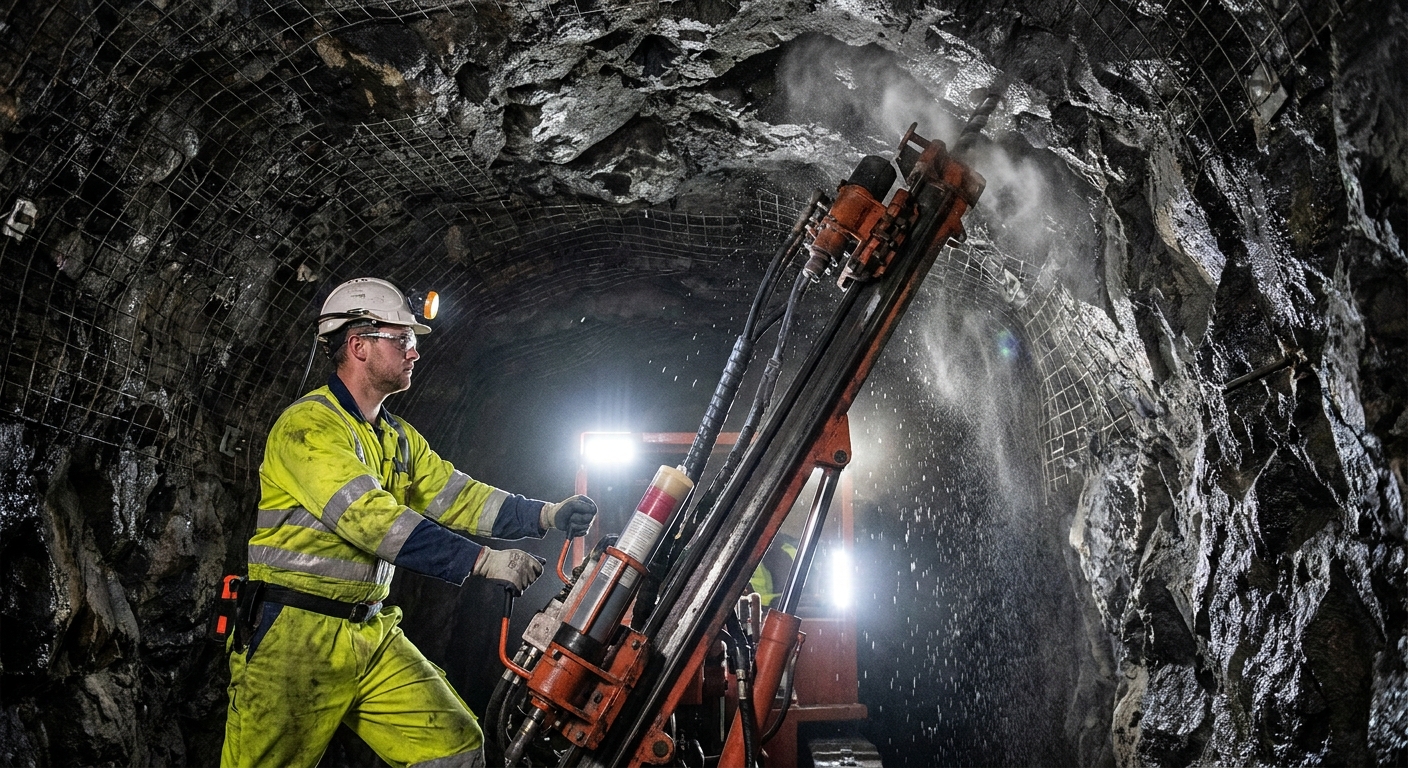
Safely installing mining resin capsules requires inserting the correct speed cartridges into a clean borehole, driving the bolt home while spinning, and holding it steady until cured. Regular training on the installation of resin capsules ensures rock bolts reach full load capacity while keeping workers safe. When you mix the compounds thoroughly, you create a seamless chemical bond along the rebar. This bond is what holds the heavy rock layers in place.
To support this process, you must keep all your underground machinery working smoothly. High-capacity conveyor rollers are critical for moving excavated material quickly once your structural bolting is complete. Ensuring that both ground support and haulage networks are highly efficient keeps your mine highly competitive. This dual focus keeps your operations safe and highly profitable.
What are the key steps in underground installation?
Following a precise installation sequence is the only way to guarantee a reliable cure. Follow these steps precisely:
- Clean the hole: Blow out dust, water, and loose rock debris.
- Insert chemical cartridge: Push the cartridge slowly to the back of the hole.
- Spin and drive: Spin the bolt rapidly to mix the chemical components.
- Hold and set: Hold the bolt steady until the fast-setting resin cures.
You must never over-spin the bolt, as this can break the curing polymer chains and ruin the anchor’s hold. Stop spinning immediately once the recommended mix time is reached.
How to conduct a site safety risk assessment?
Before starting any bolting cycle, you must verify the safety of your immediate work area. Do not skip this:
- Inspect the product: Check the manufacture dates and box condition before use.
- Check safety gear: Wear appropriate chemical gloves and safety glasses.
- Verify roof conditions: Ensure the work area is fully supported before installing bolts.
By conducting a thorough assessment, you eliminate preventable hazards and ensure a smooth installation process. This keeps your crew safe and maintains high quality-control standards across the mine. Key Takeaway: Following correct mixing times and hold-duration steps guarantees optimal chemical curing and high-strength anchorage.
| Installation Step | Required Mechanical Tooling | Operational Action | Critical Quality Control Metric | |
|---|---|---|---|---|
| Hole Preparation | Drilling rig and air/water flush | Clean out dust and debris | Hole must match bolt diameter specifications | |
| Capsule Insertion | Manual or push rod tool | Push chemical cartridges to back | Avoid tearing film during insertion | |
| Mixing Phase | Bolting machine spinner | Spin bolt while driving upward | Stop spinning immediately once mix time ends | |
| Tensioning Phase | Impact wrench or hydraulic tensioner | Apply specified torque after curing | Hold steady until chemical hardens completely |
Adhering strictly to these preparation and mixing protocols prevents localized structural failures and maximizes bolt load performance.
Are resin capsules ideal for your project?

Yes, resin capsules are ideal for your project because they provide fast geological support, high load capacities, and reliable corrosion protection for heavy-duty anchoring. Assessing the geology and project requirements helps engineers select the right resin capsules for long-term safety and performance. When you face unstable or wet ground conditions, chemical anchors outperform mechanical alternatives by a wide margin. They provide an airtight seal that stops environmental degradation.
For over a decade, we have been helping mines and civil projects optimize their structures and transport systems. To learn more about our company and manufacturing standards, you can read our about-us page to see how we deliver reliable industrial products. Partnering with a proven supplier ensures you get consistent quality on every single order. This is the foundation of structural safety and project success.
Can I use these cartridges in wet environments?
Wet geological conditions can make standard cement grouts weak and ineffective. Absolutely:
- Water washout resistance: Polyester chemical compounds do not dissolve in water.
- Excellent corrosion seal: Completely seals the borehole to stop acid water attacks.
- Firm rock bonding: Bonds securely to wet rock when the hole is flushed.
This means you can successfully stabilize wet and water-bearing strata without worrying about chemical washout. The cured polyester provides a long-term barrier against acidic mine water.
What’s the best way to handle chemical contact?
Safety must remain your top priority when handling uncured chemical compounds. Safety first:
- Use personal protective equipment: Wear safety glasses and chemical-resistant gloves.
- Flush skin contact: Wash skin immediately with plenty of soap and water.
- Follow safety sheets: Follow manufacturer chemical safety guidelines for disposal.
By enforcing these basic safety rules, you protect your crew from chemical exposure during handling. It ensures your operations remain fully compliant with industrial health and safety standards. Key Takeaway: High-strength chemical cartridges provide reliable, fast support in tough underground conditions, making them a top choice for mining and tunneling ground control.
| Anchor Aspect | Chemical Cartridge Performance | Operational Advantage | Long-Term Project Value | |
|---|---|---|---|---|
| Strata Adaptability | Bonds in wet, dry, or fractured rock | Solves diverse geological problems | Eliminates need for multiple anchor styles | |
| Corrosion Defense | Encapsulates steel rebar completely | Prevents rust and acid water damage | Extends underground lifespan of tunnels | |
| Load Timing | Reaches ultimate strength in minutes | Minimizes immediate roof movements | Decreases overall structural risk profiles |
This comparison summarizes why polyester-based cartridges represent the gold standard for high-risk tunneling and mining projects.
Securing Your Underground Infrastructure
Underground operations should never have to compromise on safety due to unreliable roof supports or structural slippage. By replacing weak mechanical fasteners with high-strength chemical anchoring, you eliminate the risk of dynamic rock shifts and costly operational delays. We are dedicated to fortifying your mines and tunnels with field-proven ground support hardware and heavy-duty transport systems engineered for the harshest environments. Let us help you secure your underground assets with custom specifications and reliable materials that keep your workforce safe and your production moving. To take the next step towards absolute roof stability and peak operational efficiency, we invite you to partner with Yongduo Roller today.
Frequently Asked Questions
Can I use these chemical cartridges in extremely cold temperatures?
Yes, you can. Lower temperatures slow down the chemical reaction, which extends the gel and cure times. In cold conditions, keep the cartridges in a warm area before use and spin the bolt longer to ensure a complete, high-strength cure.
What’s the best way to prevent chemical waste on site?
Absolutely, it is to match your cartridge volume precisely to your borehole size. Ensure the drill bit matches the target borehole diameter, and order custom capsule lengths that fit your rock bolt specifications perfectly.
How do I know if the chemical compound has fully cured?
Indeed, you can confirm this when the rock bolt resists turning and holds its torque during tensioning. Additionally, check that the chemical color matches the speed specifications on the box and has hardened completely.
Can I customize the length of the capsules for special projects?
Yes, we do offer this service. We manufacture customized cartridge lengths up to 2400mm to match your specific rock bolting patterns, helping you reduce waste and optimize ground support on-site.