
Resin anchored rock bolt creep should be evaluated through time-dependent displacement and load records after the anchoring system has cured. A satisfactory initial reading cannot describe later behavior. Procurement needs evidence covering the sustained-load question actually faced underground. Published US coal-mine research examined load shedding over time. A resin anchored rock bolt creep review should distinguish material behavior, interface movement, and measurement effects before assigning a cause.
1. What does resin anchored rock bolt creep describe?
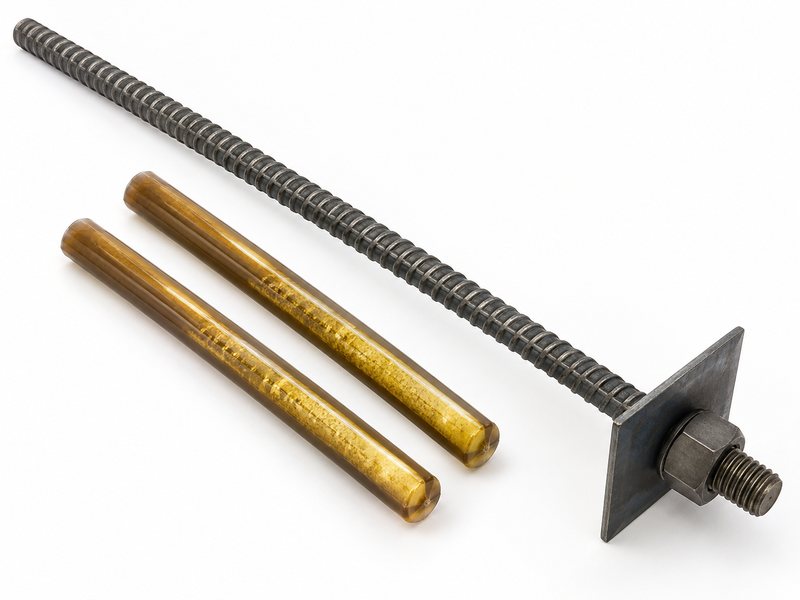
Resin anchored rock bolt creep describes a time-dependent response under a sustained loading condition. Reports may track displacement growth, load loss, or both. Those quantities answer different questions. Define the controlled variable before interpreting a curve or comparing two products.
Why does terminology need care?
A constant-load test observes displacement while maintaining a load target. A constrained or tensioned assembly may instead show load change over time. Reports sometimes group these responses under creep. Ask what equipment controlled and what instruments measured before accepting that label.
- Identify the controlled loading condition.
- Name each measured response and its units.
- State when the observation period begins.
Define the measured behavior. Have your engineer translate a supplier's terminology into a clear test question.
Which response are you reviewing?
| Recorded response | Question addressed |
|---|---|
| Displacement over time | Does measured movement continue under stated load? |
| Load over time | Does measured force change under stated restraint? |
| Both responses | How do force and movement develop together? |
A useful definition prevents two different test arrangements from appearing equivalent merely because both reports mention creep. Include those definitions in the purchasing specification so future evidence requests continue asking the same technical question.
2. Which parts can contribute to measured movement?
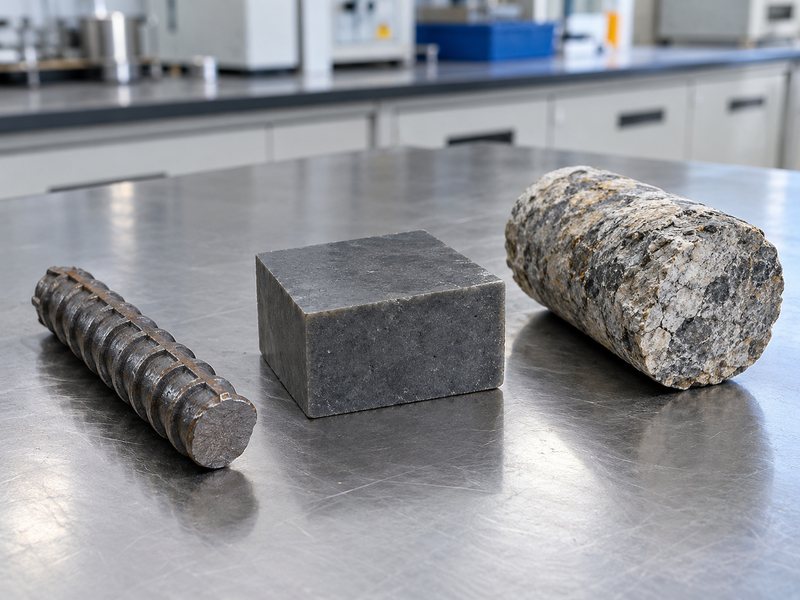
Measured movement can contain contributions from steel, resin, interfaces, head assembly, and test equipment. A system-level displacement cannot automatically be assigned entirely to resin. Identify where instruments sit and which distances they span. This boundary determines what a recorded reading actually includes.
How should the assembly boundary be drawn?
Sketch the load path and measurement references. Include associated support components where their movement enters the reading. Distinguish a free bar length from an anchored region. A report that omits these details leaves several explanations unresolved.
- Identify measured and unmeasured lengths.
- Record reference points and fixture contacts.
- Describe each interface within the measurement span.
Locate the measurement boundary. Request an annotated setup drawing before comparing displacement results.
Which contribution requires clarification?
| Contribution | Evidence needed |
|---|---|
| Bar extension | Relevant measured length and strain information |
| Interface movement | Observation or instrumentation across that interface |
| Fixture movement | Setup characterization and reference stability |
The same displacement value can have different meanings when instrument positions or included components differ between setups. If a measurement spans several interfaces, its result should retain that combined scope throughout interpretation and reporting.
3. How is load shedding different from displacement growth?

Load shedding describes declining measured force, while displacement growth describes increasing measured movement. A resin bolt time-response study should not treat those observations as interchangeable. US resin-bolt time-response research used dedicated load measurements to investigate axial load shedding. Its observations do not create a universal acceptable loss for other systems.
What should your report explain?
Request the control mode, restraint conditions, and sensor locations. Ask whether force was actively maintained or allowed to change. Identify seating or equipment adjustments during observation. A step in a record may reflect an intervention rather than gradual material behavior.
- Separate force and displacement channels.
- Identify adjustments and interruptions.
- Preserve the full observation record.
Read both axes and the control mode. Ask reviewers which physical interpretation each measured change can support.
Which observation supports which conclusion?
| Observation | Bounded interpretation |
|---|---|
| Declining force | Load changed within stated restraint conditions |
| Increasing movement | Displacement changed within stated control conditions |
| Sudden step | Event requiring record and setup review |
Avoid describing an unexplained change as resin creep until alternative system and measurement contributions have been examined. Where force and displacement were not recorded together, identify which interpretations remain unavailable from the existing evidence.
4. Why can head seating affect early readings?
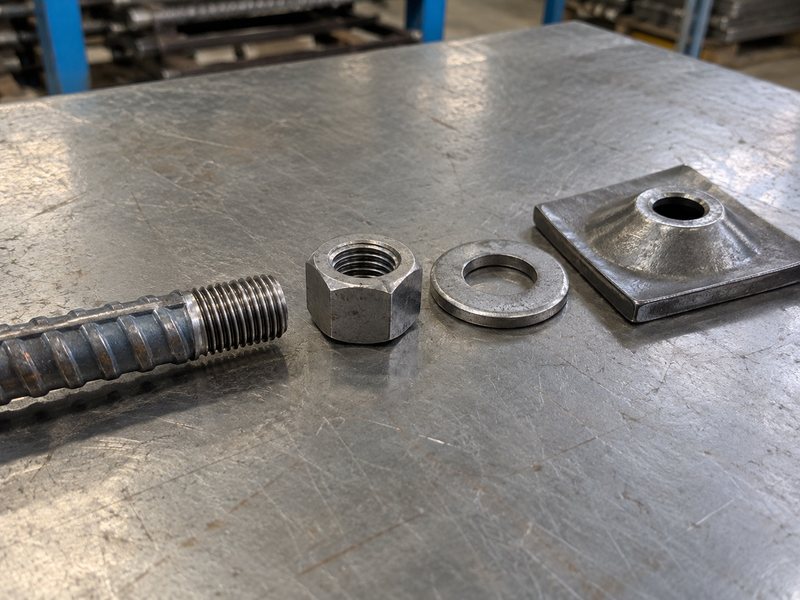
Head seating can affect early readings when contacting components settle or change alignment under load. That behavior may enter a system measurement even after resin cure. Define how the test treats initial seating. Do not select an arbitrary time window merely because it removes an inconvenient part of a record.
Which contacts should reviewers identify?
Document nut, washer, plate, sensor, and fixture contacts where applicable. A bearing plate review should establish component identity before discussing movement. Ask whether the report separates loading, stabilization, and observation periods. Each reported interval should have an explicit basis.
- Record contact arrangement and alignment.
- Identify the stated observation start.
- Preserve early data alongside later trends.
Keep the opening readings. Let engineering explain whether seating affected interpretation rather than silently discarding evidence.
Which setup detail changes interpretation?
| Detail | Reason for recording |
|---|---|
| Contact arrangement | Defines included seating interfaces |
| Observation start | Defines reported time origin |
| Adjustment record | Explains interrupted or shifted readings |
A documented start condition makes later comparisons more credible without pretending that every early movement has one cause. Any excluded interval should retain its original data and a documented reason for separate treatment during analysis.
5. Which environmental conditions belong in the record?
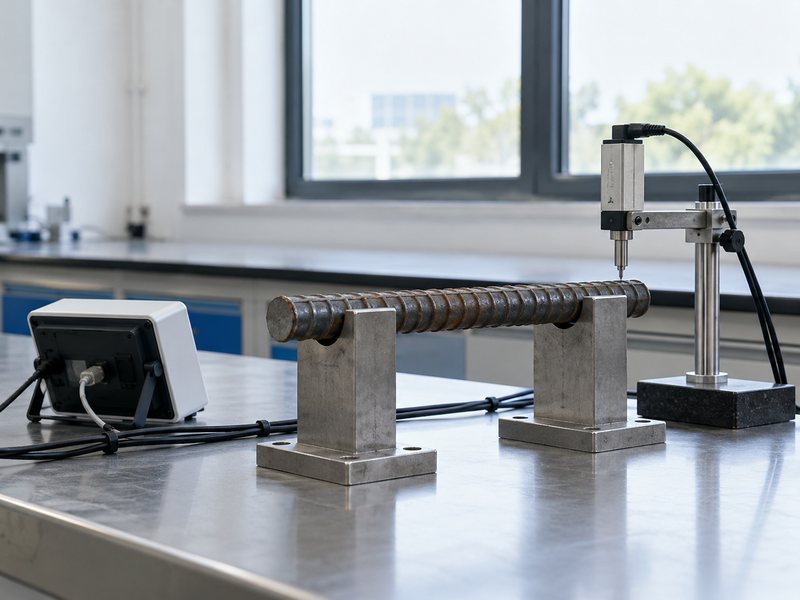
Environmental conditions belong in the record when they could affect specimens or measurement stability. A resin anchorage review should identify recorded temperature and relevant exposure conditions. Laboratory conditions may differ from underground service. Do not extrapolate a result to untested environments without an engineering basis.
How should environmental uncertainty be handled?
Ask which conditions were controlled and which were only observed. Record excursions and missing intervals. Identify whether sensors and specimen experienced comparable conditions. A stable room reading may not describe every part of a large assembly.
- Describe relevant exposure and monitoring locations.
- Retain environmental changes with time records.
- Identify unrepresented service conditions.
Keep environment beside response. Ask whether apparent drift coincides with a recorded environmental or equipment change.
Which environmental statement is defensible?
| Record | Supported statement |
|---|---|
| Controlled condition | Maintained within the documented test scope |
| Observed condition | Recorded at a named location |
| Unmeasured condition | Remains an interpretation limit |
Missing environmental evidence should narrow a conclusion rather than become an assumption that all relevant conditions remained constant. Check whether environmental changes affected reference supports or instrumentation as well as the anchored specimen itself.
6. How should instrumentation evidence be assessed?
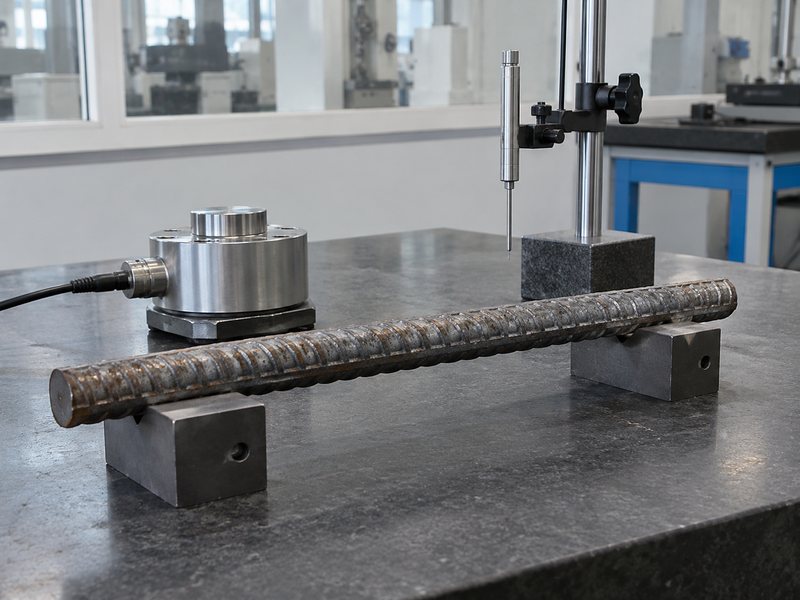
Instrumentation evidence should show that sensors and reference points can resolve the response being discussed. A changing signal may include drift, movement, or a combination. Calibration records alone cannot establish reference stability throughout a long observation. Review setup integrity alongside instrument identity.
What should a technical submission contain?
Ask for sensor type, range, reference arrangement, and relevant instrument checks. Identify data acquisition intervals and interruption handling. Keep raw records available when processed plots omit detail. An engineer should decide whether uncertainty permits the proposed conclusion.
- Identify each channel and reference point.
- Describe relevant checks and maintenance events.
- Preserve raw and processed data relationships.
Question the reference as well as the sensor. Request an uncertainty discussion proportionate to the measured changes.
Which instrument detail serves which purpose?
| Detail | Review purpose |
|---|---|
| Sensor identity | Connects readings with instrument evidence |
| Reference arrangement | Defines what movement enters a reading |
| Processing method | Explains how reported trends were derived |
A smooth plot should not conceal gaps, reference changes, or processing choices that influence the reported time-dependent response. Record instrument replacements as discontinuities requiring review rather than joining their readings without an explained method.
7. Can a short observation establish long-term behavior?
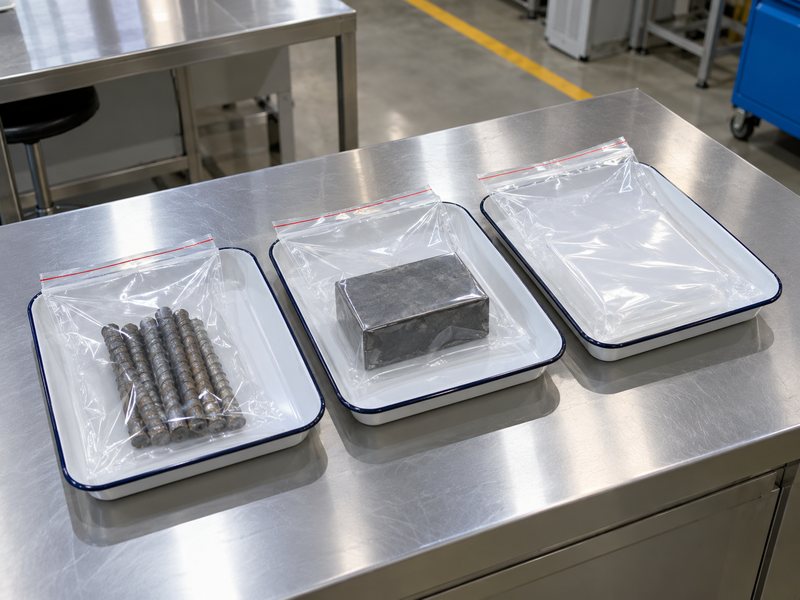
A short observation establishes behavior only within its measured duration and conditions. A resin bolt sustained-load claim requires a stated basis for any longer-term interpretation. Extrapolation adds assumptions beyond direct observation. It cannot establish an unverified product lifetime by itself.
What should extrapolation disclose?
Request the selected model, data interval, and validation basis. Ask why alternative interpretations were excluded. Identify whether the model addresses material response or an entire anchored assembly. Keep prediction uncertainty visible when evidence does not cover the intended duration.
- Distinguish measured duration from predicted duration.
- Identify model assumptions and fitting interval.
- Avoid unsupported service-life claims.
Separate observation from projection. Have engineering approve any extrapolation used for a procurement or design decision.
Which time claim needs which support?
| Claim | Evidence boundary |
|---|---|
| Observed response | Recorded interval and conditions |
| Fitted trend | Model and selected data |
| Long-term suitability | Application-specific engineering justification |
A longer projected timeline does not increase the duration actually observed or remove uncertainty about different service conditions. A fitted model should retain its stated domain so later readers cannot mistake extrapolated behavior for direct observation.
8. How do you compare two sustained-load reports?
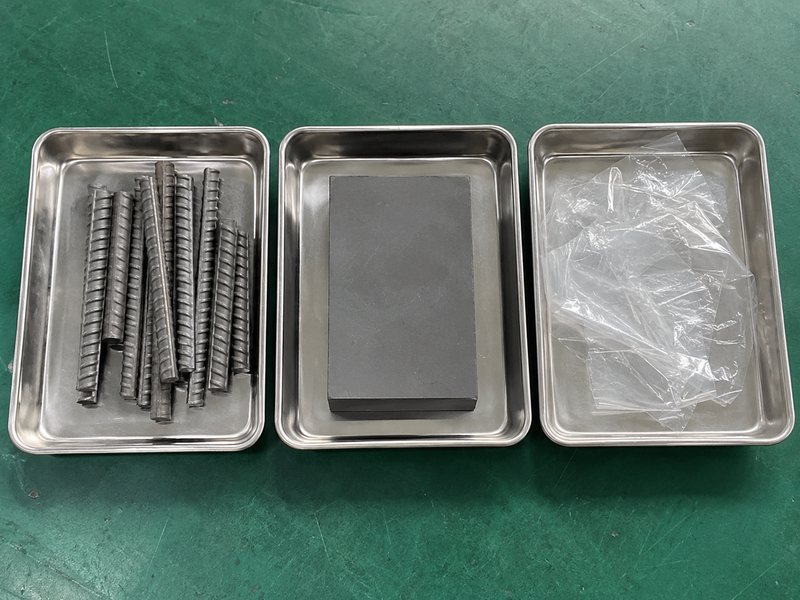
Compare sustained-load reports by matching control mode, specimen, measurement span, environment, and duration. Similar reported percentages can conceal different denominators or reference times. Define those details before ranking results. Where setups differ, engineering should explain whether a meaningful comparison remains possible.
Which differences deserve a comparison note?
Record assembly geometry, anchorage condition, and loading history. Identify whether reported values include initial loading or seating. Keep material-only studies separate from full-assembly evidence. A favorable result from one test class may not answer another class's question.
- Reconcile units and reference definitions.
- Compare specimen and setup boundaries.
- List material differences before ranking results.
Match the question before the number. Use a comparison sheet that preserves incompatible conditions rather than averaging them away.
What should your comparison sheet contain?
| Comparison item | Why it matters |
|---|---|
| Control and reference definitions | Establishes meaning of reported change |
| Assembly and environment | Defines represented conditions |
| Duration and interventions | Establishes observation coverage |
Leave a comparison unresolved when different methods prevent a defensible interpretation of relative performance. When conditions differ, preserve side-by-side descriptions instead of reducing incompatible results into one apparent performance score.
9. What should procurement request for creep evidence?
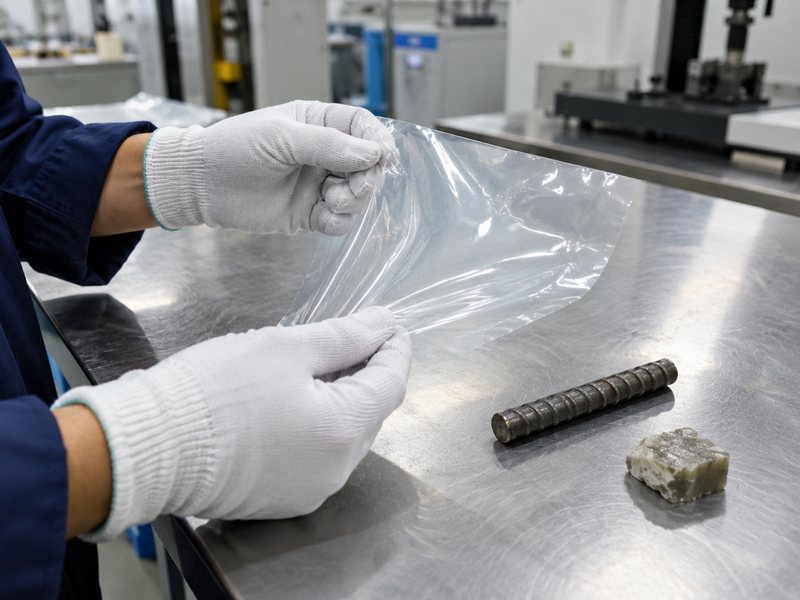
Procurement should request product-specific evidence addressing the intended sustained-load duty. A resin bolt inquiry should identify assembly, conditions, and required report scope. Avoid asking suppliers for a universal creep-free guarantee. Such language hides the test question instead of defining it.
How should evidence gaps be handled?
Require suppliers to identify untested differences between their reports and your application. Ask engineering which gaps require further evaluation. Keep technical acceptance separate from commercial availability. A quotation or generic brochure cannot close a missing evidence requirement.
- State the required sustained-load question.
- Request setup and raw-record descriptions.
- Identify reviewer and acceptance responsibility.
Specify the evidence package. Make any conditional approval explicit before a purchase order treats the product as fully qualified.
Which requested item supports acceptance?
| Requested item | Decision purpose |
|---|---|
| Product and assembly identity | Connects evidence with proposed goods |
| Test conditions and duration | Defines applicability |
| Limitations and uncertainty | Identifies remaining engineering work |
A useful supplier response explains where its evidence ends as clearly as where it supports the proposed assembly. Request the actual report scope when an evidence summary omits conditions needed for your engineer’s applicability assessment.
10. How should engineers act on a changing record?
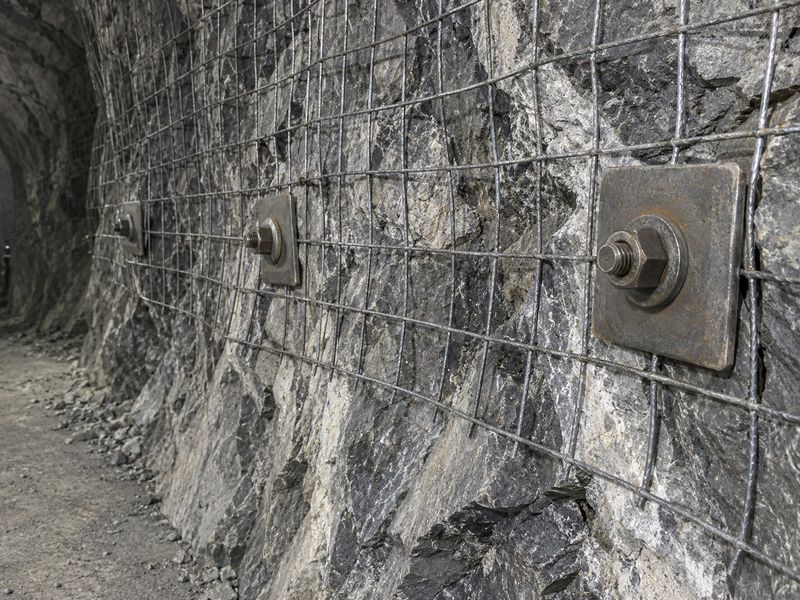
For US underground coal mines, assess changing records alongside instrument checks and applicable roof-control plan requirements. No universal trigger can be derived from this guide. Separate immediate operational decisions from a later mechanism investigation. Preserve records before adjusting or replacing monitoring equipment.
What should the follow-up record explain?
Identify who reviewed the change, what supporting observations were available, and which uncertainty remains. Record any instrument intervention and its timing. Connect further testing with an explicit question. Procurement can then request evidence without presuming that every observed change originated in resin.
- Review site conditions through responsible personnel.
- Verify measurement integrity and continuity.
- Assign the next evidence-gathering action.
| Closure check | Action to retain |
|---|---|
| 1 | Review site conditions through responsible personnel. |
| 2 | Verify measurement integrity and continuity. |
| 3 | Assign the next evidence-gathering action. |
Act through the approved review process. Share your assembly and sustained-load evidence requirements when you contact us. Ask for product-specific documents before accepting a long-term performance claim.
Q1: Does load loss always mean resin creep?
No. Seating, interface movement, restraint conditions, and instrumentation can contribute. Review the complete setup before assigning a mechanism.
Q2: Can an initial strength result replace creep evidence?
No. An initial loading result does not describe a time-dependent response under sustained conditions.
Q3: What is the best way to compare creep reports?
Match control mode, references, specimen, conditions, and duration before comparing reported changes.
Q4: Can a short test prove decades of service?
No. Longer-term interpretation requires explicit assumptions, relevant evidence, and application-specific engineering review.
Q5: Should a purchasing specification demand zero creep?
Define a measurable evidence requirement instead. Responsible engineers should set applicable acceptance criteria for the actual support duty.