
HDPE and UHMW-PE conveyor rollers should be compared by specified polymer grade, assembly construction and actual operating duty. A quote describing every plastic roller as HDPE can leave material properties and replacement fit unclear. When evaluating hdpe conveyor rollers against a UHMW-PE alternative, request separate construction details. Similar appearance does not establish equivalent load performance, wear behavior or temperature suitability.
1. Are HDPE conveyor rollers the same as UHMW-PE rollers?
No, hdpe conveyor rollers and UHMW-PE rollers should not be treated as identical material specifications. Both belong to polyethylene families, but molecular structure and grade influence properties and processing. The supplied assembly also determines performance beyond its polymer surface.
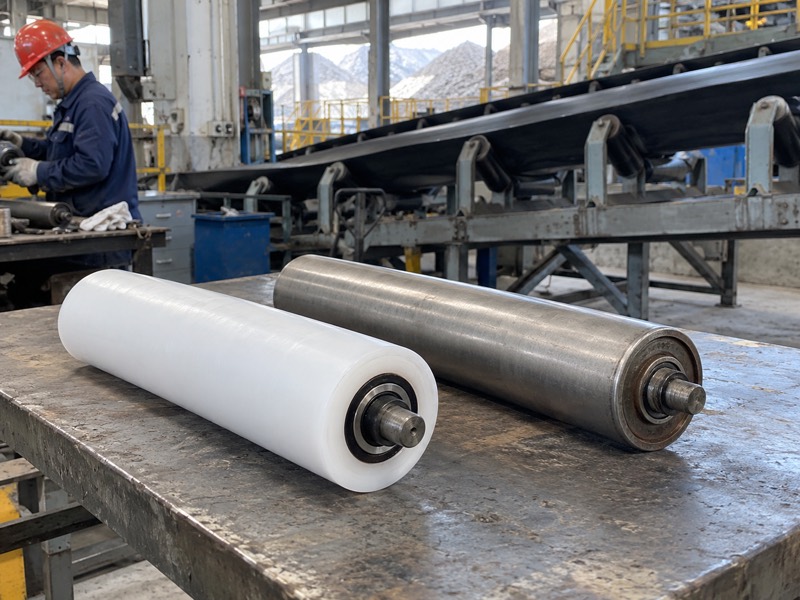
Clarify material names at quotation stage
Ask what each name describes. A supplier may use a general plastic label in a product category while a technical proposal specifies something narrower. Request exact material wording for the shell and any other polymer parts. Keep resin identification separate from construction, because wall geometry and end support also influence behavior.
- Request the proposed shell grade in writing.
- Identify additives when they affect required properties.
- Ask whether all quoted variants use identical construction.
Keep technical comparisons traceable
Descriptions such as low friction or wear resistant need relevant conditions before they can support purchasing decisions. Material properties do not automatically become complete-roller ratings. Your engineering review should connect grade information with actual component dimensions and duty.
| Description | Clarification needed | Decision supported |
|---|---|---|
| HDPE | Exact grade and construction | Material approval |
| UHMW-PE | Exact grade and construction | Alternative review |
| Plastic roller | Complete specification | Quote clarification |
Resolve naming differences before comparing supplier claims. Key Takeaway: Treat HDPE and UHMW-PE as separate specifications until technical evidence establishes relevant equivalence.
2. Which construction details change roller performance?
Construction changes performance when hdpe conveyor rollers use different shell dimensions, end connections, shafts or bearing housings. Polymer name alone cannot describe stiffness or installed stability. Request a section drawing that explains how belt loads reach frame supports.
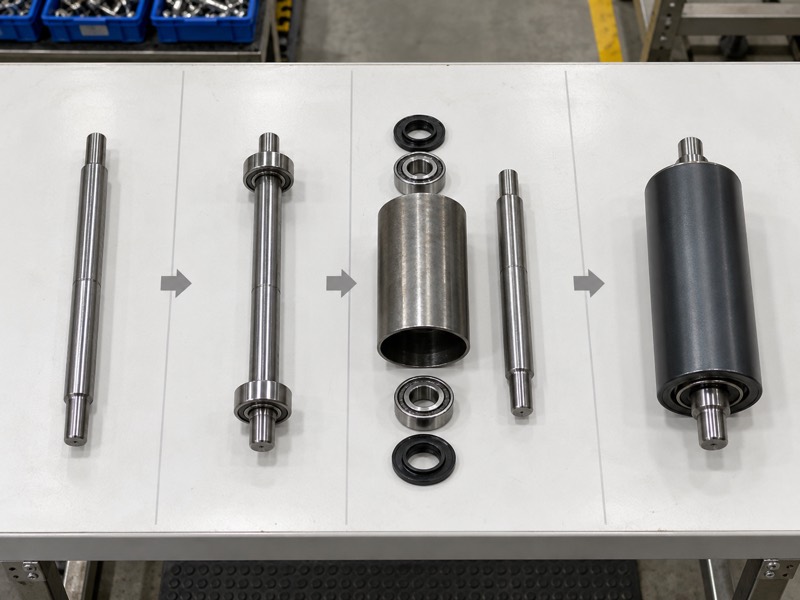
Inspect the complete load path
Review components together. A thick shell with weak end attachment can behave differently from another assembly using a similar material. Shaft span, bearing placement and housing support also matter. Ask how proposed construction accommodates sustained load and temperature changes without assigning an unsupported capacity.
- Record shell outside diameter and working-face length.
- Identify internal support and end attachment methods.
- Confirm shaft dimensions and bearing support positions.
Use your existing drawing as a reference
An approved carrying roller drawing helps define bracket fit and belt-support geometry. Compare proposed construction against those interfaces. Changes that improve one component may require new clearances or revised mounting details elsewhere.
| Construction item | Practical effect | Required review |
|---|---|---|
| Shell geometry | Contact and deformation | Duty-specific approval |
| End connection | Load transfer | Assembly drawing |
| Shaft and housing | Support stability | Fit and load review |
Compare complete constructions rather than isolated resin descriptions. Key Takeaway: Obtain dimensions and end-construction details before judging assembly performance.
3. How should HDPE conveyor rollers be checked for load?
Check hdpe conveyor rollers for expected load, span, temperature and loading duration. Those conditions affect allowable deformation and component stress. A quoted rating should identify its applicable construction and support arrangement.
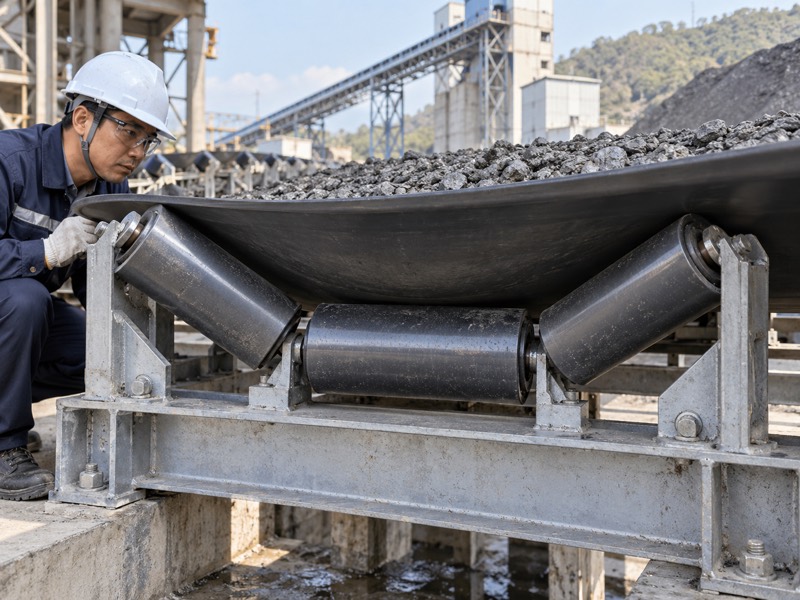
Separate loading situations
Describe steady and exceptional duty. Belt weight and conveyed material form normal carrying loads, while uneven feed or falling lumps introduce different demands. Identify roller spacing and trough geometry where applicable. Loading-zone suitability needs its own review rather than an assumption based on shell material.
- State belt width, speed and intended roller positions.
- Describe maximum operating load and uneven distribution.
- Flag starts, stops and material impact conditions.
Confirm evidence and acceptance criteria
Ask whether capacity comes from calculation, testing or a defined product specification. Review allowable deformation and bearing requirements with a qualified engineer. Where impact dominates, consider approved impact support before selecting a conventional polymer carrying roller.
| Load question | Needed detail | Engineering decision |
|---|---|---|
| Steady carrying duty | Load and spacing | Assembly capacity |
| Sustained stress | Time and temperature | Deformation limits |
| Falling material | Impact description | Support arrangement |
Reject unconditional ratings that omit operating limits. Key Takeaway: Compare HDPE and UHMW-PE under identical loading conditions with stated acceptance criteria.
4. Which temperature and chemical limits matter?
Temperature and chemical limits matter when hdpe conveyor rollers face hot material, washdown, process liquids or outdoor exposure. Polyethylene compatibility varies by grade and exposure conditions. Bearings, lubricant and metal components may impose different assembly limits.
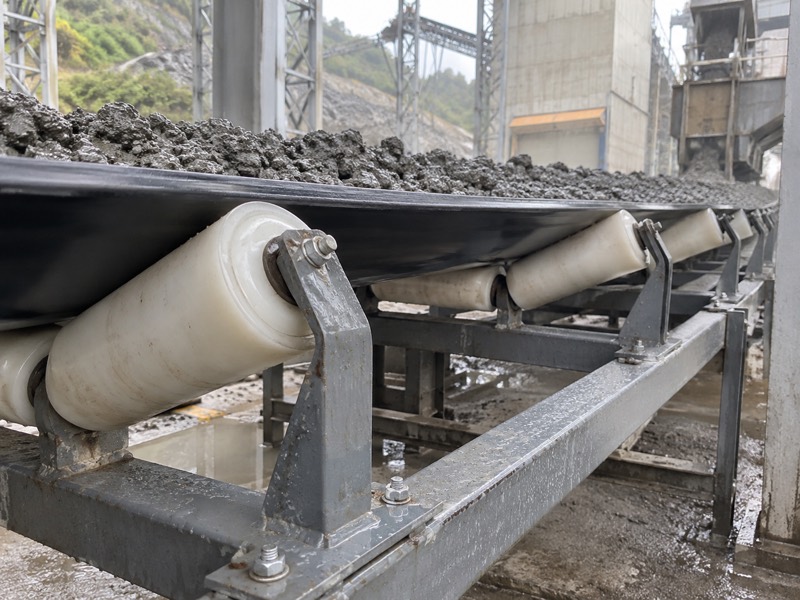
State conditions beyond ambient temperature
Check the local exposure. Hot conveyed material can contact shells even where surrounding air remains cooler. Chemicals may arrive through concentrated splashes or diluted cleaning water. Record temperature, concentration and exposure duration where known, then ask for compatibility confirmation tied to proposed materials.
- Include continuous operation and credible temperature excursions.
- List cleaning agents and process substances contacting components.
- Identify outdoor storage and sunlight exposure.
Review dimensional changes and sealing
Temperature changes can alter polymer dimensions and stiffness. End clearances and attachments should accommodate approved conditions. A chemically compatible shell does not establish water resistance at bearings or corrosion resistance across every metal part.
| Exposure | Needed information | Assembly concern |
|---|---|---|
| Hot material | Contact temperatures | Stiffness and clearance |
| Process liquid | Substance and concentration | Material compatibility |
| Washdown | Method and frequency | Bearing protection |
Confirm restrictions in your order specification instead of relying on general material charts. Key Takeaway: Review chemical and temperature suitability for each exposed assembly component.
5. Can HDPE conveyor rollers and UHMW-PE resist wear equally?
You cannot assume equal wear performance from hdpe conveyor rollers and UHMW-PE alternatives. Grade, surface geometry, abrasive material and operating conditions affect results. Material comparisons should identify their test conditions and practical limits.
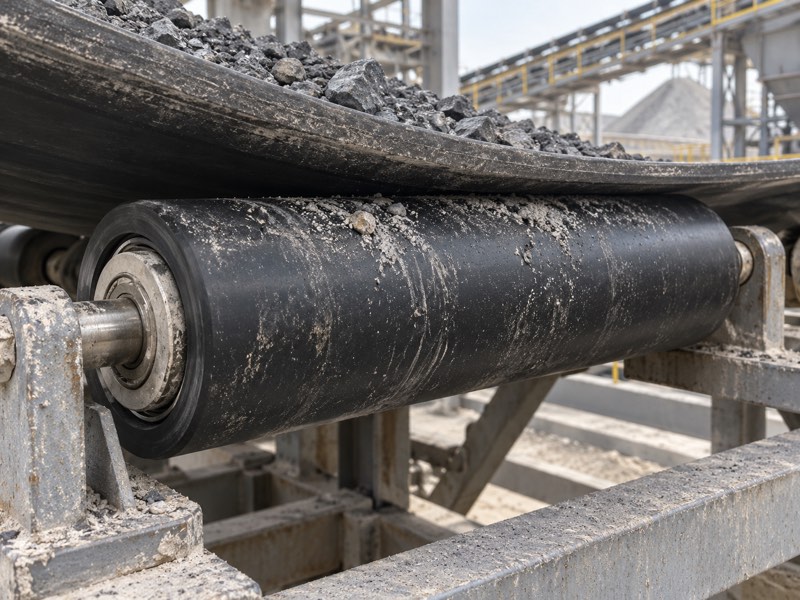
Inspect the actual wear mechanism
Identify what damages your current rollers. Abrasive particles, belt contact, embedded debris and contamination around end housings create different wear patterns. Describe those patterns before requesting an alternative. A laboratory material result may help screening, but it cannot reproduce every conveyor exposure.
- Photograph grooves, local thinning and embedded particles.
- Record material size, moisture and contact conditions.
- Inspect belt covers for matching wear marks.
Compare surfaces under relevant duty
A field trial should monitor shell shape and belt condition using consistent inspection locations. Where carryback drives damage, review upstream cleaning and return support at the same time. Shell substitutions alone may leave the original cause unchanged.
| Wear pattern | Investigation | Candidate comparison |
|---|---|---|
| Surface scoring | Abrasive contact | Relevant material response |
| Local wear bands | Contact geometry | Support and alignment |
| End contamination | Carryback and seals | Complete assembly design |
Use observed failure mechanisms to select meaningful comparison criteria. Key Takeaway: Compare wear under relevant conditions without promising universal material rankings or service-life ratios.
6. What should you verify about bearings and seals?
Verify bearings and seals on hdpe conveyor rollers against load, speed and contamination exposure. A polymer shell does not establish complete assembly reliability. End housings, shaft interfaces and installation methods can affect protection and rotational condition.
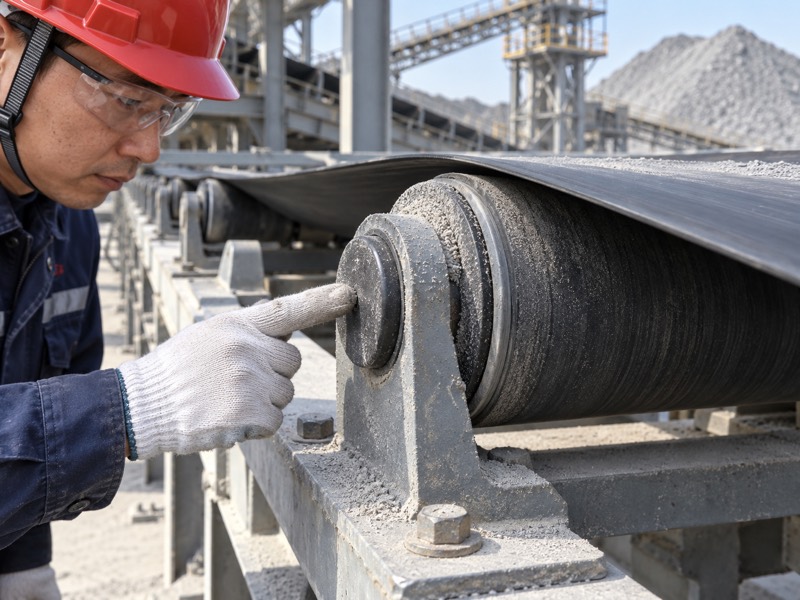
Request a complete end specification
Look past the bearing code. Bearing identification helps establish one component, but seal geometry controls how contamination approaches it. Ask for end-construction drawings and maintenance instructions. Clarify whether proposed rollers permit servicing or require assembly replacement after an internal fault.
- Describe dust, direct spray and moisture exposure.
- Request lubrication and storage requirements.
- Identify approved methods for installation and removal.
Check the installed sample
Correct bracket seating should preserve free rotation and retention. Forced installation or distorted housings can introduce problems absent during bench inspection. Record sample behavior before and after mounting under an approved procedure, then investigate differences before wider release. Before contact work, follow site-approved lockout/tagout and control stored energy.
| Check | Purpose | Acceptance basis |
|---|---|---|
| Bearing identification | Component suitability | Approved specification |
| Seal construction | Contamination control | Duty review |
| Trial installation | Assembly fit | No forcing or binding |
Review end components as part of technical approval rather than an optional accessory discussion. Key Takeaway: Compare bearing protection and installed behavior alongside polymer properties.
7. Are HDPE conveyor rollers automatically antistatic?
No, hdpe conveyor rollers should not automatically be regarded as antistatic, conductive or suitable for hazardous service. Ordinary polyethylene does not establish those properties. Product-specific evidence and an installation review are required where your site specifies electrical behavior.
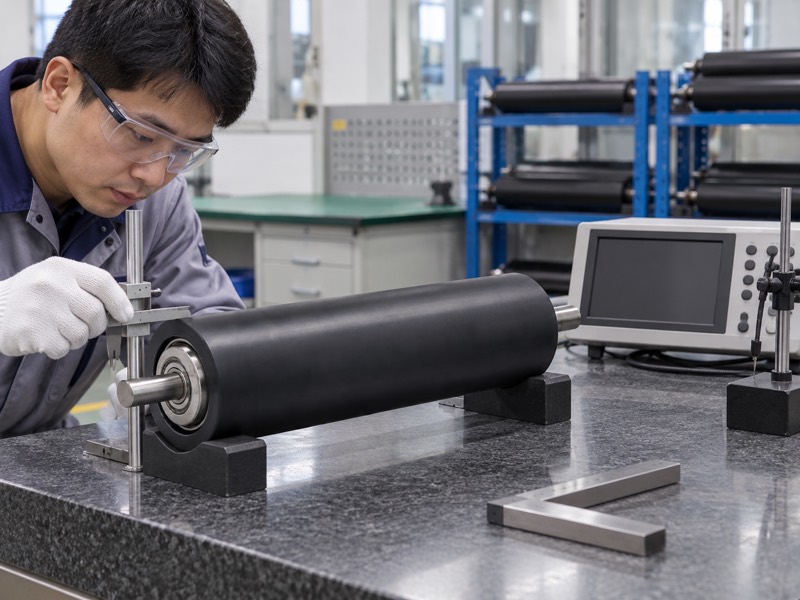
Translate site requirements into testable properties
Ask your specialist what must be verified. Surface behavior, assembly conductivity and installed grounding answer different questions. State applicable limits and test conditions before requesting supplier evidence. A colored shell or general safety claim cannot replace relevant measurements.
- Identify electrical and fire requirements for your location.
- Request evidence for exact grade and complete construction.
- Confirm installation responsibilities for bonding or grounding.
Keep approval scopes separate
A roller may pass dimensional checks yet remain unapproved for an electrical requirement. A test record should identify what was tested and under which conditions. Record any approval limits clearly so a purchasing substitution does not bypass site requirements.
| Approval area | Required evidence | Does not replace |
|---|---|---|
| Electrical property | Relevant product results | Mechanical review |
| Installed grounding | Site verification | Material identification |
| Mechanical duty | Load and fit checks | Hazardous-service approval |
Have the appropriate site reviewer approve substitutions involving required electrical properties. Key Takeaway: Specify and verify electrical suitability separately from HDPE or UHMW-PE material selection.
8. How do you confirm interchangeable dimensions?
Confirm interchangeability by comparing hdpe conveyor rollers and alternatives against an approved dimensional drawing. Matching nominal diameter does not establish identical shaft ends, length or clearances. Your replacement must fit mounting seats and maintain intended belt-support geometry.
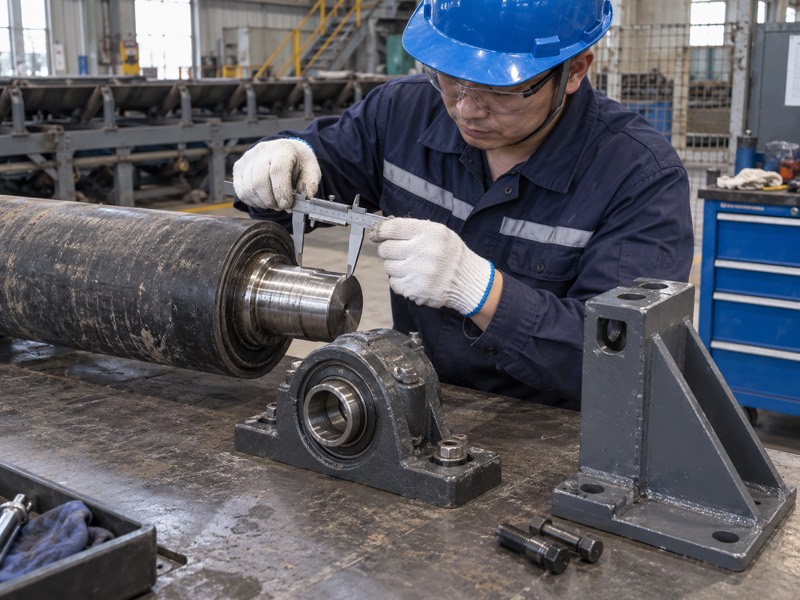
Measure undamaged interfaces
Use the frame as a fit reference. A worn roller may no longer represent original dimensions. Check bracket openings and shaft seats, then reconcile those observations with approved drawings. Record working-face length separately from overall shaft length and confirm dimensional units.
- Specify flats, slots, grooves or other retention features.
- Check guard clearance and adjacent component spacing.
- Record drawing revision and tolerance requirements.
Approve a sample before substitution
Trial fit should confirm seating, retention and free rotation without improvised modifications. Any change in outside diameter can alter contact height or belt behavior. Ask your conveyor engineer to approve such changes before accepting a production batch.
| Fit item | What it controls | Verification |
|---|---|---|
| Shaft-end geometry | Bracket interface | Gauge or trial fit |
| Working-face length | Support coverage | Drawing inspection |
| Outside diameter | Belt contact geometry | Measured approval |
Treat dimensional equivalence as a documented engineering decision. Key Takeaway: Approve complete replacement geometry, including shaft ends and clearance, before calling rollers interchangeable.
9. How should HDPE conveyor rollers be trialed?
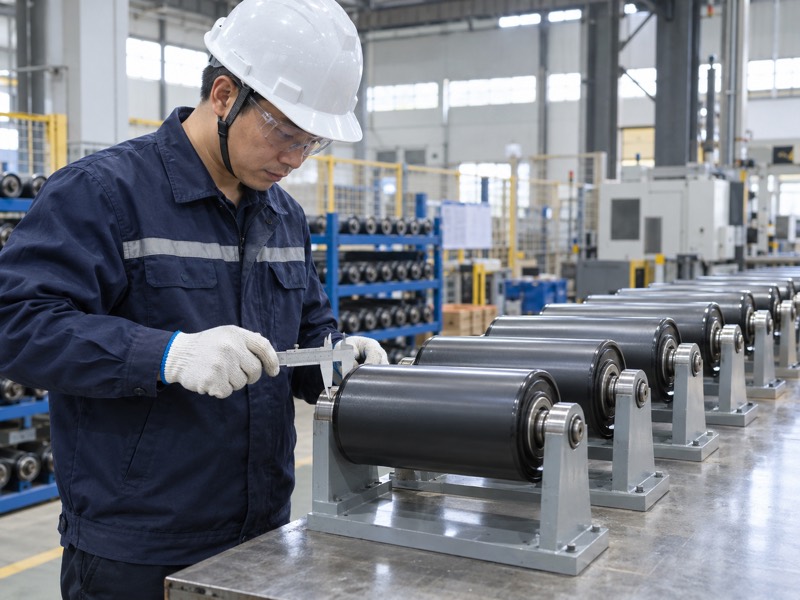
Trial hdpe conveyor rollers and UHMW-PE alternatives using defined positions, documented operating conditions and agreed inspection criteria. Record entire assembly differences. Otherwise, results may be attributed incorrectly to polymer grade alone.
Agree what the trial must answer
Connect observations with your purchase decision. If corrosion caused previous replacements, inspect exposed metal components alongside shells. If deposits caused trouble, record buildup and cleaning effort. Include load, temperature and material changes so your team can interpret outcomes honestly.
- Photograph shell and belt conditions before installation.
- Log operating hours and any maintenance interventions.
- Record removal reasons for every candidate sample.
Avoid premature cost conclusions
A short trial cannot establish lifetime savings or a universal wear ratio. Compare observed maintenance work and quoted costs over a stated period. Where evidence remains incomplete, recommend continued evaluation rather than creating a precise forecast.
| Trial objective | Measurement | Decision boundary |
|---|---|---|
| Fit | Installation checks | Current frame only |
| Deposit behavior | Repeatable observations | Recorded material conditions |
| Wear | Surface inspection | Observed duration |
Extend purchasing only when your trial addresses the intended replacement problem. Key Takeaway: Use recorded local service results instead of unsupported material-performance multipliers.
10. What should a polymer roller inquiry specify?
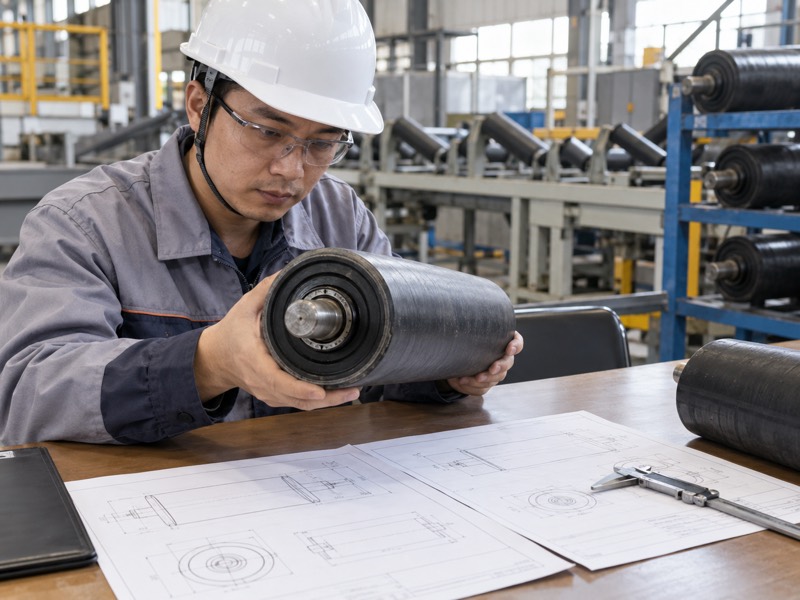
A polymer roller inquiry should specify grade, construction, dimensions and operating duty rather than request hdpe conveyor rollers under a generic name. Confirm which material the supplier actually offers. XINYONGDUO’s UHMW roller product scope should be reviewed separately from any HDPE requirement.
Provide a clear comparison request
Name the alternative you want reviewed. Send your current drawing and explain whether a UHMW-PE proposal may be considered alongside specified HDPE. Include load, speed, temperature and environmental exposure. Ask for deviations and supporting information before approving a substitution.
- State material requirements and permitted alternatives.
- Include sample inspection and trial expectations.
- Request written confirmation of proposed supply scope.
Release an unambiguous order
| Inquiry item | Confirmation needed | Purchasing action |
|---|---|---|
| Material | Proposed grade | Approve or reject substitution |
| Construction | Complete drawing | Review assembly fit |
| Duty | Stated operating limits | Approve trial scope |
Key Takeaway: Request a confirmed polymer and assembly specification before comparing prices or accepting alternatives. Send your drawing, requested material, belt duty and exposure details. Contact us for a XINYONGDUO UHMW-PE roller review and confirmation of proposed supply scope. A material substitution should proceed through explicit technical approval before production.
FAQ
Q1: Can I identify HDPE or UHMW-PE by color? No. Request material documentation tied to supplied construction. Color alone cannot establish grade or performance.
Q2: What’s the best polymer for abrasive material? It depends on grade, construction and actual exposure. Compare relevant test evidence and a defined field trial before selecting.
Q3: Can I reuse a steel roller’s load rating? No. Review the polymer assembly’s shell, shaft, bearings, support span and temperature conditions using its own rating basis.
Q4: How do I know whether a supplier offers HDPE? Ask for written scope confirmation and material specifications. A UHMW product page does not establish an HDPE supply capability.
Q5: Can a polymer roller solve persistent carryback? It may change deposit behavior, but cleaning and return geometry still need review. Trial the proposed surface under actual material conditions.