
GFRP rock bolt creep testing can establish time-dependent behavior only for identified specimens, assemblies, and conditions. Civil-anchor research cannot automatically qualify underground mine roof support. When a supplier submits a long-term claim, separate measured evidence from extrapolation. This guide interprets test methods and evidence limits. An inquiry about gfrp rock bolt creep testing should identify exactly which product and mining application require qualification.
1. What does GFRP rock bolt creep testing measure?
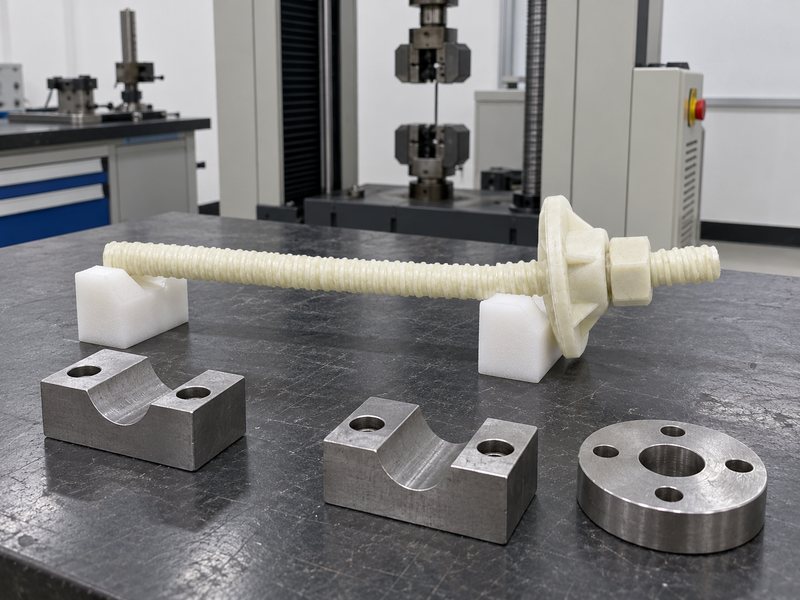
GFRP rock bolt creep testing measures a time-dependent response under defined loading and environmental conditions. Depending on the setup, that response may include material strain, assembly displacement, or changing force. These are different measured quantities. Identify what the instruments actually observe before interpreting a creep claim.
Which technical question should come first?
Decide whether the inquiry concerns the composite bar or an anchored assembly. For bar-only creep rupture, review FRP bar test scope before applying concrete-reinforcement evidence to mine support. A report carrying the word anchor may concern a different construction system. Read its specimen description before accepting its title as evidence of mining relevance.
- Name the measured quantity and units.
- Identify material-only or assembly scope.
- State the intended qualification question.
Define the object being tested. Ask your engineer to distinguish a bar-material study from evidence for a complete mining support product.
Which measurement supports which question?
| Measurement | Question addressed |
|---|---|
| Material strain | Response within the instrumented bar region |
| Assembly displacement | Movement across included components and interfaces |
| Load change | Force response under stated restraint conditions |
A supplier should preserve these distinctions when translating a research report into a claim about proposed goods. Any summary supplied to procurement should retain the test object and application rather than shorten both into generic GFRP performance.
2. Why do anti-floating anchor studies need a scope limit?
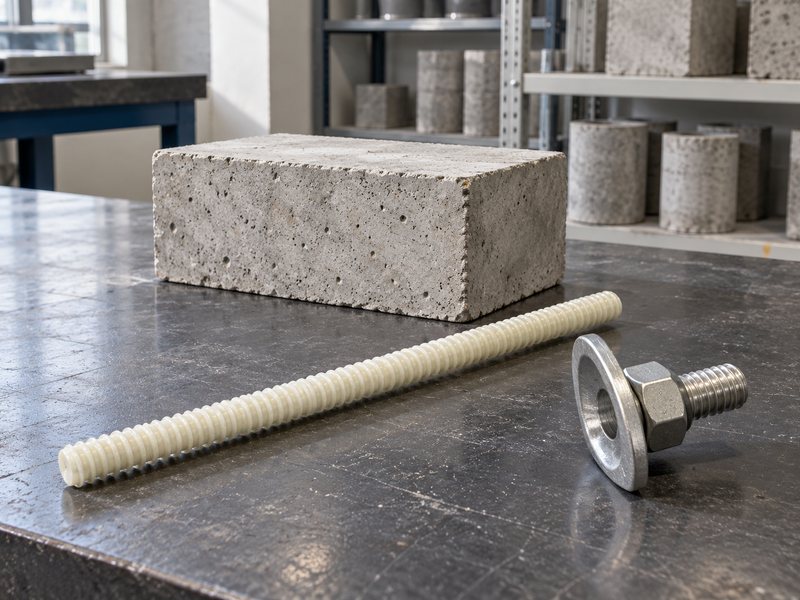
Anti-floating anchor studies need a scope limit because their application and assembly can differ from mine support. The primary full-scale study informing this review concerns large-diameter civil anti-floating anchors. It contributes questions about sustained-load response and interface behavior. It does not establish underground roof-bolt certification or product life.
What can be transferred responsibly?
Use the study to understand report structure, measured quantities, and potential interpretation issues. Do not copy its load threshold into a mining specification. Compare assembly components only after identifying the actual proposed mining system. A shared GFRP material label does not remove application differences.
- Identify the original civil application.
- Separate methodological insight from product qualification.
- Document differences requiring engineering evidence.
Transfer the question carefully. Treat civil-anchor evidence as a method reference until mining relevance has been justified separately.
Which transfer is defensible?
| Proposed transfer | Evidence boundary |
|---|---|
| Measurement concept | Useful with stated setup differences |
| Report interpretation question | Useful for evaluating evidence quality |
| Mining acceptance threshold | Requires independent application justification |
The original study's results remain attached to its tested civil system rather than becoming universal limits for GFRP bolts. Identify the original application directly within the evidence summary so later readers cannot mistake civil research for mining qualification.
3. How should the actual GFRP specimen be identified?
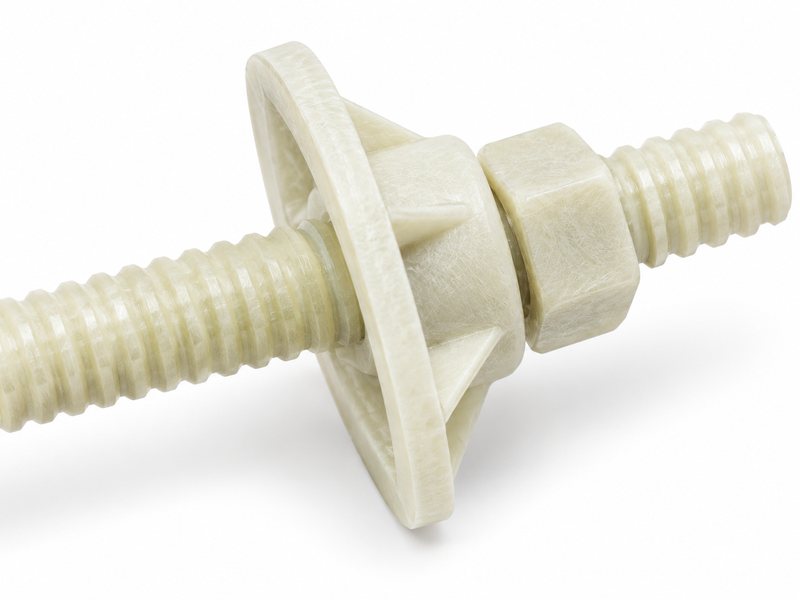
The actual specimen should be identified through construction, geometry, surface form, and traceable product records. A GFRP product listing cannot establish identity with a published research specimen. Different composite constructions may require separate evidence. Record drawing revision and sample origin wherever available.
Which details affect applicability review?
Request the documented material system without inventing its composition. Identify bar dimensions and any threaded or bonded ends. Ask whether samples represent the proposed product or a research prototype. Keep unsupported material equivalence out of the acceptance record.
- Identify tested product and sample source.
- Record geometry and surface configuration.
- Distinguish prototype evidence from supplied-product evidence.
Match the specimen before the result. Request clarification when a report's product identity differs from the goods under quotation.
Which identity record serves which purpose?
| Record | Review purpose |
|---|---|
| Product and drawing reference | Identifies proposed construction |
| Sample origin | Connects evidence with tested goods |
| Surface and end configuration | Defines relevant contact conditions |
Even a detailed report may have limited purchasing relevance when its specimen cannot be connected with the proposed product. A research result without a traceable product relationship may guide further questions while remaining insufficient for product-specific acceptance.
4. How can interface slip affect measured displacement?
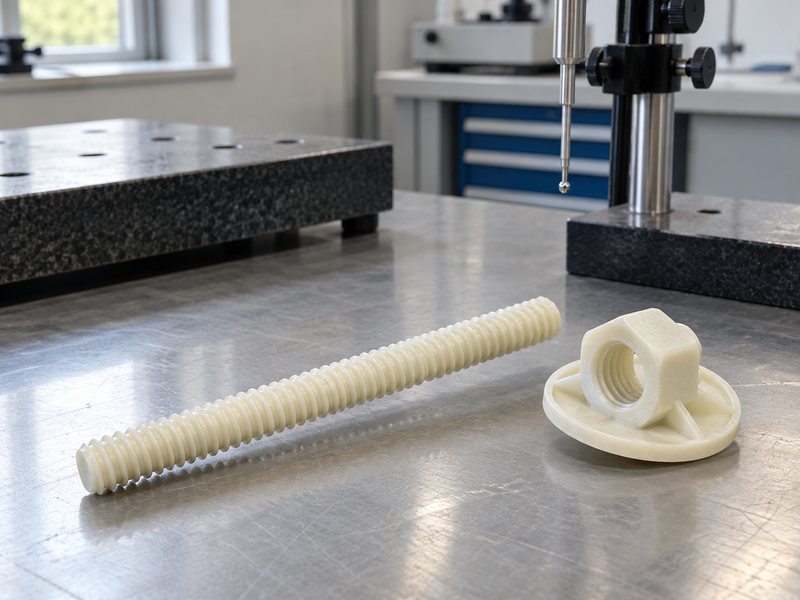
Interface slip can enter an assembly displacement reading when movement occurs outside the instrumented bar material. Full-scale civil-anchor research includes interface-related behavior. A total movement record should therefore identify its measurement span. Do not assign all measured displacement to composite material creep automatically.
Which interfaces should be mapped?
Sketch the bar, anchoring medium, end fixtures, and reference points. Include plate components only when they actually form part of the evaluated assembly. Separate observed slip from an inferred explanation. Ask how investigators distinguished bar response from interface movement.
- Identify every interface inside the measurement span.
- Record reference positions and included lengths.
- State which contributions were measured independently.
Locate where movement occurred. Request evidence that separates material response from interface and fixture contributions where that distinction affects acceptance.
Which displacement description is appropriate?
| Description | Evidence required |
|---|---|
| Bar strain | Defined instrumented material region |
| Interface movement | Relative measurement across the interface |
| Total assembly movement | Defined endpoints and included components |
A careful report can describe combined movement without pretending that every contributing mechanism has been isolated. Where independent measurements are unavailable, preserve the combined scope instead of assigning movement to a single material mechanism.
5. What should sustained-load level and history describe?
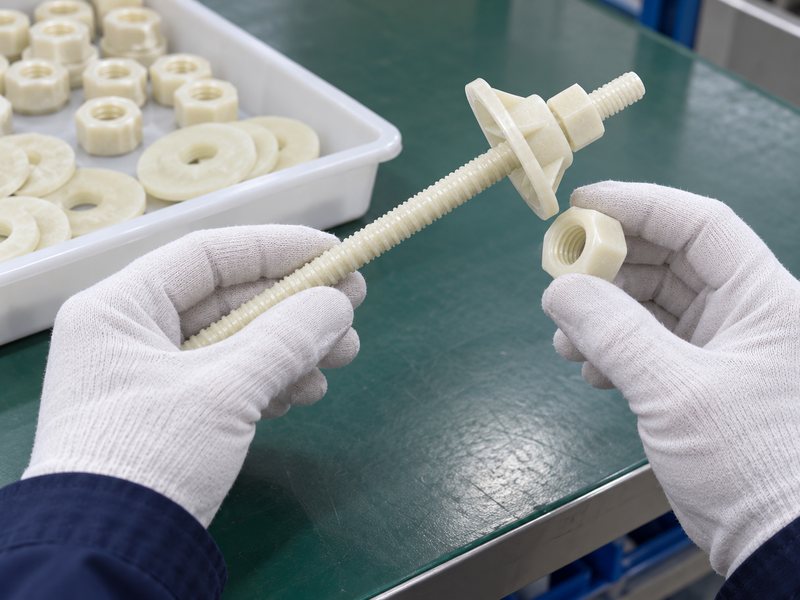
Sustained-load level and history should describe what the specimen actually experienced during observation. A GFRP evidence submission should identify its load basis and control mode. A percentage without a defined reference strength is ambiguous. Avoid importing another study's load fraction into your acceptance criteria.
Which history details belong in a report?
Identify loading stages, interruptions, adjustments, and observation start. Ask whether force was maintained actively or changed under restraint. Preserve early records even when later analysis uses a selected interval. Responsible engineers should set application-relevant criteria separately from descriptive research results.
- Define the reference behind any load fraction.
- Record changes and interruptions.
- Distinguish measured force from nominal target.
Read the complete loading history. Ask whether a reported trend includes any change in control condition.
Which load statement needs clarification?
| Statement | Question to resolve |
|---|---|
| Percentage of strength | Which strength value and specimen basis? |
| Constant-load observation | How was load maintained and recorded? |
| Staged loading | Which interval supports each conclusion? |
A loading label becomes useful only when its reference and actual implementation remain visible to the reviewer. Changing the reference strength can change a reported fraction even when the actual applied load remains identical.
6. Why do temperature and exposure conditions matter?
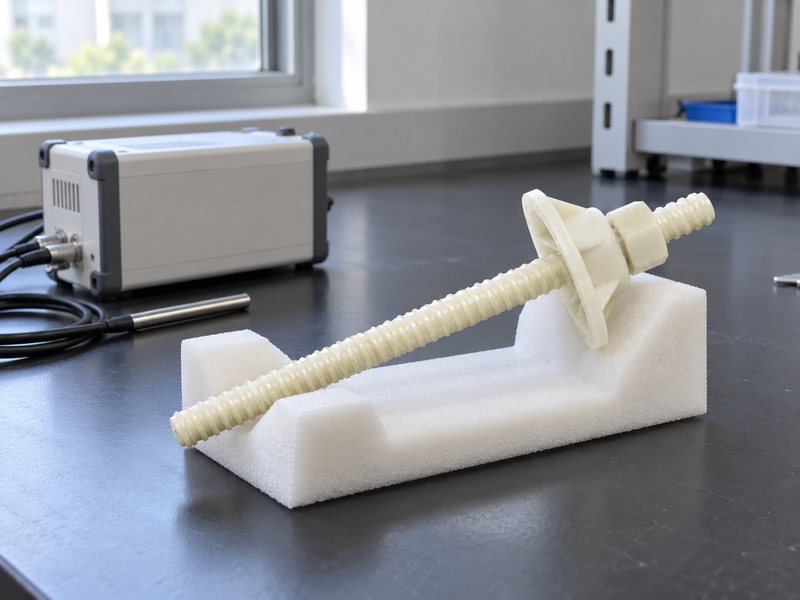
Temperature and exposure conditions matter because applicability depends on the conditions represented by evidence. Highway-slope research examined material creep and temperature effects within a civil application. Those findings do not establish behavior in every underground mine environment. Record environmental scope without borrowing unverified numerical limits.
What should suppliers disclose?
Ask which conditions were controlled, measured, or unrepresented. Identify whether the full assembly experienced the same environment. Keep product-specific exposure claims separate from broad statements about GFRP. An engineer should assess any proposed transfer between laboratory and intended service conditions.
- Record monitored conditions and locations.
- Identify exposure duration within the report.
- State untested environmental differences.
Keep environment inside the evidence boundary. Request additional justification where a long-term claim extends beyond tested conditions.
Which condition statement is supported?
| Condition status | Meaning |
|---|---|
| Controlled | Maintained within documented test conditions |
| Recorded | Observed at identified locations |
| Unrepresented | Outside the direct evidence scope |
A material's general reputation cannot replace product-specific evidence for the environment relevant to a particular mine. Keep documented environmental scope beside long-term claims so a reader can see where direct supporting evidence stops.
7. What can time-response models legitimately predict?
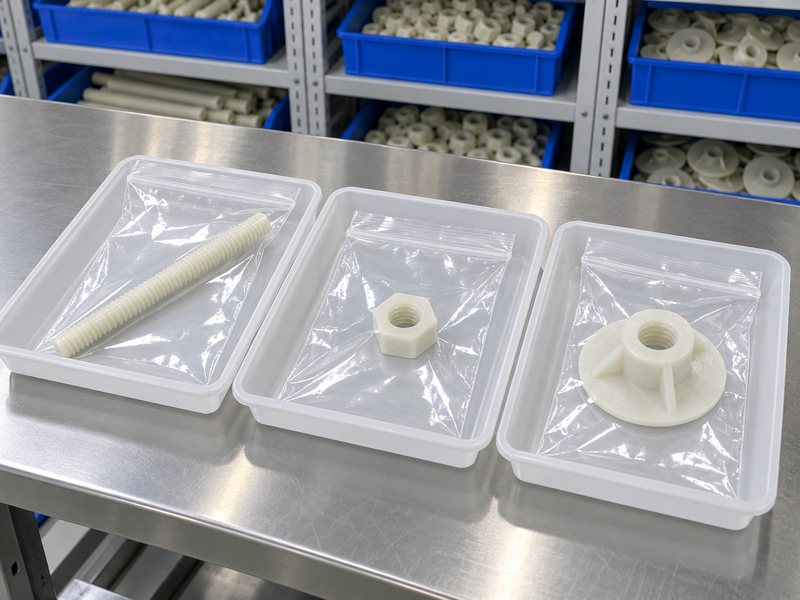
Time-response models can predict behavior only within justified assumptions and a stated application domain. A GFRP sustained-load review should distinguish fitted data from independent validation. A model name does not establish product lifetime. Extrapolation beyond observation requires explicit engineering reasoning.
Which model information should be available?
Request the data interval, selected formulation, parameters, and validation approach. Ask whether modeled response concerns material or assembly movement. Identify alternative mechanisms that the model does not represent. Keep predicted duration separate from actual measurement duration.
- Distinguish observation, fitting, and prediction.
- Identify the modeled response quantity.
- State validation and extrapolation limits.
Read the model's domain. Ask engineering whether its assumptions match the proposed product and decision before using a prediction commercially.
Which model statement needs which support?
| Statement | Evidence required |
|---|---|
| Fits observed data | Defined fitting interval and method |
| Predicts independent response | Relevant validation evidence |
| Supports service-duration decision | Application-specific justification and uncertainty |
A longer prediction should never be presented as an equally long experiment or an established product service life. Any extrapolation used in procurement should identify who accepted its assumptions and which application boundary limits that acceptance.
8. How should reports from different applications be compared?
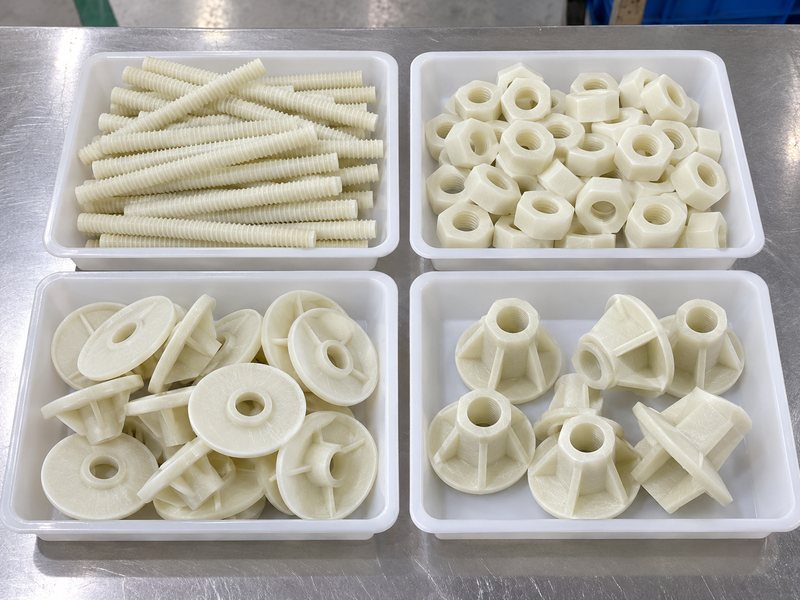
Reports from different applications should be compared through scope and method before results. A material study, highway-slope investigation, and anti-floating anchor test answer different questions. They may provide complementary information. They do not become interchangeable mining qualification evidence when placed in one folder.
Which comparison fields prevent confusion?
Record application, specimen, interfaces, loading control, environment, and observation duration. Identify what each report directly measured. Mark any proposed transfer as an engineering interpretation. Keep incompatible methods visible instead of combining their results into one score.
- Classify each report by tested object.
- List represented and missing conditions.
- Separate direct evidence from proposed transfer.
Build a scope comparison. Ask which report answers your actual mining requirement and which only helps frame further testing.
Which evidence class serves which purpose?
| Evidence class | Appropriate use |
|---|---|
| Material study | Defined composite response |
| Civil anchor study | Defined civil assembly and method insight |
| Relevant mining qualification | Evidence for the identified mining requirement |
A submission can contain useful research while still leaving the principal mining qualification question unanswered. A comparison should identify each report’s useful contribution while retaining the mining evidence gap as a separate unresolved item.
9. What should a mining procurement request require?
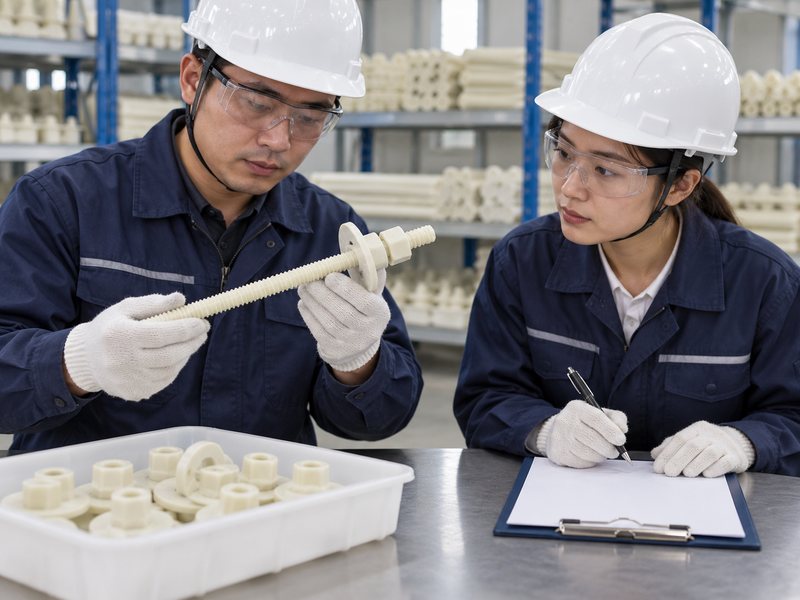
A mining procurement request should require evidence for the actual product, loading duty, and applicable approval requirements. A GFRP bolt inquiry should state that civil studies alone do not establish mining acceptance. Ask suppliers to identify limitations explicitly. Avoid accepting generic long-life language in place of qualification.
Which documents help responsible reviewers?
Request controlled product descriptions, relevant test reports, and an applicability statement. Ask which parts of the assembly were evaluated. Have responsible engineers determine any further evidence needed under current site requirements. Keep qualification decisions separate from availability or commercial interest.
- Define the mining application and required evidence.
- Identify material and assembly boundaries.
- Record gaps and review responsibility.
Request mining relevance explicitly. Make conditional acceptance visible whenever submitted research does not cover the proposed duty.
Which evidence gap needs action?
| Gap | Appropriate next step |
|---|---|
| Unidentified product | Obtain traceable specimen and drawing details |
| Civil-only evidence | Review mining applicability and additional needs |
| Unsupported lifetime claim | Request a qualified basis or remove the claim |
A supplier's willingness to quote should remain separate from an engineer's conclusion that qualification evidence is sufficient. Additional testing should address the missing mining requirement rather than repeat a convenient civil method without reviewing its relevance.
10. How should you decide what further testing is needed?
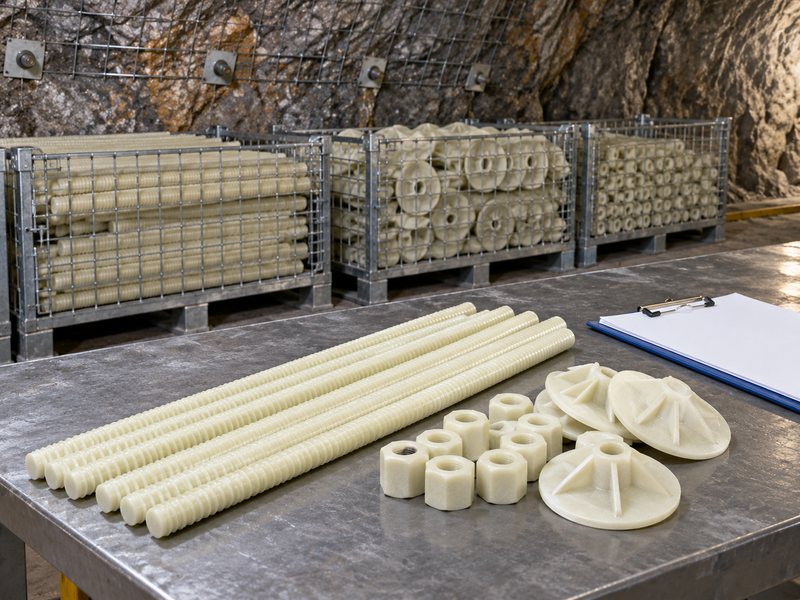
Further testing should address a defined evidence gap that affects an actual engineering decision. Do not repeat civil research merely to accumulate documents. Identify the missing property, configuration, or condition. Responsible engineers should select methods and acceptance requirements for the intended mining application.
What should your next technical discussion contain?
Provide proposed product identity, support duty, available reports, and unresolved transfer assumptions. Ask which measurement would distinguish the remaining explanations. Record limitations within any provisional decision. Keep unsupported mining certification and lifetime claims out of procurement documents.
- State the missing evidence precisely.
- Assign method selection to qualified reviewers.
- Connect new work with a decision criterion.
| Closure check | Action to retain |
|---|---|
| 1 | State the missing evidence precisely. |
| 2 | Assign method selection to qualified reviewers. |
| 3 | Connect new work with a decision criterion. |
Test the unanswered question. Share your product documents and mining qualification needs when you contact us. Request relevant evidence without treating civil-anchor findings as proof of underground roof-support performance.
Q1: Can an anti-floating anchor study qualify a mine roof bolt?
No automatic qualification follows. Its application, assembly, and conditions require a separate mining applicability review.
Q2: Does measured assembly movement equal GFRP material creep?
Not necessarily. Interface slip, fixtures, and other included components can contribute within the measurement span.
Q3: Can a fitted model establish product lifetime?
No. Prediction requires justified assumptions, validation, and application-specific evidence beyond the model name.
Q4: Should I copy a published sustained-load threshold?
Do not transfer it automatically. Responsible engineers must establish criteria relevant to the actual product and mining duty.
Q5: What is the most useful supplier disclosure?
A clear applicability statement helps. It should identify tested products, represented conditions, and requirements that remain unsupported.